Practical guide
What a useful return-operations report should show
Measure the work a team can act on without confusing return events with downstream outcomes.
Reviewed Read moreConnect the physical removal of materials to an accountable operations record.
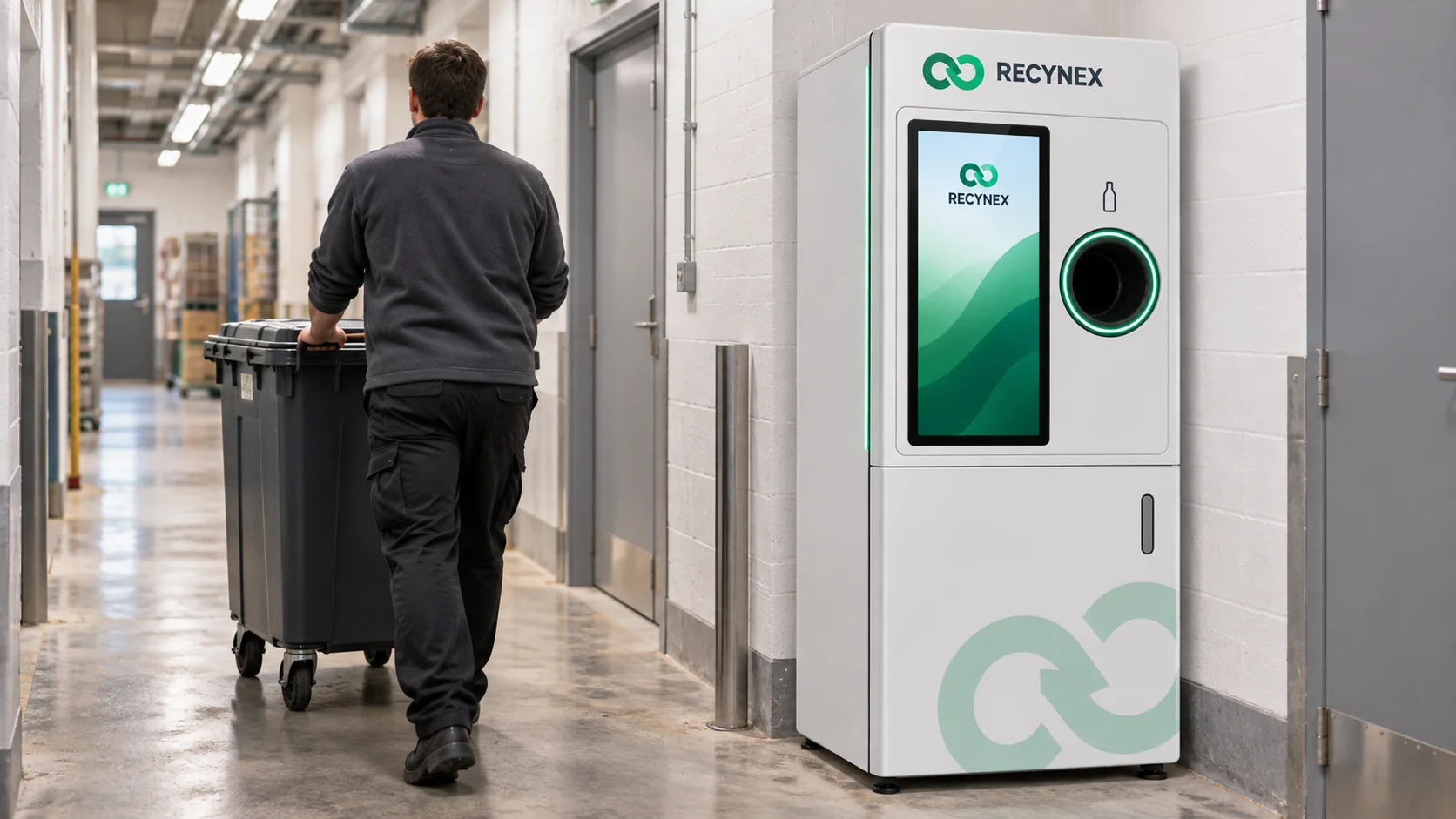
Connect the physical removal of materials to an accountable operations record.
At collection, capture site, equipment, operator, time, container or batch reference and any exception. Agree how the receiving party confirms the handover. A machine counter and a collection receipt answer different questions.
Plan for a partially full container, contaminated stream, damaged bag or failed scan. Give staff a way to record why the standard route was interrupted without rewriting history.
Show collected counts or weights only when measured in the specified workflow. Downstream recycling and environmental outcomes require separate evidence from the responsible processor.
Record the station or container ID, seal or batch reference where applicable, removal time, person handing over, receiving party and any discrepancy. If a collection was scheduled but not completed, keep the open task visible and define who rearranges it. A machine-level item count and a downstream weight may differ for legitimate reasons; note the units and measurement points instead of forcing them to match.
The route that looks easy on a plan may cross a busy lobby, a locked loading area or a doorway that narrows when a trolley is present. Walk it with the people who will perform the collection. Confirm the access window, where a full container can be staged and what the collector does if the receiving party is absent. If the route cannot be used safely during ordinary opening hours, change the schedule or position before relying on it.
The machine can record what it accepted. A collection log records what left a station. A receiver can record what arrived at the next step. Each may use a different unit and time. Link them with a station and batch reference where the workflow supports it, but do not make one figure masquerade as all three. When a discrepancy appears, preserve the original records and add a resolution note. That history lets the team identify whether the issue came from a missed collection, a damaged container or a reporting definition.
A practical handover sheet does not need dozens of fields. It needs enough to identify the material, the people, the time and the exception. Test the sheet during one real collection and remove fields no one can complete reliably. Then agree who reviews unresolved handovers and how soon they need an answer.
For a project brief, share the collector’s current form or data fields and the proposed removal route. Discuss the service handover or review the reporting guide.
Measure the work a team can act on without confusing return events with downstream outcomes.
Reviewed Read moreSeparate participation, verified equipment events, material handover and downstream outcomes in a brand programme report.
Reviewed Read moreCompare refillable bottle, intact-glass and cullet routes, then define breakage controls, eligible formats and staff handover for a glass return point.
Read moreShare the location, container stream, operating team and systems already in place.