Practical guide
Measure a brand return programme without overstating impact
Separate participation, verified equipment events, material handover and downstream outcomes in a brand programme report.
Reviewed Read morePROJECT GUIDES
Read practical RECYNEX guides to RVM selection, bottles and cans, site planning, software, integration and reporting, with separate attributed industry observations.
START WITH YOUR QUESTION
Follow a practical route from site and packaging choices to an operating plan and a proposal.
Compare container streams, site constraints and the equipment direction before asking for a quote.
Plan placement, staff checks and collection access for the location people will actually use.
Define verified return events, rewards and reporting before linking to another system.
BUYING AND OPERATING GUIDES
Search by topic or browse the complete library. Company observations are attributed readings of public sources.
37 stories
Separate participation, verified equipment events, material handover and downstream outcomes in a brand programme report.
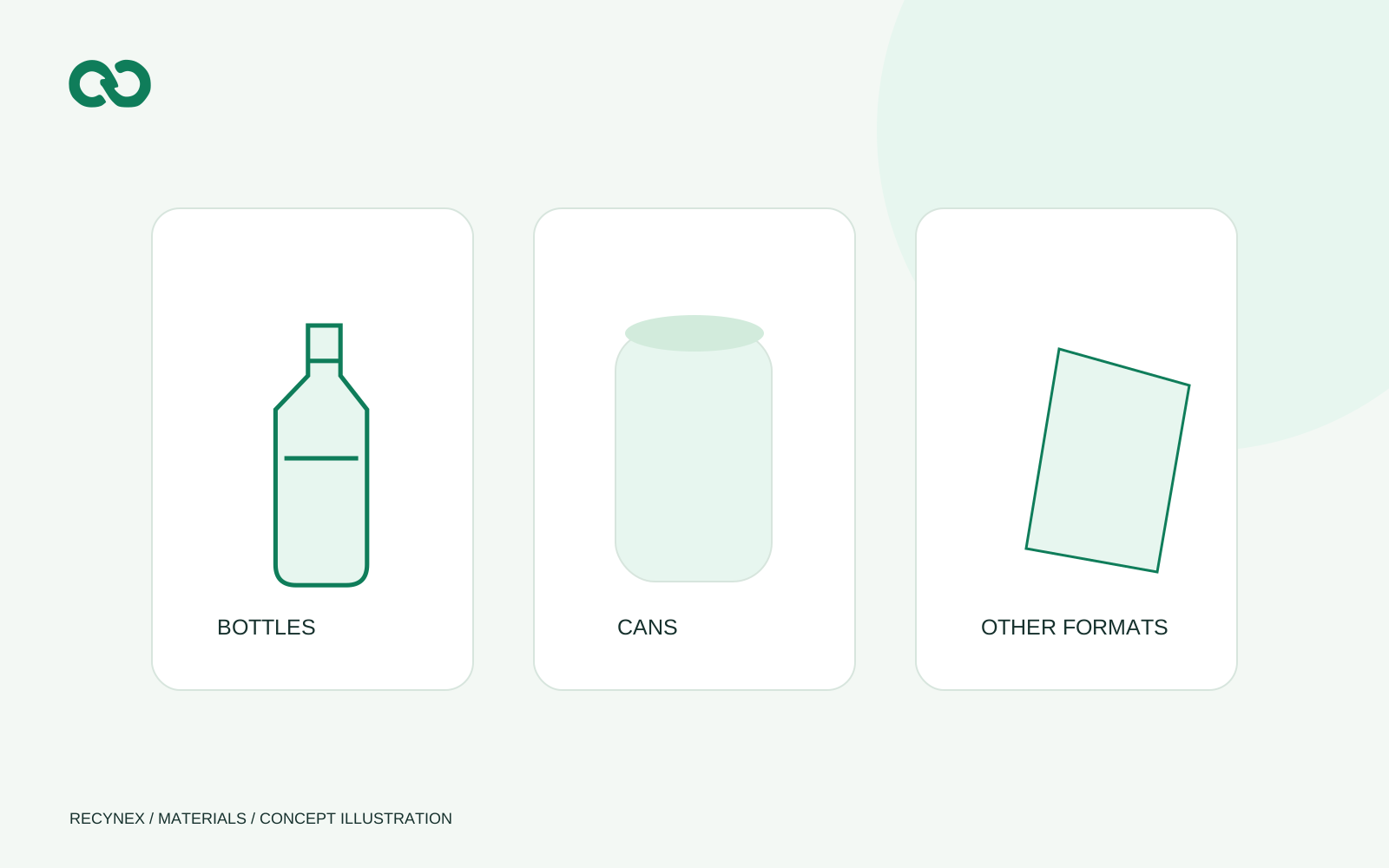
Reviewed Read moreA buyer's method for separating PET, cans, glass and exceptions before selecting intake equipment.
Reviewed Read moreA reading of public packaging priorities, followed by a practical checklist for return-point projects.
Reviewed Read moreUnderstand the different rules, evidence and reconciliation needs behind a deposit refund, a brand-funded reward and a return point with no incentive.
Read moreCompare refillable bottle, intact-glass and cullet routes, then define breakage controls, eligible formats and staff handover for a glass return point.
Read moreTurn one validated return point into a repeatable network plan for equipment, collection, software and service.
Reviewed Read moreDefine queueing, replay, deduplication and reconciliation before connecting return equipment to another system.
Reviewed Read moreAssess weather exposure, utilities, user approach, security and service access before specifying an outdoor bottle and can return point.
Read moreSet sample, site, event and operator acceptance criteria before committing to a wider equipment order.
Reviewed Read moreA practical guide to planning a residential bottle-and-can return point around shared-space access, resident instructions, collection and building management.
Read moreA compact-store buying guide to container eligibility, queue space, staff tasks and collection access before choosing a reverse vending machine.
Read morePlan a supermarket return point around peak queues, store circulation, accepted containers and back-of-house collection rather than a headline throughput figure.
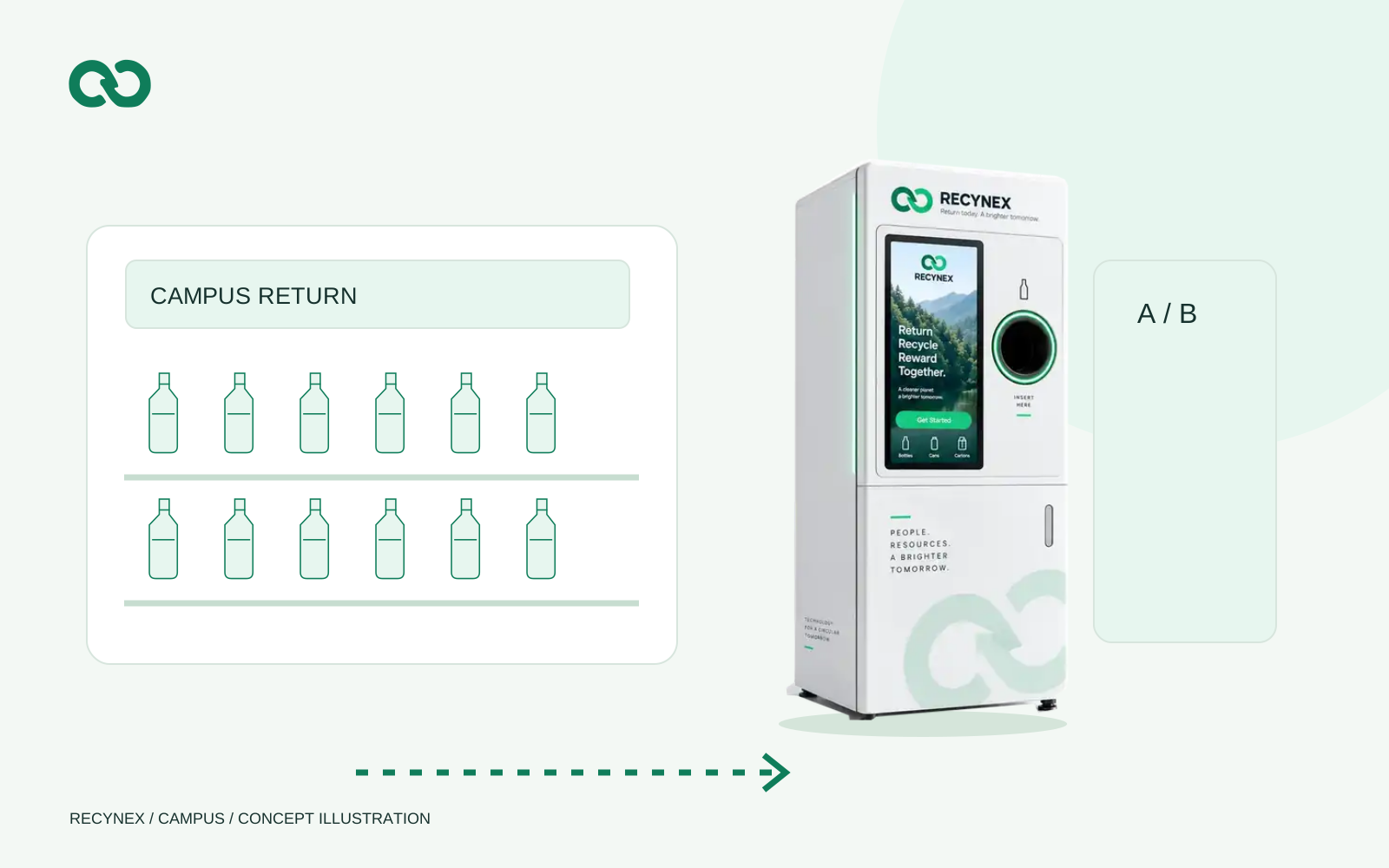
Read morePlan a campus bottle-and-can return point around student journeys, catering packaging, term-time peaks, facilities ownership and accountable collection.
Read moreA practical daily, event-driven and service handover checklist for RVM operators, with clear ownership and records rather than assumed service intervals.
Read moreBuild an RVM request for proposal that compares tested packaging, site fit, software, service, acceptance and commercial exclusions on the same basis.
Read moreDesign the boundary between a physically accepted container, programme eligibility and a reward ledger.
Reviewed Read moreEstimate return-point collection intervals from real container mix, peak demand, storage rules and route ownership rather than a generic machine capacity.
Read moreUnderstand how a reverse vending machine accepts containers, where deposit rules fit, and what a buyer should check before selecting an RVM.
Read moreWhy a beverage return point should not be described as a universal packaging solution.
Reviewed Read moreA packaging portfolio is not an equipment compatibility list. Separate formats, residues and downstream requirements.
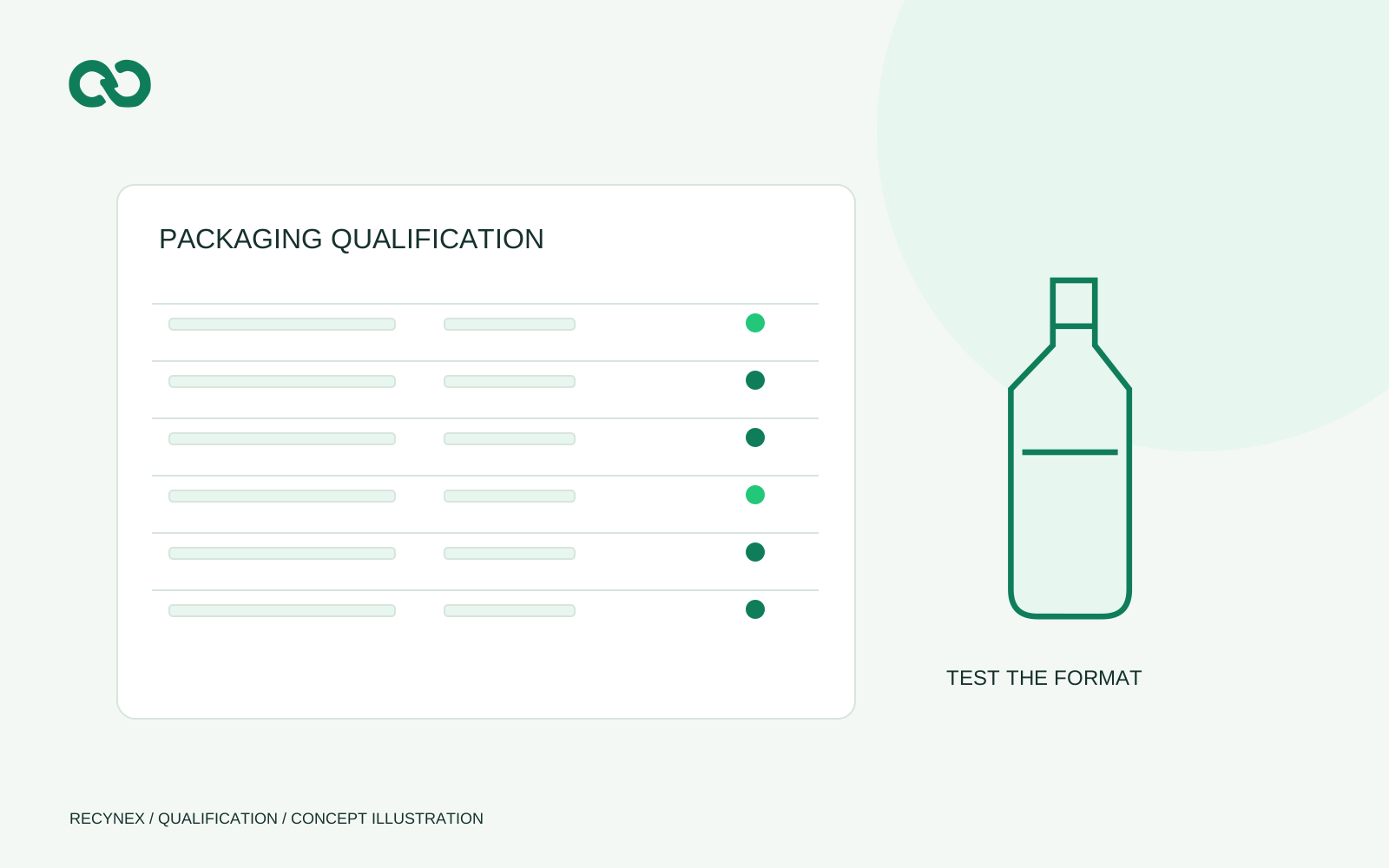
Reviewed Read moreA product-range observation and a practical way to structure bottle qualification.
Reviewed Read morePublic company context and a proposed event-operation checklist, not a customer announcement.
Reviewed Read moreA planning checklist covering the user approach, service clearance, power, network and collection handover.
Reviewed Read moreA proposed event model that keeps UI feedback separate from the physical event and the reward ledger.
Reviewed Read moreA RECYNEX design note on the white cabinet, green circular-link mark and a calmer interface language.
Reviewed Read moreMake a return network more reliable by assigning each signal to a clear next step.
Reviewed Read moreAlign packaging rules, customer experience, reward accounting and campaign reporting.
Reviewed Read moreCompare RVMs using your container stream, floor space, collection routine, software needs and supplier scope—not a single headline capacity claim.
Reviewed Read moreConnect the physical removal of materials to an accountable operations record.
Reviewed Read moreSeparate the equipment, subscription, integration and service scopes so a quotation can be compared.
Reviewed Read moreA practical starting point for connecting return equipment to an operator system.
Reviewed Read moreCompare compact and standard RECYNEX configurations around the actual visitor and service flow.
Reviewed Read morePrepare site staff for the visitor journey, collection, cleaning and escalation.
Reviewed Read moreBuild an evidence-based acceptance list for the containers your project wants to collect.
Reviewed Read moreUnderstand the cost lines in an RVM project: selected equipment, site work, software, integrations, installation, training, collection and ongoing support.
Reviewed Read moreMeasure the work a team can act on without confusing return events with downstream outcomes.
Reviewed Read moreA practical walk-through of location, access, utilities and daily operation before equipment configuration.
Reviewed Read moreNo matching stories. Try another search.
Start with the question your team needs to answer: which packaging qualifies, which machine fits the site, how people will collect material, or how an accepted return reaches another system. Our guides give you a working method and a next step. Company observations use attributed public information and do not represent RECYNEX customer cases.
| Your decision | Start here |
|---|---|
| Choose a store format | Convenience-store return points or supermarket return points |
| Qualify a specialist location or material | Outdoor site planning or glass bottle return systems |
| Define the operating model | Maintenance responsibilities and collection frequency |
| Prepare a programme or purchase | Deposit versus reward rules and the RVM tender specification |
Share the location, container stream, operating team and systems already in place.