Practical guide
Outdoor Reverse Vending Machine Site Planning
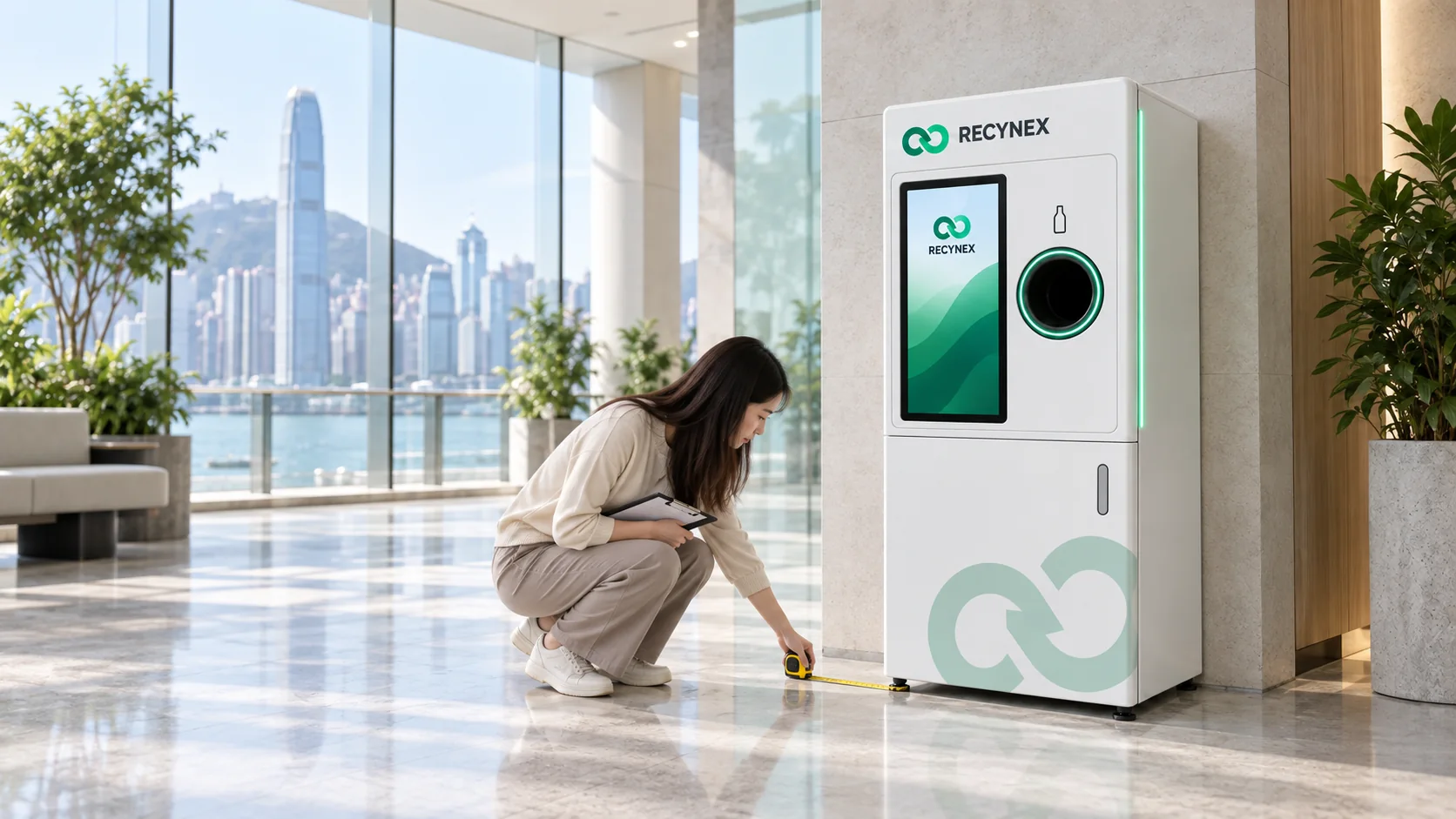
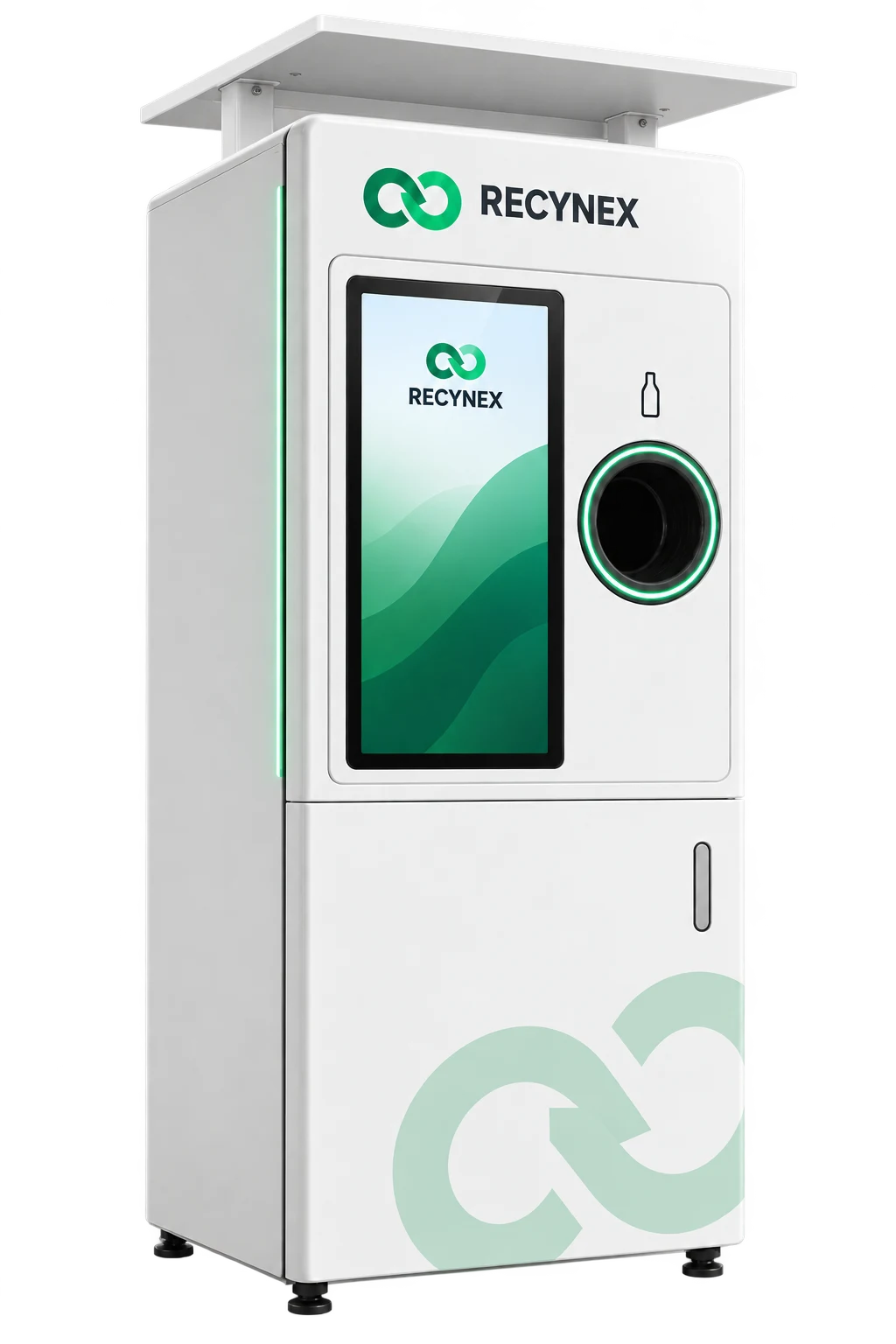
Assess weather exposure, utilities, user approach, security and service access before specifying an outdoor bottle and can return point.
Read moreA practical guide to planning a residential bottle-and-can return point around shared-space access, resident instructions, collection and building management.
An apartment building can place a return point close to the people who use it regularly. That convenience only works if the station fits the building’s shared space and its collection routine. Residents may use it outside office hours; the person responsible for a full container may not be on site then. Begin with those operating facts before choosing a cabinet or promising a reward.
Is access limited to residents, open to neighbouring visitors or shared with commercial tenants? The answer changes expected packaging, signage, security and collection frequency. Ask building management which spaces are permitted for a return point and which routes must stay clear. A prominent lobby position can be unsuitable if it blocks circulation or makes collection disruptive to residents.
Write an accepted-packaging list from actual samples and the receiver’s requirements. Household bottles, beverage bottles and refillable containers should not be treated as one stream simply because all are found in a home. If some items are excluded, provide a clear next step so they do not accumulate beside the machine.
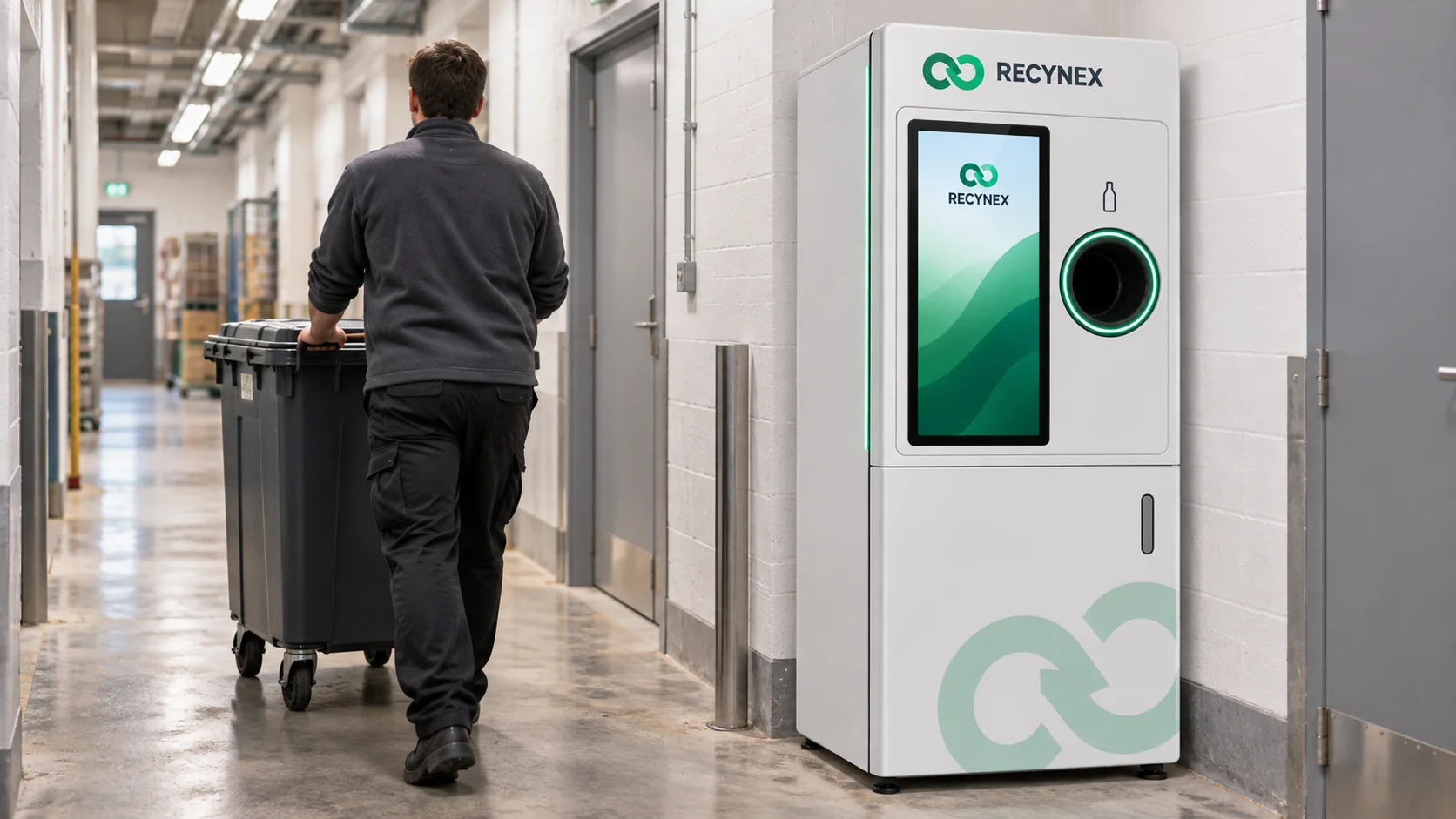
Observe how a person would carry several containers to the proposed location. Is the entrance accessible at the times residents return home? Can another person pass while someone uses the intake? Are instructions readable and does a rejected item have a safe place to be removed? Then follow the operator’s route from the service opening to the loading or collection point with a full container in mind.
| Building decision | Evidence to collect | Owner to involve |
|---|---|---|
| Shared-space position | Floor plan, circulation and accessibility review | Building management |
| Eligible containers | Resident samples and receiver rules | Programme and collection owners |
| Service access | Door swing, storage and removal route | Facilities and collector |
| Out-of-hours response | Staff coverage and closure message | Building operator |
| Incentive, if any | Approved rules and ledger owner | Programme sponsor |
Agree who performs opening or shift checks, removes material, cleans spills and reports misuse. A residential point may be unattended for long periods, so define what happens when storage is full or the intake is unavailable. RECYNEX Cloud can be scoped to surface status and tasks, but an alert needs a person with access to the equipment and an agreed response window.
Where collection is performed by a contractor, state how that person enters the property, how the exchanged container is identified and who confirms handover. A digital “task complete” mark does not prove material left the building. The collection handover guide outlines a compact record that the next shift can check.
Some residential programmes may use a reward; others only need an accountable material collection. Do not require residents to create an account unless the programme’s benefit or reporting genuinely needs one. If an incentive is offered, identify the sponsor, eligibility rule, verified acceptance event and correction route. A recognition animation is not authority to issue value. The deposit-versus-reward guide helps separate those decisions.
For reporting, distinguish accepted containers, material removed from the building and downstream processing. A building manager can use the first two to improve operations, but a public recycling claim needs separate evidence from the receiver. Make the time window and included stations clear in any resident update.
Choose a building with realistic resident use and staff coverage. Record the formats residents bring, when the point fills, the number of interventions and whether the collection route works during ordinary shifts. Ask residents and staff what instructions were unclear. A pilot should result in an approved location and operating plan, a bounded change and retest, or a decision to stop—not just a photograph of installed equipment.
Send the building plan, candidate position, access hours, sample containers and collection arrangement when you discuss a residential return point. The public-space solution shows how site, equipment and service decisions fit together.
Assess weather exposure, utilities, user approach, security and service access before specifying an outdoor bottle and can return point.
Read moreA compact-store buying guide to container eligibility, queue space, staff tasks and collection access before choosing a reverse vending machine.
Read morePlan a campus bottle-and-can return point around student journeys, catering packaging, term-time peaks, facilities ownership and accountable collection.
Read moreShare the location, container stream, operating team and systems already in place.