Practical guide
Reverse Vending Machines for Apartment Buildings
A practical guide to planning a residential bottle-and-can return point around shared-space access, resident instructions, collection and building management.
Read moreA product-range observation and a practical way to structure bottle qualification.
Independent reading of public company information. This is not a customer case study, endorsement or partnership announcement.
Nongfu Spring’s official site lists water, tea, coffee, functional drinks, juice and other product categories. A brand-level label therefore does not identify one container specification.
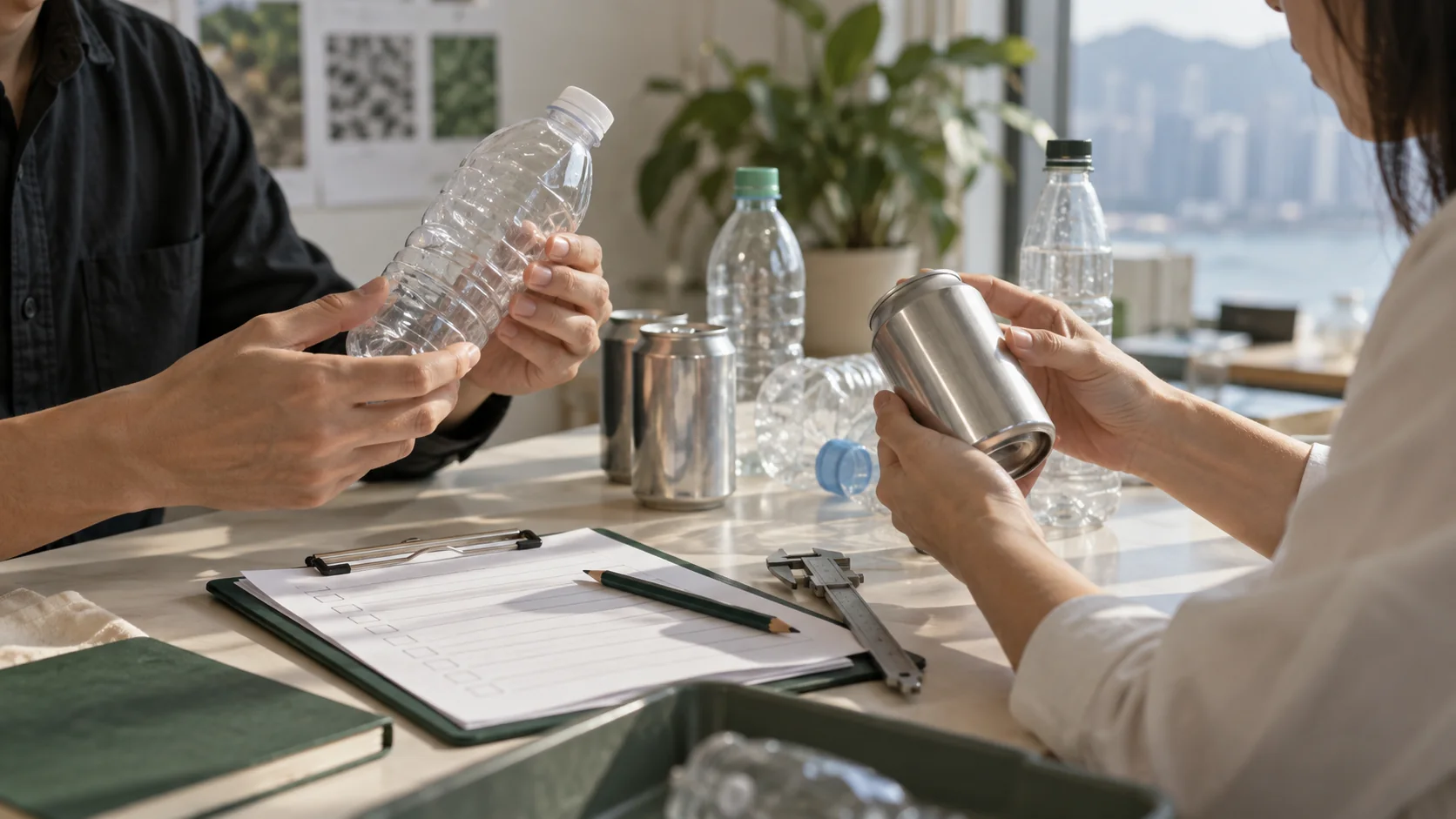
For a proposed beverage-container project, identify each physical format with photos, dimensions, barcode variants and label states. Record the intended material route separately. Treat a packaging revision as a new qualification task when it changes recognition or mechanical handling, even if the brand and product name remain familiar.
Include the sample conditions the project reasonably expects: rotated labels, surface moisture, partial deformation and unreadable codes. Record acceptance, rejection and uncertainty rather than forcing every sample into a positive result. Separate laboratory outcomes from field acceptance until the installation has been tested.
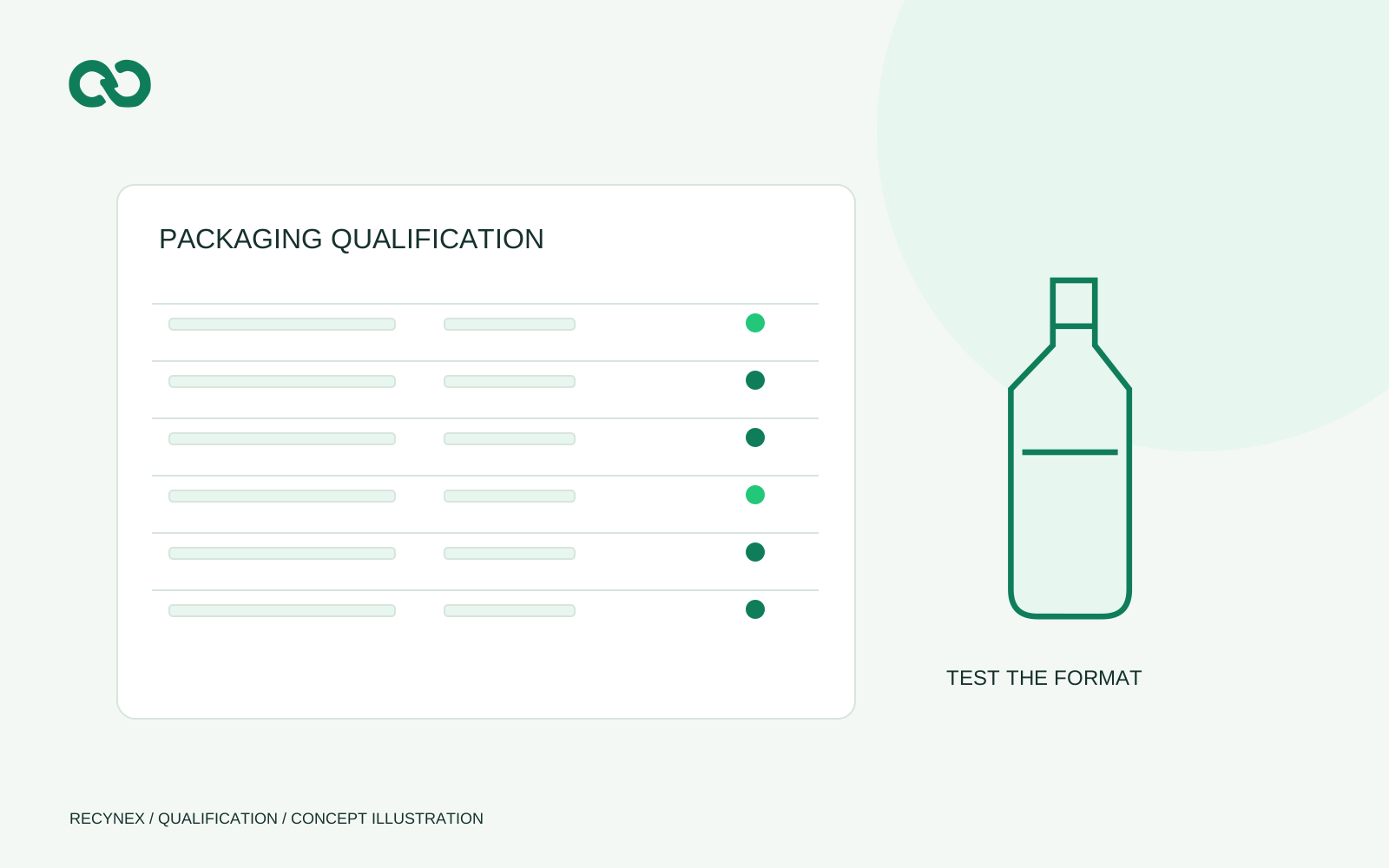
Create a versioned acceptance table that operators and participants can actually use. It should identify the tested format, result, test conditions and approval owner. This article proposes a method; it does not report a Nongfu Spring deployment or a verified compatibility list.
A project list should distinguish bottle size, neck and shoulder shape, label artwork, barcode placement and expected condition at return. Test lookalike exclusions as well as eligible items. Record whether recognition succeeded and whether physical handling completed; both are needed before a format moves to the approved list.
A visitor may recognise a label family more readily than a precise package specification. If a programme accepts only selected formats, the sign and screen must say so in terms a visitor can use. A broad brand name on a poster can invite returns that were never tested. During a pilot, note which rejected formats people bring and whether the instruction explains the difference. Use those observations to improve the message, not to assume the machine should accept every product in the portfolio.
When artwork or bottle geometry changes, record the new sample as a new test case with an effective rule version. The programme owner can then decide whether to add it, keep it excluded or provide a different return route. That is a controlled change, not evidence of a RECYNEX relationship with the company discussed here.
The cited company information supplies packaging context only. It does not show a RECYNEX deployment or validated compatibility. Use the qualification worksheet and discuss a sample assessment for your actual formats.
A practical guide to planning a residential bottle-and-can return point around shared-space access, resident instructions, collection and building management.
Read moreSeparate participation, verified equipment events, material handover and downstream outcomes in a brand programme report.
Reviewed Read moreUnderstand the different rules, evidence and reconciliation needs behind a deposit refund, a brand-funded reward and a return point with no incentive.
Read moreShare the location, container stream, operating team and systems already in place.