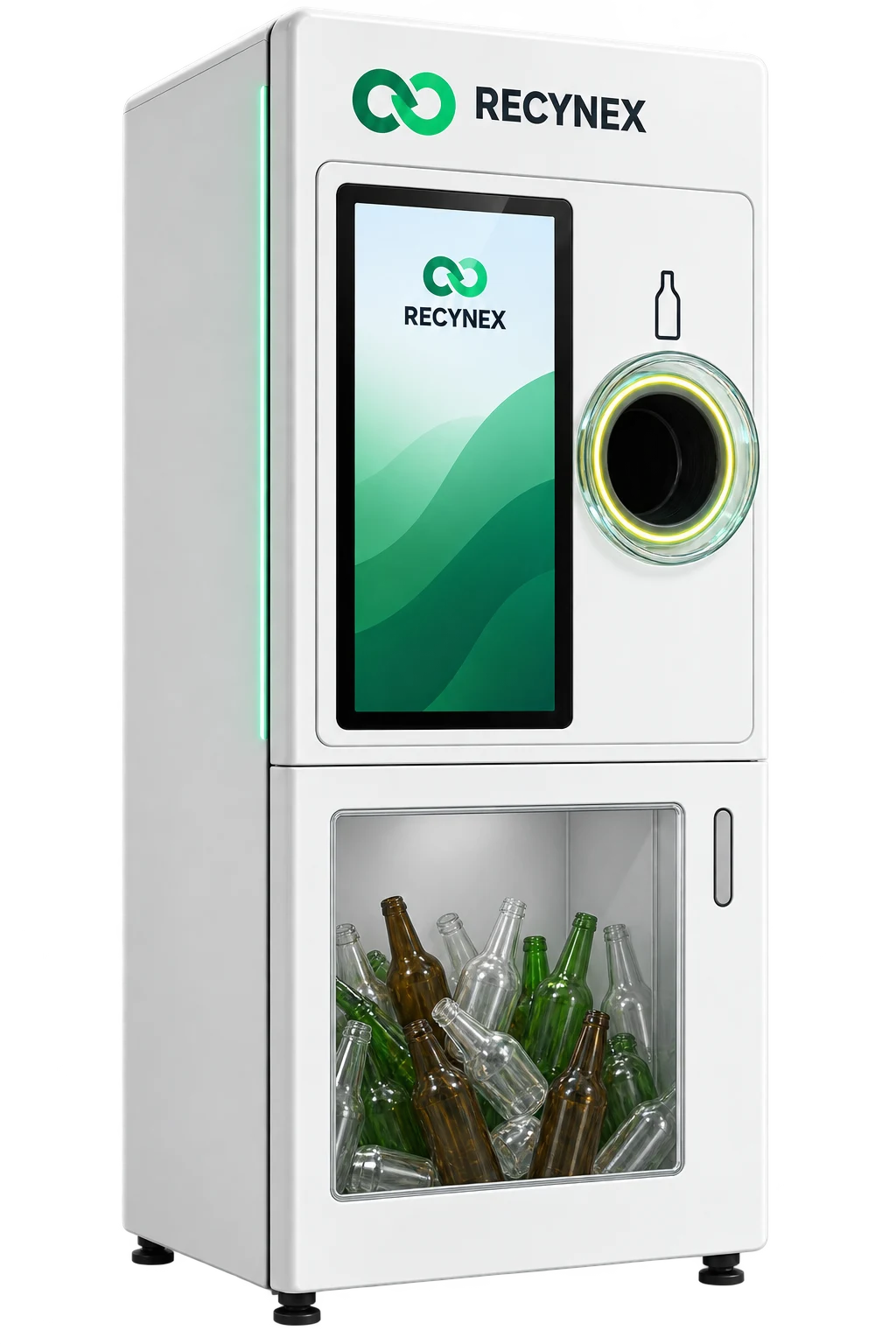
An undamaged bottle can still be rejected because it is outside the programme, its identification cannot be read, or the return point cannot currently accept it. Check those three conditions separately before treating the problem as a sensor fault. This guide proposes an operating checklist; it does not override a deposit scheme or equipment service manual.
Check the programme before the machine
Re-turn’s consumer guidance for Ireland describes returning empty, undamaged containers and provides a barcode checker for scheme eligibility. Those instructions apply to that scheme, not every bottle-return project. A similar-looking bottle purchased in another market may have a different registration status. Check the actual programme record rather than accepting appearance as proof.
Ask the participant to retain the container. Record the rejection message and the time, without collecting their contact details. Where the programme offers a public checker, use it to distinguish an unregistered identifier from a registered item that the machine cannot read.
Use a short decision table
| Observation |
Operator check |
Next step |
| One container fails, others pass |
Approved identifier and readable label |
Follow the displayed retry instruction; escalate persistent failures |
| Several different approved formats fail |
Displayed status and collection availability |
Follow the approved operating procedure |
| No clear reason appears |
Exact message, time and device reference |
Open a service record with those observations |
Do not place fingers or tools inside the intake, bypass an interlock or open a service compartment unless the manufacturer authorizes that task for the role. A participant retry is different from a maintenance intervention.
Keep evidence useful
For recurring failures, retain a sample identifier, label photograph where permitted, rule-list version and outcome. Compare a known approved sample under the same operating conditions. If the acceptance list changed recently, ask the programme owner whether the device received the intended version. Do not broaden acceptance just to make a troublesome sample pass.
Questions operators are asked
Does a readable barcode guarantee acceptance? No. Registration, physical condition and the approved intake scope still matter.
Should staff promise a refund after a rejection? Follow the scheme’s actual return and exception procedure. A rejection record is not evidence that a payable return was completed.
Use the RECYNEX retail planning page to define operating roles, and discuss the required acceptance scope on the One equipment page.