
SECTOR SOLUTION
Reverse vending that fits the retail floor.
Plan a bottle-and-can return point for a convenience store or retailer. Check floor space, customer flow, collection access and daily staff responsibilities.
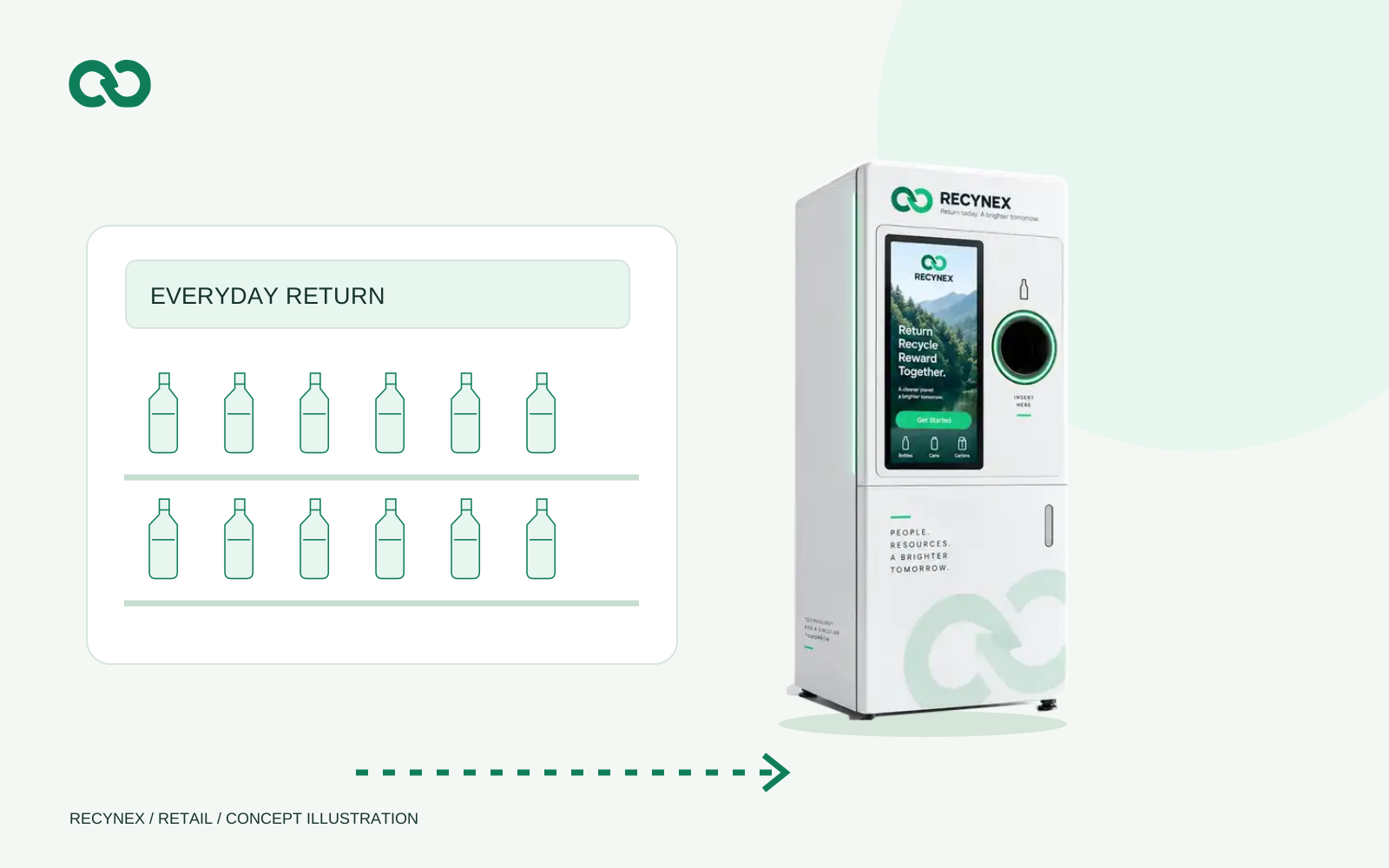
PROJECT WORKFLOW
Decisions to make before installation.
Place
Position the return point on a natural path without blocking checkout or circulation.
Operate
Give accepted-packaging guidance before the customer begins.
Verify
Define how store staff handle a full bin, a rejected item and a service request.
A useful retail return point should help customers act without adding an unplanned job to the checkout team. Put accepted-packaging instructions at the approach, make the return outcome unambiguous and keep collection access away from the queue.
The decision at this site
Walk the customer route at a busy time. Can a visitor spot the station, pause with a container and leave without blocking a door, till or accessibility route? Then walk the staff route with a full collection container. The two paths need to work on the same floor plan. Agree who answers a rejected-item question and who closes the point when it cannot accept returns.
Equipment direction
Mini suits a constrained front-of-house location with a focused stream and frequent staff attention. One is the stronger starting point when the return journey needs more room for instructions and a broader agreed bottle-and-can flow. Compare both against actual samples and the proposed collection interval. The store plan determines service clearance and utility work; the selected configuration determines final dimensions and capacity.
Software and integration
A single site may need only a simple activity record; a chain may need status, collection tasks and exceptions by store. If the retailer has an app, loyalty system or facilities platform, Connect can define the accepted-return event, acknowledgement and recovery path. A screen animation is never the proof of a reward. Match the data to a verified equipment event and the programme’s own eligibility rules.
Service handover
Name the store role for daily checks, the collection partner, the technical escalation owner and the recipient of the material. Include a close-and-reopen procedure for full storage or a fault. Send a store plan, photographs, packaging samples and opening hours with your enquiry so we can return a configuration and test plan. Discuss a retail site, plan a supermarket point or compare Mini and One.
KEEP EXPLORING
Explore other site contexts
See how location and operating model change the project brief.
-
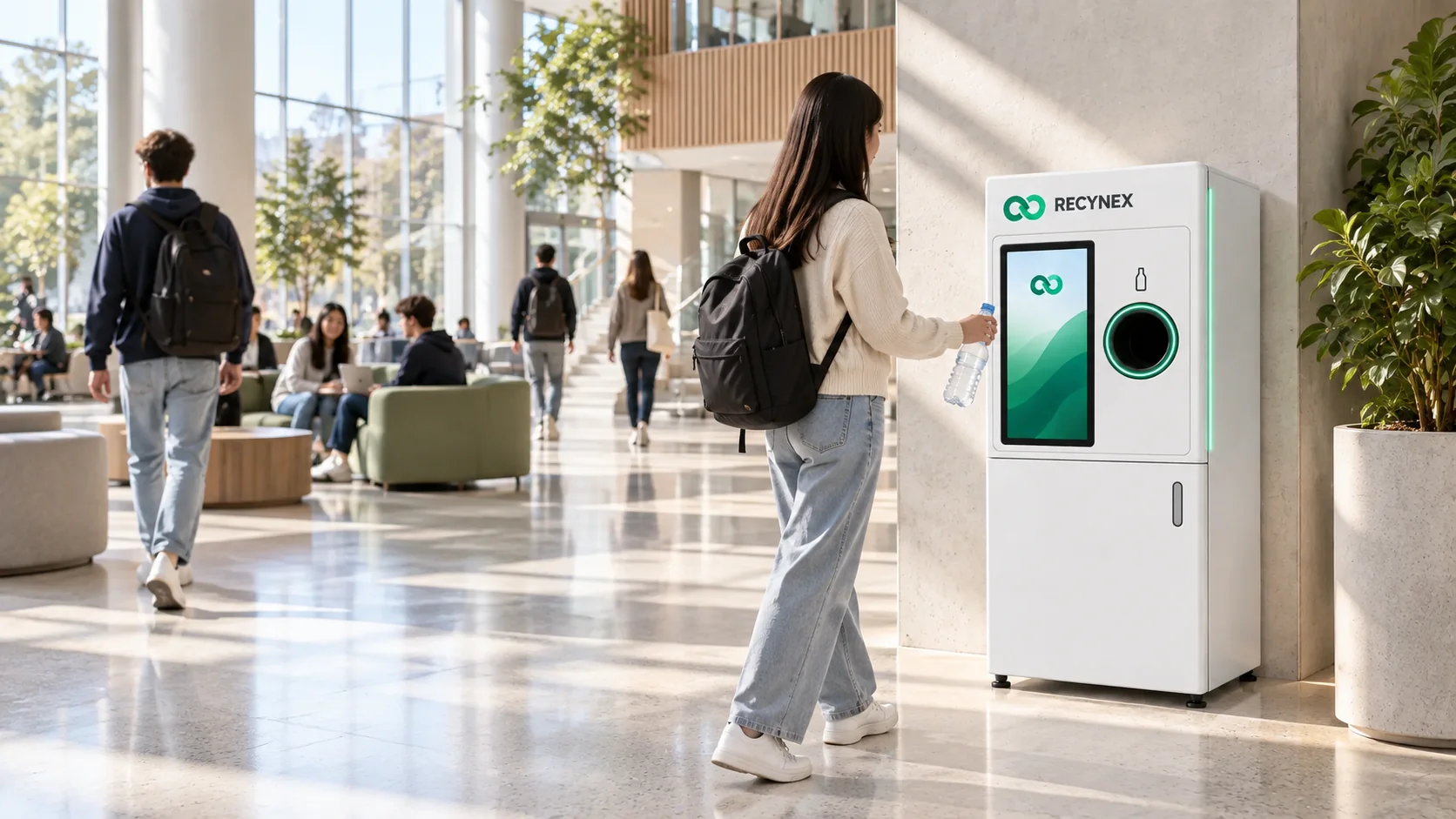
Campuses & workplaces
Connect everyday participation to facilities ownership and collection.
Explore context -
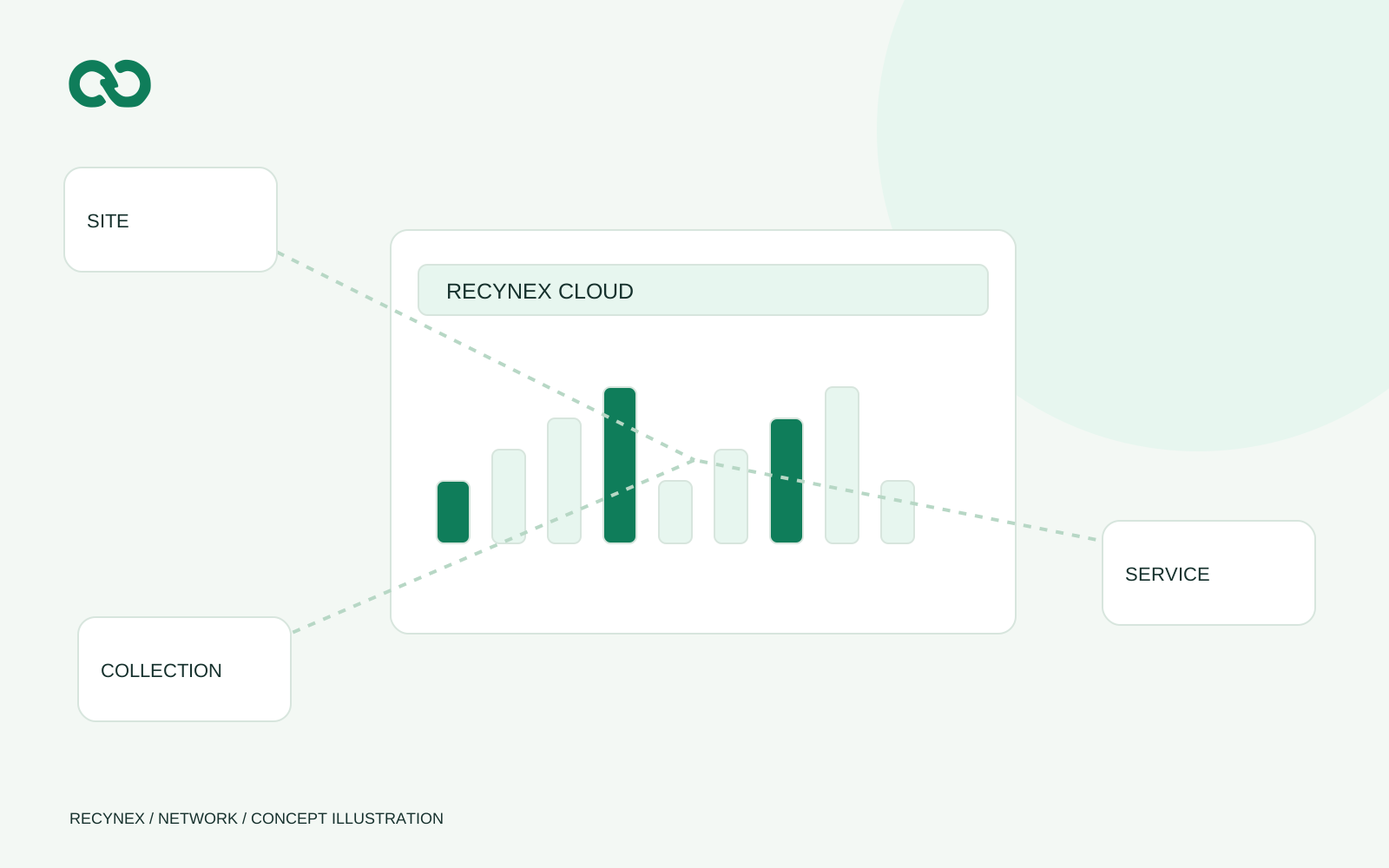
Brands & operators
Plan packaging rules, verified events and roles across sites.
Explore context -
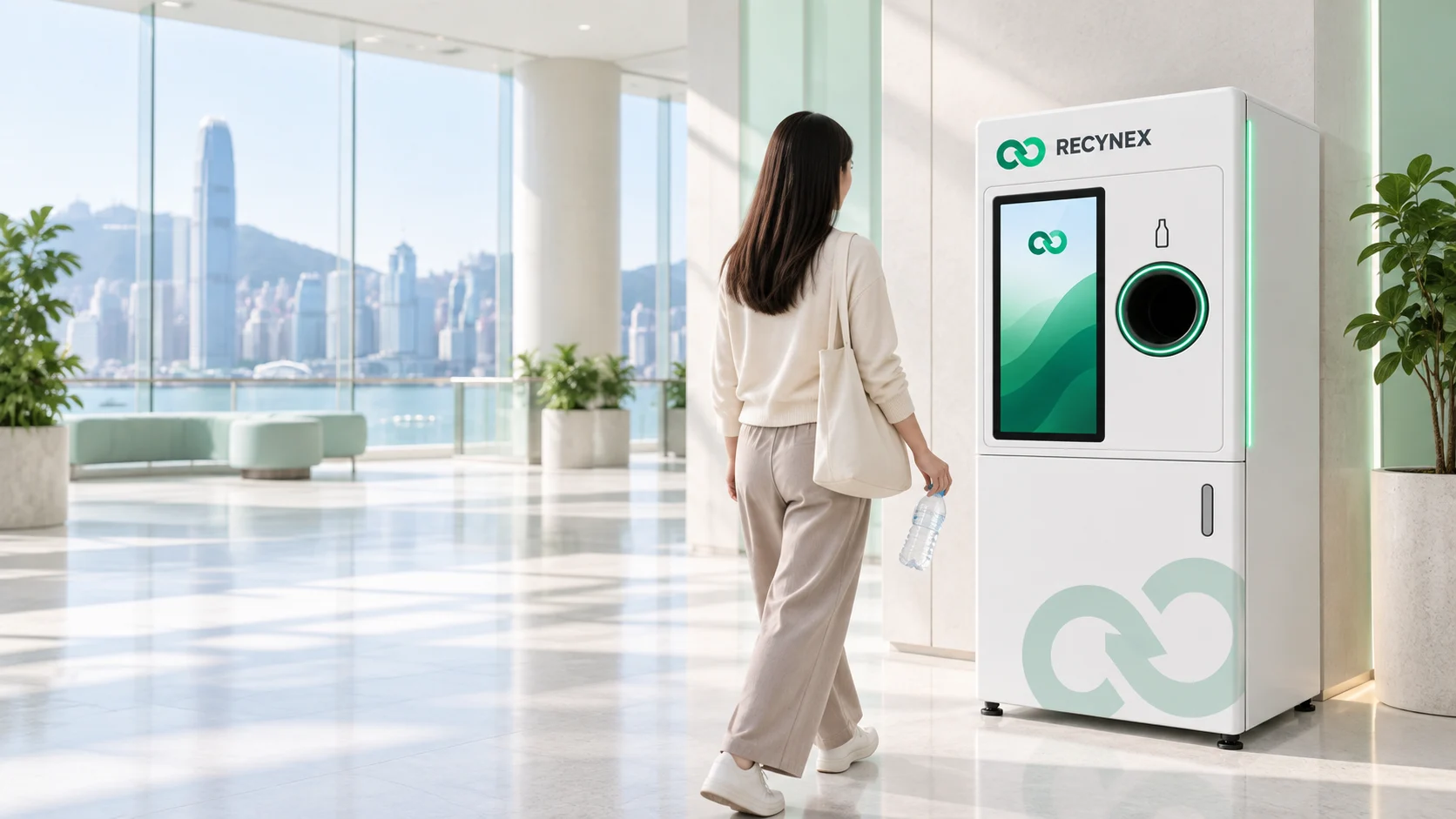
Shopping centres
Fit a return point into visitor wayfinding and facility routines.
Explore context
Turn your site brief into a configuration
Share the location, container stream, operating team and systems already in place.