Practical guide
RVM Collection Frequency Planning
Estimate return-point collection intervals from real container mix, peak demand, storage rules and route ownership rather than a generic machine capacity.
Read morePlan a supermarket return point around peak queues, store circulation, accepted containers and back-of-house collection rather than a headline throughput figure.
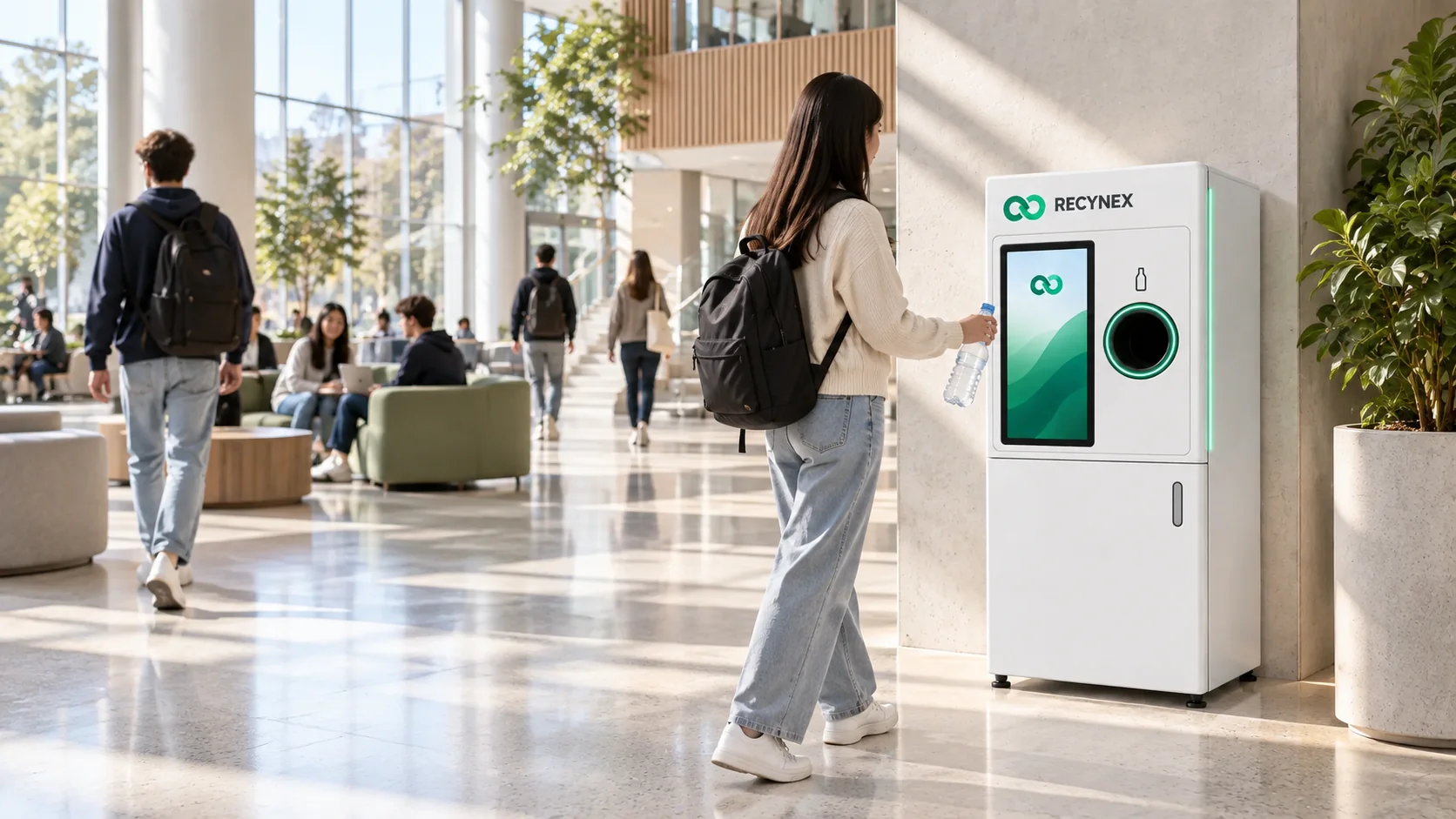
A supermarket return point is part of a larger store operation. Its location changes queues, wayfinding, cleaning, collection and the work of staff who already have other duties. The right equipment proposal should describe those interactions, not only the machine.
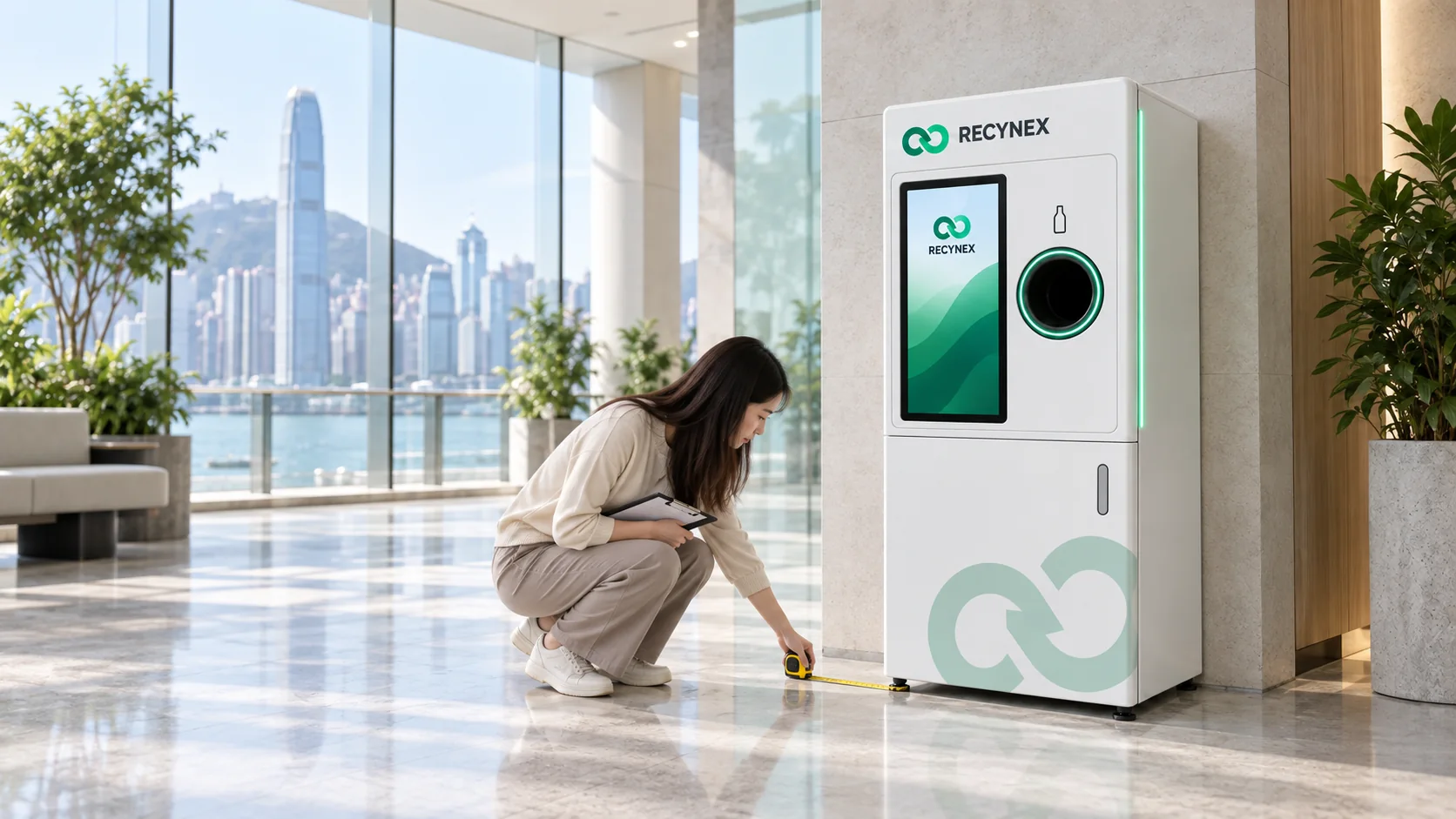
Compare an entrance, a lobby and another approved area using the same site drawing. For each position, mark customer approach, likely waiting space, trolley movement, service-door swing, power and the route to the material holding area. Ask facilities and store operations to review the drawing together. A position with strong visibility may create an unworkable queue or a long collection trip.
Observe when shoppers are most likely to bring containers, the number they carry and how long a rejection or full-storage event interrupts the flow. For a proposed configuration, ask the supplier to state test conditions for intake and storage claims. Run a pilot with representative packaging, not only pristine sample bottles.
Ask the store team to describe the hard hour rather than the average day. An entrance that is calm on a weekday morning may be crowded when shoppers arrive with trolleys and several bags of containers. Watch how people read the instructions, whether they need to sort before joining a queue and where they stand if the first item is rejected. These observations affect signage and staffing as much as equipment selection.
| Operational decision | Confirm before ordering |
|---|---|
| Accepted stream | Programme rules, sample containers and excluded formats |
| Public position | Queue, trolley, accessibility and wayfinding plan |
| Material removal | Storage, safe route, collection frequency and receiving party |
| Exceptions | Who responds, what visitors see and how the event is recorded |
| Digital records | Whether store staff, central operations or a scheme operator needs access |
In a large store, one team may own the customer area, another may remove containers, and a central team may review alerts. Write the handover between them in plain terms. Who may mark a point unavailable? Who responds if the storage is full near closing time? Who confirms that a collector has actually taken the material rather than merely acknowledged a task? A useful operating plan answers these questions before a visitor encounters a closed unit.
If the return point is in a shared mall lobby, add the property manager and cleaning contractor to this conversation. The store’s opening hours may not match the lobby’s, and a collector may need access through an area the retailer does not control. Put each access dependency in the site pack instead of assuming that a single store manager can solve it later.
Name who checks the return point, exchanges storage, cleans contact surfaces and handles rejected or damaged items. Record when material leaves the machine and who receives it. A machine counter, a collection record and a downstream recycling statement represent different stages; do not combine them into one unsupported result. The collection handover guide gives a practical record structure.
RECYNEX One and Max are equipment directions to compare once the stream and collection interval are known. A staffed batch workflow may call for Bulk in a different location; it is not automatically a replacement for a public return point.
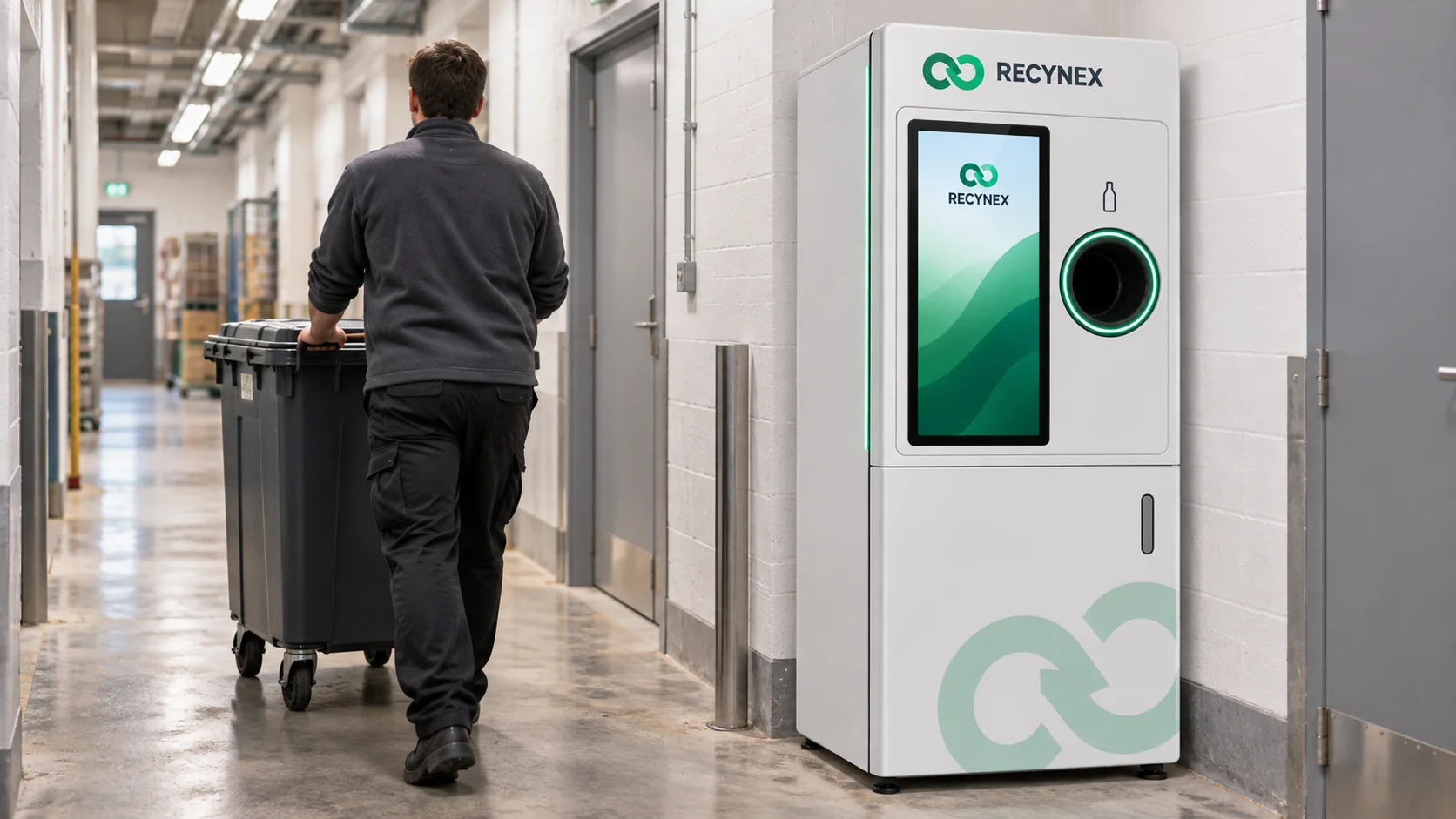
A good return experience ends with a clear result for the customer, but the operational job continues. Staff may need to replace a container, log an exception, move material through a service corridor and obtain a receiving confirmation. Map that route on the same drawing used for the public queue. If it crosses food handling or another restricted area, the retailer must decide whether the position or the collection method should change.
For a network of stores, give every site the same definitions for accepted returns, rejects, downtime and collections. Then allow local differences such as access windows and collection partners. This makes a Cloud view useful to central operations without hiding the practical conditions at each store. It also prevents a count of accepted containers from being misread as evidence that the material reached a recycler.
At the end of a pilot, ask the cashier, floor manager, cleaner and collector what interrupted their normal work. Compare that account with alerts and collection records. A quiet dashboard does not prove that the visitor journey was easy; staff may have solved problems informally. Turn those observations into a revised location plan, instruction set and handover procedure before another store is added.
Send the marked floor plan, qualified packaging list, busiest return windows, collection route and the roles of store and central teams. Ask for a site-specific operating plan alongside the equipment quote. Discuss a supermarket return point or review the broader retail solution.
Estimate return-point collection intervals from real container mix, peak demand, storage rules and route ownership rather than a generic machine capacity.
Read moreTurn one validated return point into a repeatable network plan for equipment, collection, software and service.
Reviewed Read moreCompare refillable bottle, intact-glass and cullet routes, then define breakage controls, eligible formats and staff handover for a glass return point.
Read moreShare the location, container stream, operating team and systems already in place.