
RECYNEX BULK
Bulk container returns for staffed collection sites.
Plan staffed batch returns with RECYNEX Bulk. Define material preparation, operator tasks, batch records and acceptance tests before choosing a configuration.
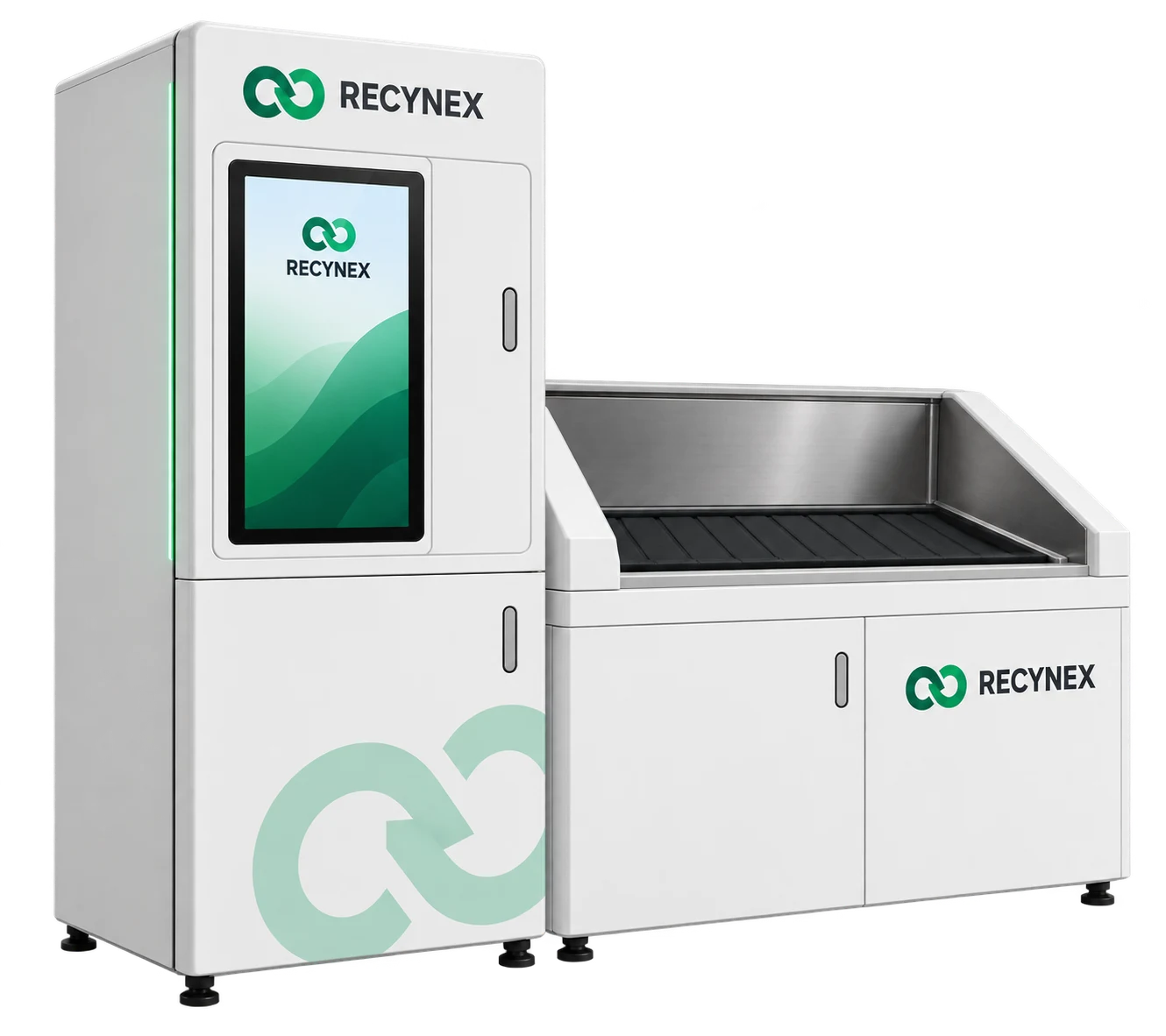
PRODUCT FILM
See RECYNEX Bulk in motion.
Equipment configuration is defined in the project proposal.
Plan a staffed batch-return workcell
RECYNEX Bulk is an operator-led option for container returns that arrive in batches at a staffed, back-of-house site. Start with who unloads the material, how it is prepared and where each output goes. The proposed configuration must match that process and the samples the project approves.
If your brief asks for a public bulk-feed reverse vending machine where visitors empty a bag themselves, state that requirement at the start. The Bulk name does not establish unattended bag-emptying capability. Public self-service and staff-operated intake need their own equipment assessment, safety review and acceptance tests.
Is operator-led batch intake the right fit?
Bulk is worth assessing when staff receive grouped returns and need to keep the incoming material, rejected items and outgoing containers traceable. Confirm these conditions before selecting equipment:
- A named team receives material and supervises the workcell during operation.
- The accepted packaging list and exclusions are defined using representative samples.
- There is space for incoming batches, operator movement and separate output routes.
- Staff have an agreed process for unexpected items, spills, full storage and interruptions.
- The next receiver has stated what material and records it will accept.
If these decisions are still open, use the assessment to resolve them before treating a product image as a finished line design. For individual visitor returns, compare the RECYNEX equipment families against the actual return journey.
Define one batch from arrival to handover
Write the operating sequence before choosing a headline processing rate. A useful starting sequence is:
- Receive: identify the batch, its origin and the person taking responsibility for it.
- Prepare: agree who opens packaging, removes excluded material and presents eligible containers. Do not assume unsorted material can be fed directly.
- Process: record the selected configuration, accepted sample set and operator actions required during the run.
- Handle exceptions: keep rejected or unresolved material identifiable and record why it left the normal route.
- Close and hand over: match the completed batch to its outgoing containers and the receiving party’s record.
The exact feeding and sorting method must be confirmed in the proposal. A batch identifier is a record requirement, not a claim that an unconfigured machine automatically creates or reconciles every field. Use the collection handover guide for the receiving side of the process.
Test the difficult cases before accepting the workcell
Agree what evidence will demonstrate each outcome with the people who will operate the site:
| Test case | Decision to establish |
|---|---|
| Representative approved batch | Which formats pass, how staff present them and where accepted material finishes |
| An excluded item within the batch | How it is separated, identified and recorded without being counted as an approved return |
| Full output storage | How the workcell stops or pauses safely, who exchanges the container and how operation resumes |
| An interrupted batch | How remaining material and existing records are reconciled before a restart |
| Collection handover | How the receiver identifies the physical output and records any discrepancy |
These are proposed acceptance scenarios. The supplier and site owner must agree the safe test method for the selected configuration. They do not authorize an operator to reach into equipment or bypass a safety control.
Compare performance over the same operating cycle
A useful throughput target names the material mix, container condition, preparation work, number of operators and measurement period. Agree whether the timing includes preparation, reject handling, container exchange and cleaning. Compare proposals using the same boundary.
Capacity, speed, dimensions, utilities and delivery terms must be confirmed for the selected configuration. The product render and film do not establish these figures. Separate equipment performance from staffing assumptions so that a smooth short demonstration is not mistaken for an entire shift’s output.
Specify the records and software you need
RECYNEX Cloud and Connect can form part of the agreed operations and integration scope. Define which batch, exception and handover information is required, where it is created and which system approves corrections. Existing weighing or logistics systems may use different units and measurement points; retain those definitions instead of forcing unlike totals to match.
If a project includes a deposit or reward, define its authorization and reconciliation separately. A physical batch record does not by itself establish an entitlement or issue a payment.
Request a Bulk assessment
Send the intended material list, representative samples, typical batch size and arrival pattern, a floor plan and the current staffing and collection process. Include the downstream receiver’s requirements and any records an existing system needs.
The assessment should produce a defined workcell scope, operator responsibilities, exclusions and acceptance criteria. Discuss operator-led batch returns or review the integration options.
KEEP EXPLORING
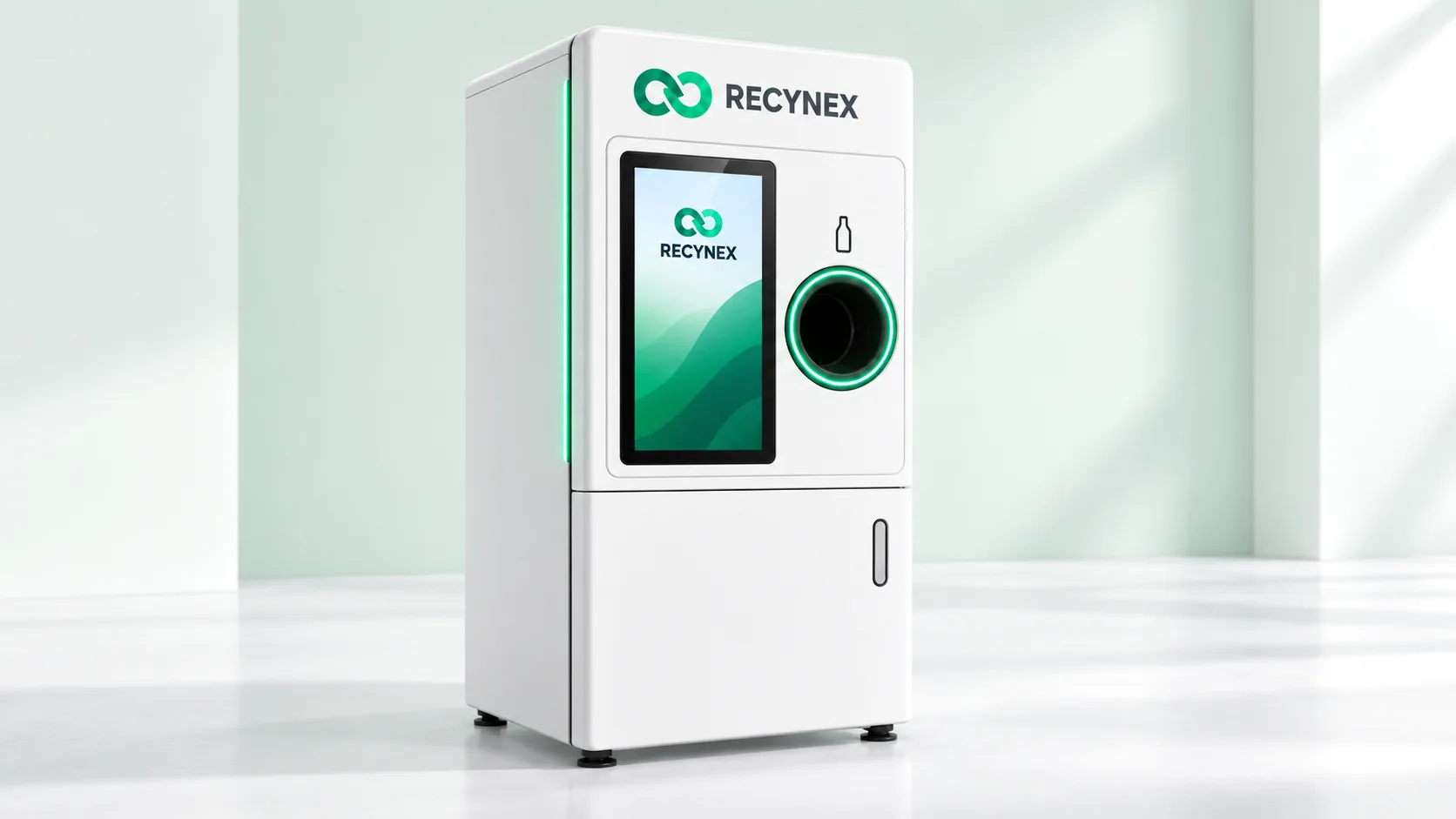
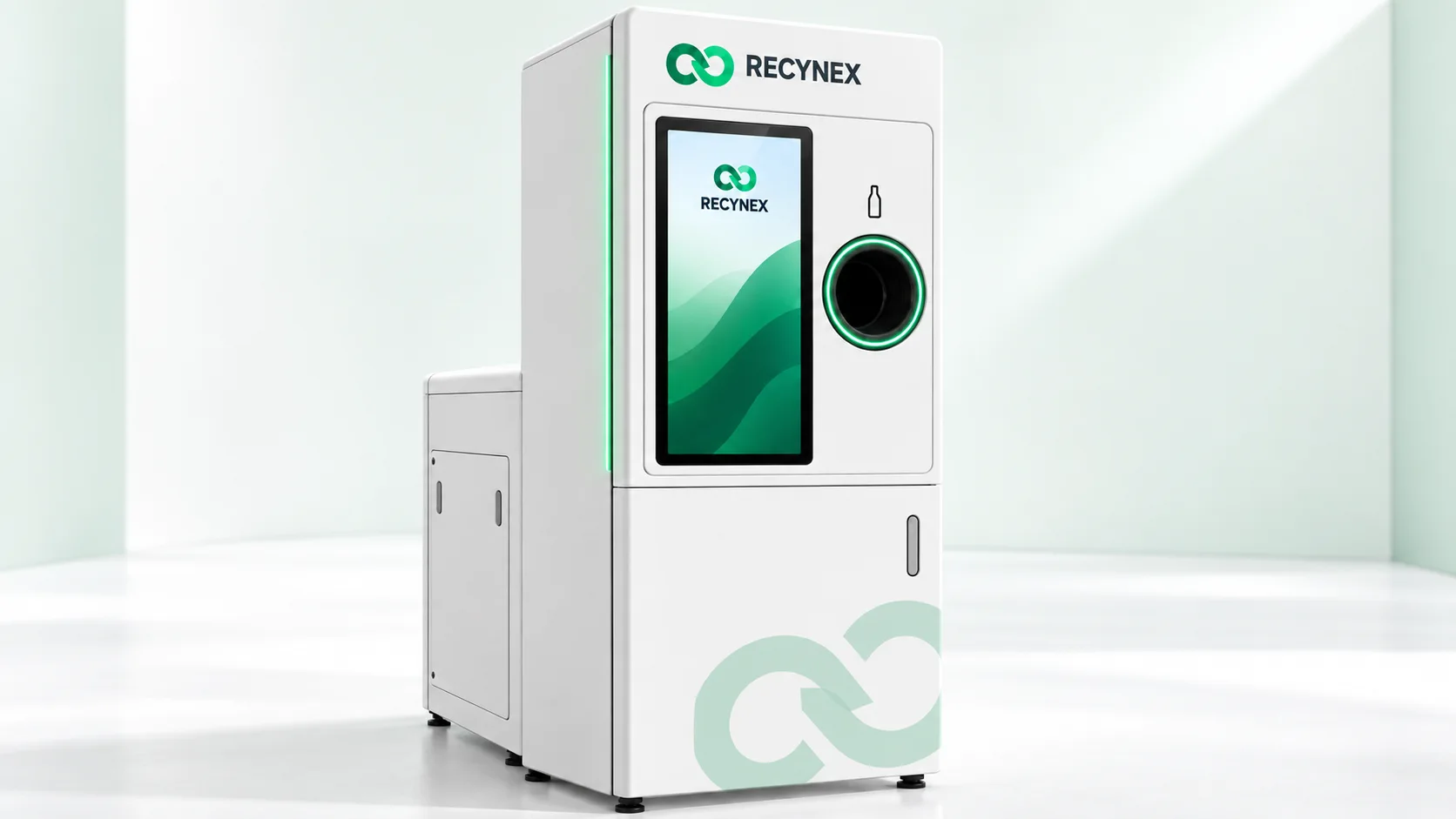
Explore the equipment family
Compare other equipment families against your site, packaging and collection plan.

Start with the decision in front of you
Tell us what you need to return and where. We can help define the remaining details.