Practical guide
What happens to return events when the network goes offline?
Define queueing, replay, deduplication and reconciliation before connecting return equipment to another system.
Reviewed Read moreCompare refillable bottle, intact-glass and cullet routes, then define breakage controls, eligible formats and staff handover for a glass return point.
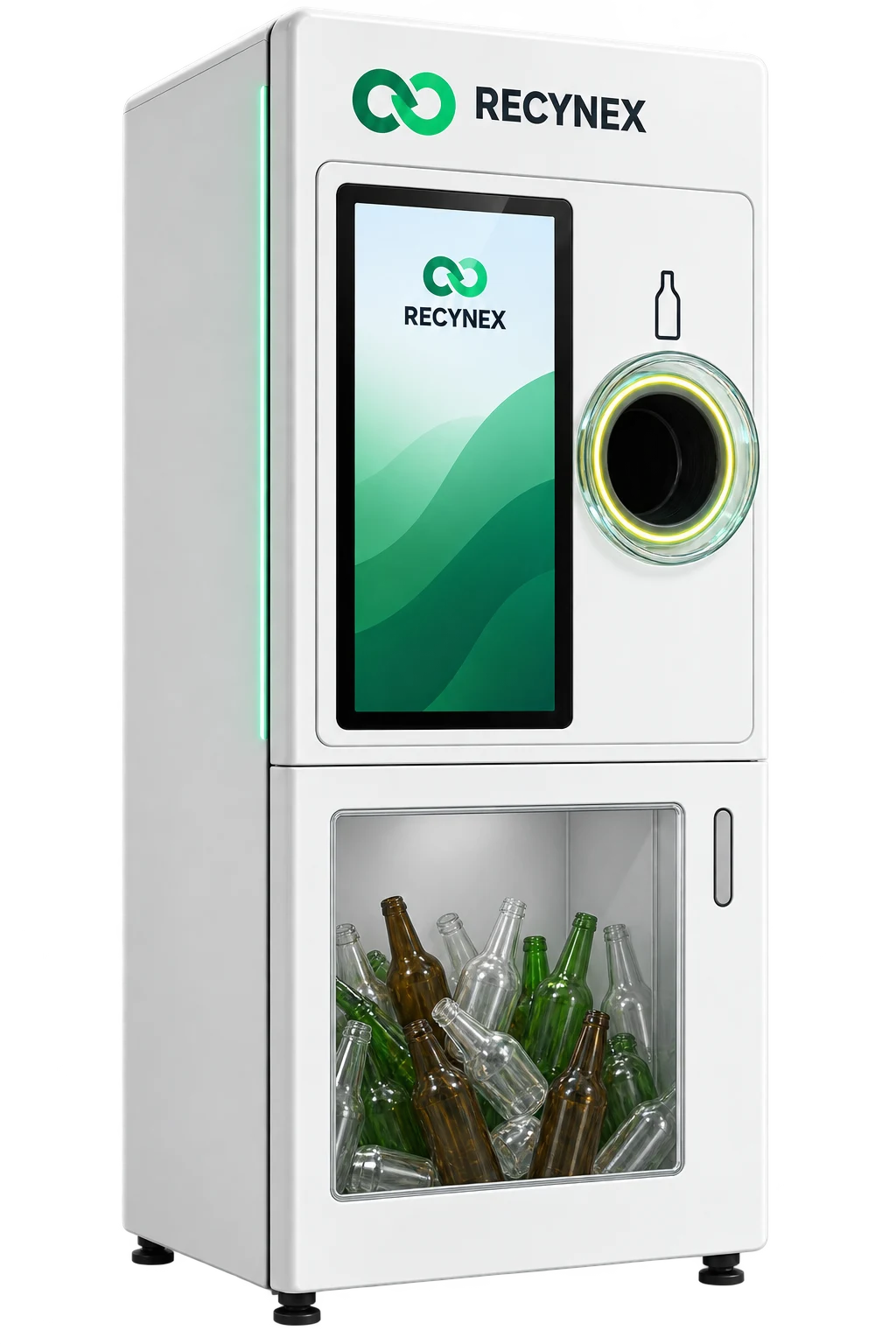
A glass bottle return project should start with the destination of the bottle. A refillable container that must remain intact has a different handling path from glass collected for cullet. That decision affects intake, storage, breakage response and the evidence a programme needs.
Ask the receiving party which bottle types it accepts and in what condition. Is the programme limited to specific refillable shapes? Can mixed colours or broken glass enter the same route? Who owns containers after collection? Do not infer these answers from a machine’s ability to recognise a label or barcode.
The receiver’s answer should be written down before intake rules are finalised. A bottle may be physically acceptable to equipment but unsuitable for the route that follows. For a refill programme, loss of an intact bottle can be a programme failure even when the glass is later recycled. For a cullet route, a count of recognised bottles says little about contamination unless that is measured separately. Define the claim the project needs to support, then choose the evidence required.
| Route | What to confirm | What to keep separate |
|---|---|---|
| Refillable bottles | Identity, condition and return destination | Damaged or non-programme bottles |
| Intact one-way glass | Accepted shapes and safe collection method | Breakage and contaminated containers |
| Cullet collection | Material and contamination rules from the receiver | Any deposit or identity claim not supported by the workflow |
Bring intact, chipped, unlabelled and partially full examples. Include closures and variations in shape and colour. Record whether each sample was accepted, rejected or held for investigation under a named test condition. A positive recognition result is only one part of safe physical acceptance; the acceptance guide explains why.
Use samples that mirror ordinary visitor behaviour. People may present a bottle with a cap, turn a damaged label away from the reader or bring a product that looks very similar to an eligible one. Observe the complete interaction: the instruction, physical handover, rejection or acceptance message and final storage route. Keep rejected bottles in the test record; they reveal whether the visitor can recover without leaving glass beside the machine.
Document who isolates the area, how staff report an incident, what protective equipment their employer requires and how material is removed. Identify a safe service opening and collection route on the site drawing. The supplier proposal should make the handling boundary clear: where the equipment contains material, where an operator takes over and which actions require a trained person.
For any deposit or reward, specify the exact event that makes a bottle eligible for credit. A visual match before physical handover should not be treated as a completed return. Keep the server-side ledger and correction process separate from the equipment count.
A chipped bottle, a spill and a full collection container should not all produce the same instruction to “call support.” Define what site staff may do safely, which tasks require a trained operator and which situations require the point to close temporarily. The procedure must match the selected equipment and the site’s own safety rules. Record who cleared the exception, whether material was removed and what check allowed the point to reopen.
If glass travels through several organisations, identify the first handover record and the point at which the receiving party confirms it. Keep item-level acceptance records and physical batch records distinct. A project may need both, but they answer different questions. The collection handover guide gives a starting set of fields.
Before opening to visitors, run representative eligible and ineligible bottles, a damaged-item scenario and a collection exchange with the people who will operate the point. Confirm the visitor message for each outcome, the storage path and the record available for a dispute. Do not call a glass stream qualified merely because a few clean samples passed recognition.
RECYNEX Glass provides a dedicated equipment direction for a qualified stream. Send the bottle list, downstream requirements, site drawing and breakage procedure when you discuss a glass return system.
Define queueing, replay, deduplication and reconciliation before connecting return equipment to another system.
Reviewed Read moreEstimate return-point collection intervals from real container mix, peak demand, storage rules and route ownership rather than a generic machine capacity.
Read moreA practical starting point for connecting return equipment to an operator system.
Reviewed Read moreShare the location, container stream, operating team and systems already in place.