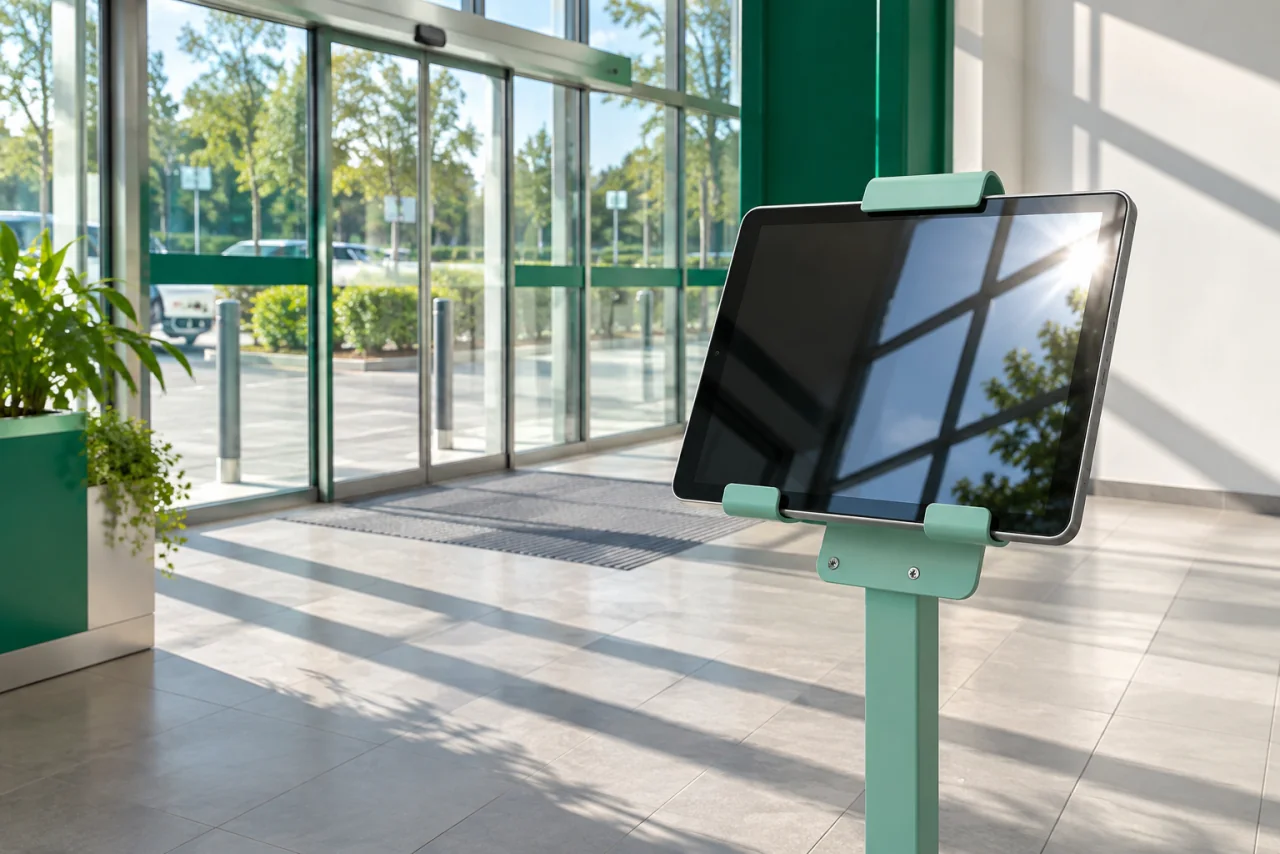
Check screen readability where people will actually use the reverse vending machine (RVM), including during the brightest part of its operating day. Start with the proposed cabinet position and orientation. Read the actual start, refusal and completion screens from standing and seated positions. Record the prompt that becomes hard to read and the time and lighting condition when it happens.
Which conditions should the site team check?
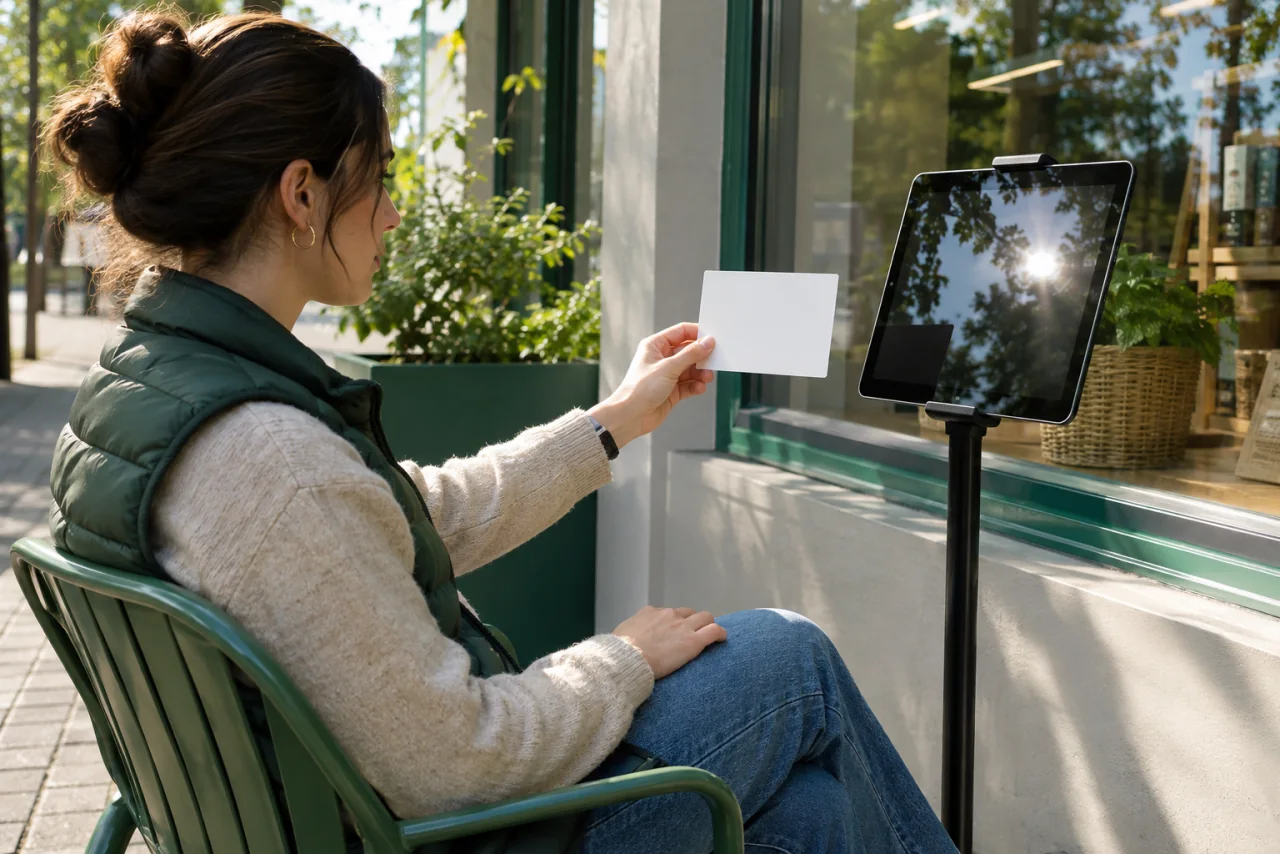
Look for direct sun, reflections from glass or polished surfaces, and lights visible in the screen. Visit at times when those conditions differ. For a glass entrance, check the hours when sun reaches that side of the building. For an evening return point, check it with the lights that will be on after dark. Note the weather and any lighting conditions you could not observe.
Check the display from the normal clear approach space. The U.S. Access Board’s guidance for ATMs and fare machines is an example of evaluating visibility from a defined viewing position. For an RVM project, agree the positions to test with the site team and use the accessibility requirements applicable to that installation.
How do you compare two placements?
Use the same equipment or a representative display at the intended height and angle. Load the same prompts and settings at both positions. Ask the observer to read each prompt and identify the next action. Note when they have to lean, move sideways or shade the screen to read it. Capture photos from the same viewpoint for the placement record and keep the observer’s result alongside each photo.
For example, a screen beside a shop window might be readable at opening, but a reflected window frame could obscure the retry instruction in the afternoon. An alternative position might clear that reflection. Repeat the test during the same afternoon window, then check that the alternative also works for visitor approach and service access.
What belongs in the decision record?
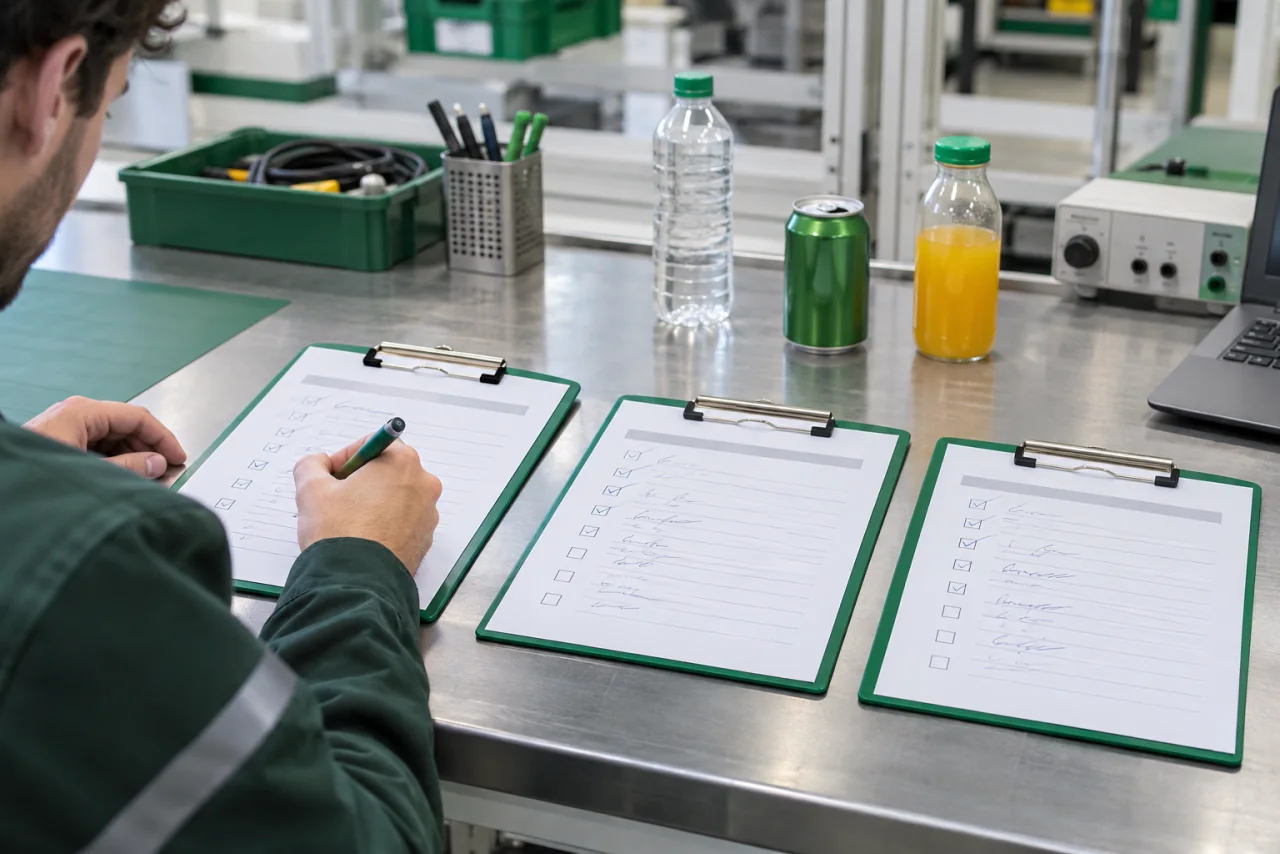
Record the proposed position, screen orientation, observation times, prompts tested, results and next action. If the installed display or lighting differs from the trial, repeat the checks before opening. Ask the equipment supplier which position or display adjustments are approved and confirm any site change with the people responsible for access and maintenance.
Use the outdoor placement guide for the wider exposure survey and the accessibility walkthrough to review the rest of the return journey.