Practical guide
Reverse Vending Machines for Supermarkets
Plan a supermarket return point around peak queues, store circulation, accepted containers and back-of-house collection rather than a headline throughput figure.
Read moreObserve arrivals, completed visits and interruptions, then decide whether the return-point bottleneck is intake, instructions, collection or the surrounding layout.
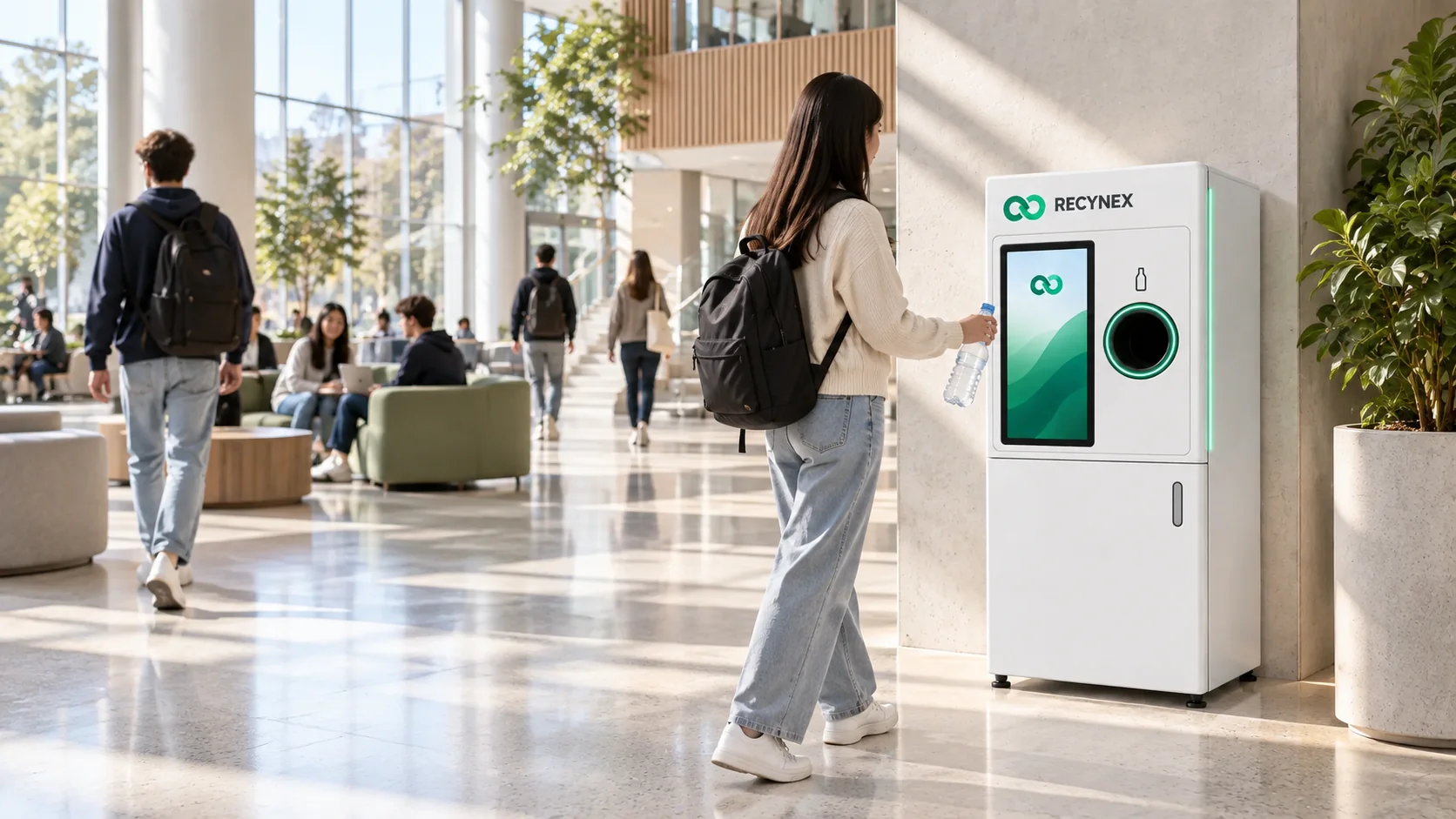
Plan a busy return-point queue from observed visits and the site’s approved crowd arrangements. Containers per minute alone cannot tell you how long people wait: visitors arrive with different quantities, need time to read instructions and may stop to resolve a refusal or collect a voucher.
HSE’s event guidance for Great Britain highlights queue escape routes and keeping emergency access clear. Apply the relevant local site assessment; a return-point observation sheet does not establish safe venue capacity. Confirm the queue boundary with the person responsible for site operations before opening.
Observe a representative busy period rather than extrapolating from an empty-site demonstration. Record aggregate arrivals, completed visits and interruptions without collecting participant identities. Check whether the waiting line affects the route to staff, another facility or the collection area.
| Observation | Decision it can support |
|---|---|
| Arrival count within a defined interval | Whether demand is concentrated around a particular activity |
| Completed visits in the same interval | How the complete configured journey handles that observed demand |
| Waiting time from joining to starting | Whether the queue is growing despite normal intake |
| Time spent on instructions or refusals | Whether clearer guidance or a staffed help route needs testing |
| Collection or service interruption | Whether the bottleneck is availability rather than intake speed |
State how each measure was taken. Keep a partial visit separate from a completed visit and include the observed interruption time. Do not compare an instantaneous equipment rate with a visit count over a whole event.
If instructions are the bottleneck, test revised signs and assistance. If the collection arrangement interrupts service, review that arrangement with the responsible operator. If the actual complete visit remains the constraint, discuss equipment configuration or additional return capacity with the supplier. These are proposed decisions, not RECYNEX throughput claims.
Agree the action when the queue reaches the approved site boundary. Identify who watches it, who can pause intake and where participants receive the next instruction. Assess the revised arrangement before adopting it; adding a second machine does not automatically solve a shared access or service problem.
Can a demonstration rate size the whole site? It describes the demonstrated conditions. Include actual arrivals, complete visits, interruptions and the site assessment before deciding.
Does a shorter queue prove better recycling performance? No. Queue observations concern the participant journey, not downstream recycling outcomes.
Connect the observations to campus planning or retail site planning.
Plan a supermarket return point around peak queues, store circulation, accepted containers and back-of-house collection rather than a headline throughput figure.
Read moreReview the approach, instructions, interaction and next step with representative users rather than treating an equipment photograph as accessibility evidence.
Reviewed Read moreTurn one validated return point into a repeatable network plan for equipment, collection, software and service.
Reviewed Read moreTell us what you need to return and where. We can help define the remaining details.
May we use Google Analytics to understand which pages help visitors? Your choice does not affect enquiries. You can change it at any time using Analytics preferences. Privacy notice