Practical guide
Campus RVM signage: where rejected packaging should go
Design a clear route for containers outside a campus return programme, while keeping local recycling instructions separate from machine acceptance.
Reviewed Read moreMake a proposed donation journey clear about the beneficiary, available refund route and recorded outcome, without confusing returned containers with donated funds.
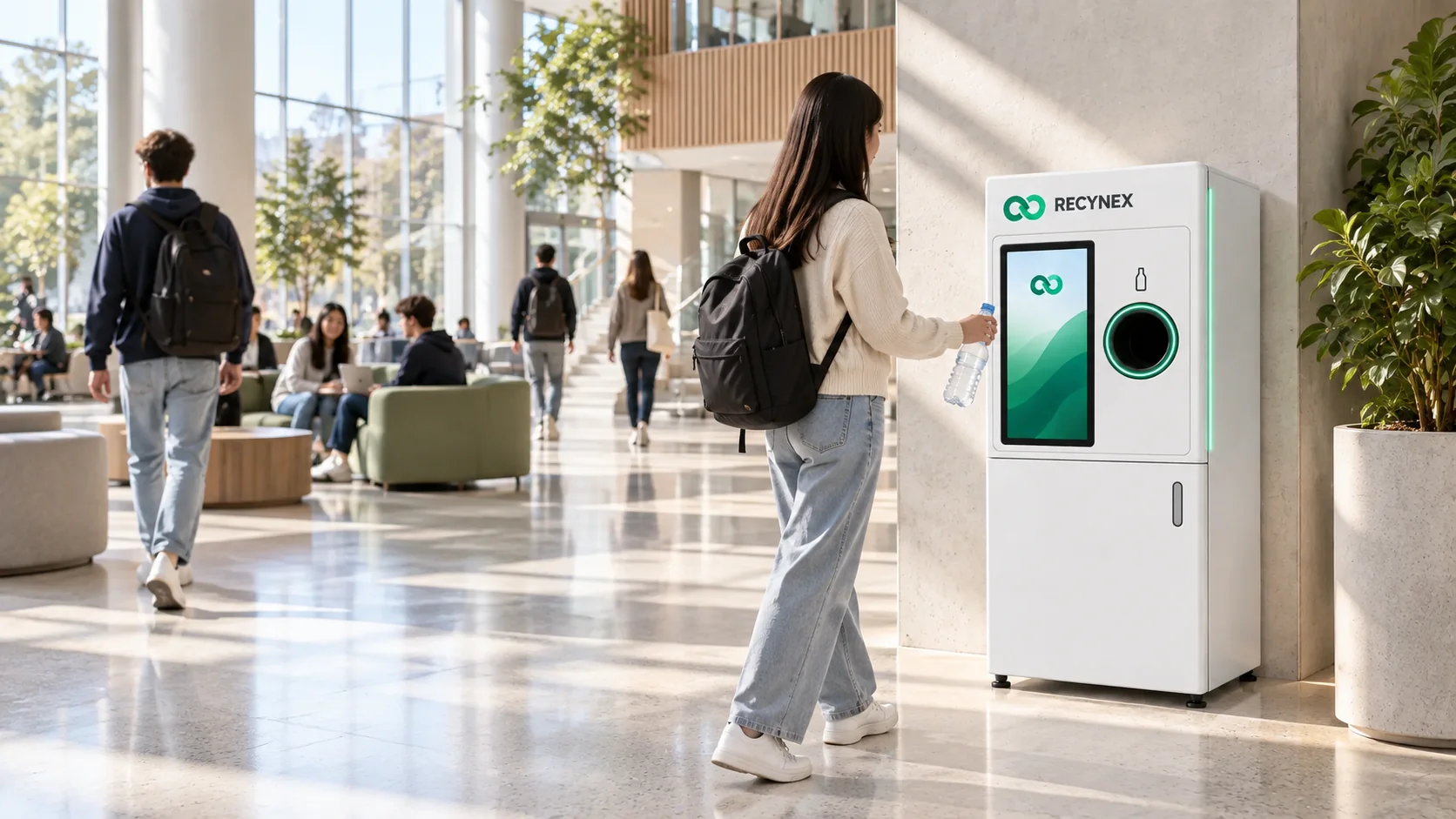
A donation collection point should explain the intended destination before someone gives up a container or selects a donation option. A mixed recycling bin, a deposit return and a charity donation are different outcomes. Design the instruction around the actual programme rather than a general promise to help a cause.
Re-turn’s Return for Children page describes optional donations at events in Ireland. It is a public example, not a RECYNEX partnership. For your project, confirm the beneficiary, collection arrangement and transfer process before using a charity name or logo.
A donation-only collection bin needs a clear explanation of its purpose. A return point offering both refund and donation needs equally understandable routes. Do not advertise a choice that the actual collection process cannot provide.
| Stage | What the participant should understand |
|---|---|
| Before depositing | Whether this is a donation collection or a return with choices |
| At the decision | Named beneficiary and the actual available alternatives |
| After the action | The recorded outcome, rather than a vague thank-you |
| If something fails | Where to ask for help and what remains unresolved |
This table is a proposed design review, not a claim about a built-in RECYNEX donation feature. Configure only capabilities confirmed in the project scope and test them before making a public promise.
Record containers collected, validated return value and confirmed transfer to the beneficiary as separate stages. A display of collected bottles does not prove that money has been transferred. If a campaign reports an amount, define whether it is estimated, reconciled or actually transferred, and retain the supporting record.
Agree who owns exceptions and who may correct a destination error. Test the proposed journey with someone unfamiliar with it: can they explain what will happen before taking action? Include a failed or interrupted flow in the review so that a thank-you screen cannot conceal an unresolved transfer.
Can every returned container be called a completed donation? No. Use the evidence appropriate to the stage and the programme’s real transfer process.
Can a campaign use a charity’s logo before agreement? Obtain the relevant approval rather than presenting an unconfirmed relationship as established.
Use RECYNEX brand programme planning and Connect integration to define responsibilities and the event boundary.
Design a clear route for containers outside a campus return programme, while keeping local recycling instructions separate from machine acceptance.
Reviewed Read moreAnswer the bottle-cap question using the actual return programme, then test the selected packaging and make participant instructions consistent.
Reviewed Read morePlan useful unavailable-machine signage, confirm alternative return arrangements and give staff a clear escalation path without promising an unapproved refund.
Reviewed Read moreTell us what you need to return and where. We can help define the remaining details.
May we use Google Analytics to understand which pages help visitors? Your choice does not affect enquiries. You can change it at any time using Analytics preferences. Privacy notice