Practical guide
What is a reverse vending machine? How RVMs work
Understand how a reverse vending machine accepts containers, where deposit rules fit, and what a buyer should check before selecting an RVM.
Read moreA buyer's method for separating PET, cans, glass and exceptions before selecting intake equipment.
An equipment comparison is only useful after the return stream is defined. “Bottles and cans” can conceal refillable glass, crushed aluminium, partly full PET, unlabelled containers and formats that the downstream receiver will not take. Treat each as a decision, not as an automatic extension of one machine’s capability.
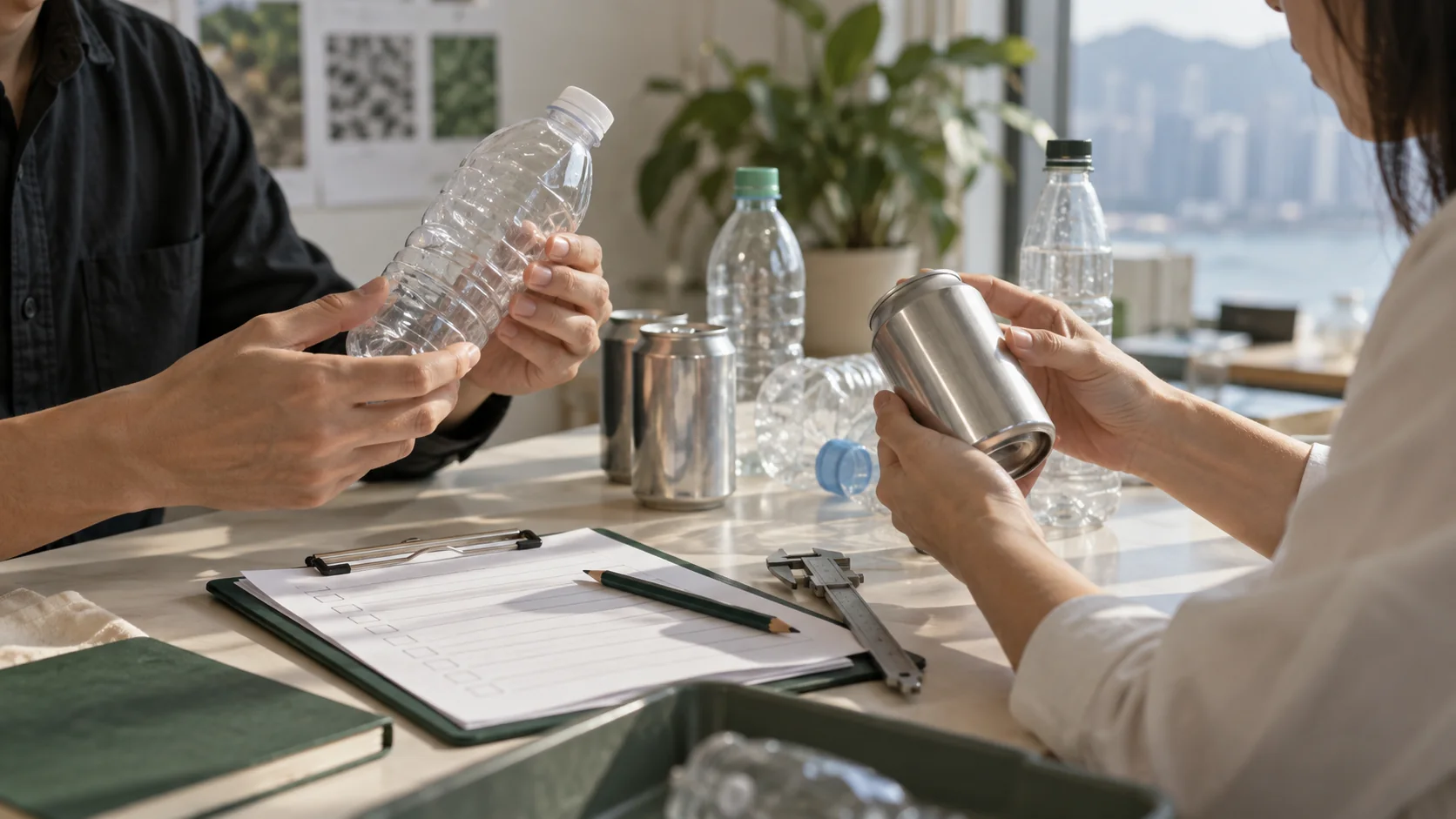
Collect actual containers from the proposed sites. Record material, volume, physical dimensions, shape, closure, label and barcode condition. Include the damaged or contaminated items staff already see. Ask the downstream collector which forms it accepts and whether material must be separated. That answer may rule out a seemingly convenient single-stream layout.
| Stream | First equipment question | First operating question |
|---|---|---|
| PET bottles | Which shapes and conditions must be physically accepted? | Will residual liquid or crushed containers change cleaning work? |
| Aluminium cans | How will the selected intake handle deformation and mixed sizes? | How is the can stream stored and handed over? |
| Glass bottles | Is the route refill, intact collection or cullet? | Who handles breakage and the safe container exchange? |
| Other or uncertain formats | Are these deliberately excluded or separately qualified? | What instruction does a visitor receive after rejection? |
A camera or barcode result can help identify an item, but the machine must also complete a safe physical handover. Define the point at which an accepted-return event is recorded. If a programme offers an incentive, decide how the server-side ledger receives that verified event and handles duplicates. An image of a familiar brand is not an approval to accept every package it sells.
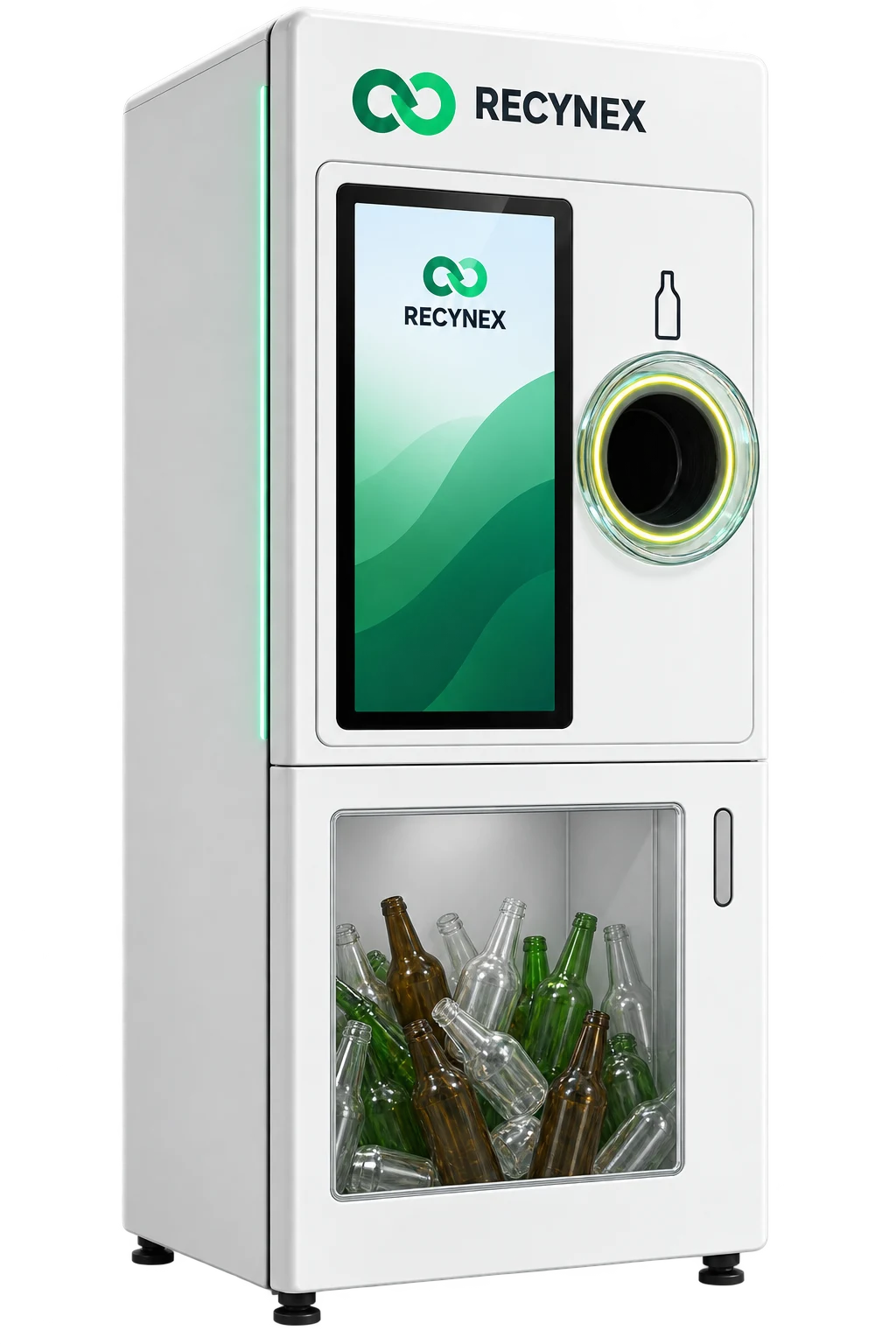
Mini and One are starting points for a public-facing stream; Max becomes relevant when holding capacity and collection intervals drive the decision. Glass has a distinct handling path, and Bulk is for staffed batches. Outdoor addresses exposure at the site, not a new material type. A project can use more than one family when streams or operating roles differ.
The exclusion list is as important as the accepted list. Ask staff what people already leave near collection points: household containers, food packaging, refillables from another programme or bottles with significant residue. Decide where those items should go and how the machine will explain a rejection. If there is no practical alternative route, an accurate rejection message may still leave the site with a litter problem that needs an operating answer.
Photograph the confusing formats beside the accepted ones and keep them in the test set. This gives the equipment team a way to check false acceptance and gives the communications team concrete examples for signs. When two packages look almost identical but have different eligibility, avoid vague material labels such as “all plastic.” Name the programme or format boundary that the visitor can actually recognise.
Keep a record of frequently rejected items and staff interventions. A format that appears often may deserve testing, but frequency alone does not make it suitable for the collector or machine. If the programme owner approves a change, update the versioned test result, equipment rule, public sign and operator script together. The accepted stream is a controlled operating decision, not a one-time line in a sales brochure.
Mark each format include, exclude or investigate. Attach a sample ID, test condition, decision owner and version. Send the list with a site plan and collector requirements when you request equipment advice. The packaging qualification worksheet helps keep decisions tied to evidence.
Understand how a reverse vending machine accepts containers, where deposit rules fit, and what a buyer should check before selecting an RVM.
Read moreCompare RVMs using your container stream, floor space, collection routine, software needs and supplier scope—not a single headline capacity claim.
Reviewed Read moreCompare refillable bottle, intact-glass and cullet routes, then define breakage controls, eligible formats and staff handover for a glass return point.
Read moreShare the location, container stream, operating team and systems already in place.