Practical guide
Choose the packaging stream before the return machine
A buyer's method for separating PET, cans, glass and exceptions before selecting intake equipment.
Reviewed Read moreUnderstand how a reverse vending machine accepts containers, where deposit rules fit, and what a buyer should check before selecting an RVM.
A reverse vending machine, or RVM, is an automated return point for specified used containers. A person presents an item; the system checks it against the project’s eligibility rules, handles the accepted item and records the result. That description is more useful to a buyer than a promise that a machine will accept every bottle or automatically recycle it.
The visitor needs to find the return point, understand which containers belong and present an item safely. The equipment checks the item against an approved packaging list. A rejected item needs a clear explanation and a safe way back to the visitor. An accepted item moves through a defined physical path into storage; the system can then create a return event for the operator or an agreed external system.
Recognition and physical acceptance are different decisions. A camera or barcode may identify a container, but a reward or accounting record should follow the confirmed acceptance event, not the first visual match. Our event-boundary guide explains the distinction.
No universal payout rule exists. In a deposit return scheme, eligible packaging, deposit value, refund method and fraud controls come from that scheme and the participating operator. Another project may use a brand-funded incentive, a loyalty programme or no consumer reward at all. Do not assume a receipt printer, payment integration or deposit certification from the word “RVM.” Ask for those functions and the responsible party in the project specification.
Industry descriptions commonly use reverse vending machine, RVM, bottle return machine and bottle-and-can recycling machine for related equipment. The last phrase describes the collection point, not proof that the returned material has already been recycled. The downstream collection and processing chain still needs its own records. For a general account of the technology, see TOMRA’s reverse vending guide.
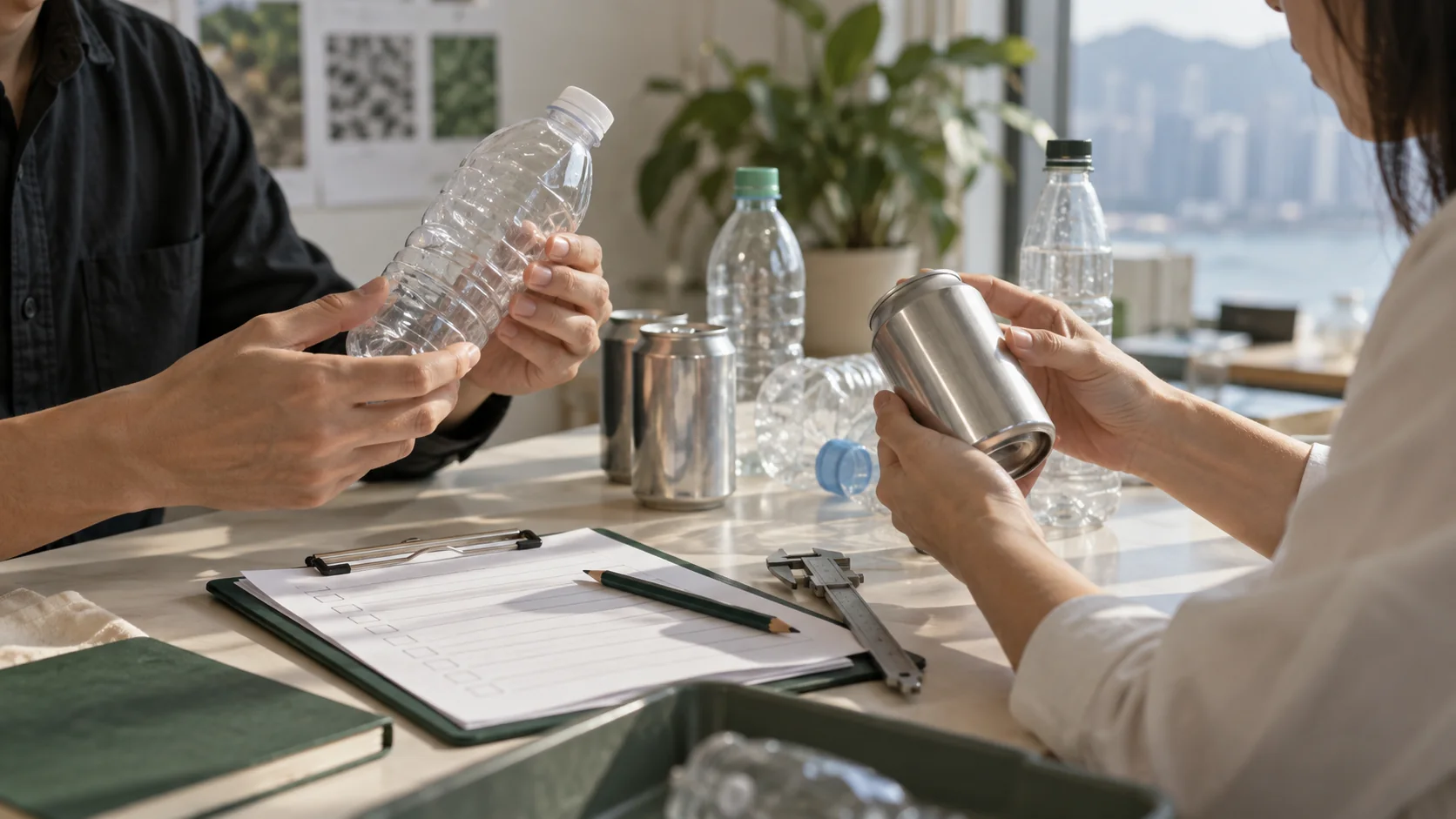
The answer depends on the configured intake, sensing, handling and collection path. PET beverage bottles, aluminium cans, glass bottles and other packaging cannot be grouped into one untested promise. Size, shape, labels, closures, residual liquid and damage can change the outcome. A project should specify accepted and excluded examples, test them and document what a visitor sees in each case.
| Buyer question | Evidence to request |
|---|---|
| Will it accept our bottles and cans? | A tested sample list with accept, reject and unknown cases |
| Is glass included? | The exact glass stream, handling path and collection destination |
| Is a reward issued? | Eligibility rules, funding owner and reconciliation process |
| Can data reach our app? | Event contract, authentication, offline recovery and acceptance tests |
| Will it fit the site? | Cabinet configuration plus approach, service and collection clearances |
Use the packaging-stream guide to prepare samples before asking suppliers to compare machines.
A recycling bin is a place to deposit a material stream. An RVM applies a defined acceptance process to each item or batch and can record the outcome. That can help when a programme needs an eligible-container list, an incentive event or station-level operating data. It also adds equipment, software, power and service responsibilities that an ordinary bin may not have. A bin can be the better answer for a broad stream that does not need item verification; the decision depends on the programme goal and the material route.
Neither option proves what happens after collection. Ask who receives the material and what record follows it. If a project wants to report recycling rather than returns, the downstream evidence needs to come from the relevant processing chain.
A small staffed store may prioritize footprint, simple instructions and easy emptying. A busy public location may need a different storage and collection plan. A multi-site operator needs consistent equipment identities, exception ownership and a way to compare sites without hiding local differences. An operator-led batch station is a different workflow from a public one-item-at-a-time return point.
Start with the actual location, likely containers, visitor flow, collection route and people responsible for the station. Then compare RECYNEX equipment families and site contexts. The right configuration follows those inputs; it does not follow a generic capacity number copied from another installation.
For a university or workplace campus, usage can change between lunch, events and term breaks. In an apartment building, resident access and the collector’s route through shared space become central. A similar-looking cabinet can therefore have a different operating plan at each location.
Ask for the named cabinet and options, approved packaging list, site preparation, software access, integration work, installation, training, collection responsibilities and support boundary as separate lines. Numerical dimensions, capacity and throughput need the selected configuration and test conditions. Our selection guide and budget scope guide provide a common comparison method.
If you have a location and representative containers, send them to RECYNEX. We can discuss the equipment direction, what needs validation and which software or service work belongs in the proposal.
A buyer's method for separating PET, cans, glass and exceptions before selecting intake equipment.
Reviewed Read moreUnderstand the cost lines in an RVM project: selected equipment, site work, software, integrations, installation, training, collection and ongoing support.
Reviewed Read moreCompare RVMs using your container stream, floor space, collection routine, software needs and supplier scope—not a single headline capacity claim.
Reviewed Read moreShare the location, container stream, operating team and systems already in place.