
Practical guide
Plan a multi-site return rollout without multiplying exceptions
Turn one validated return point into a repeatable network plan for equipment, collection, software and service.
Reviewed Read moreMake a return network more reliable by assigning each signal to a clear next step.

Make a return network more reliable by assigning each signal to a clear next step.
A status is useful when an operator knows its source, age and meaning. Distinguish a full container, an unavailable unit, a communications gap and a service request. A stale signal should not appear as current.
Decide which team sees each alert, how it receives the task and what it must record before closing it. Keep collection, cleaning and technical repair as separate work types.
Track recurring reasons, delayed handovers and unnecessary alerts. Improve thresholds, signage or training based on actual records rather than adding more dashboard tiles.
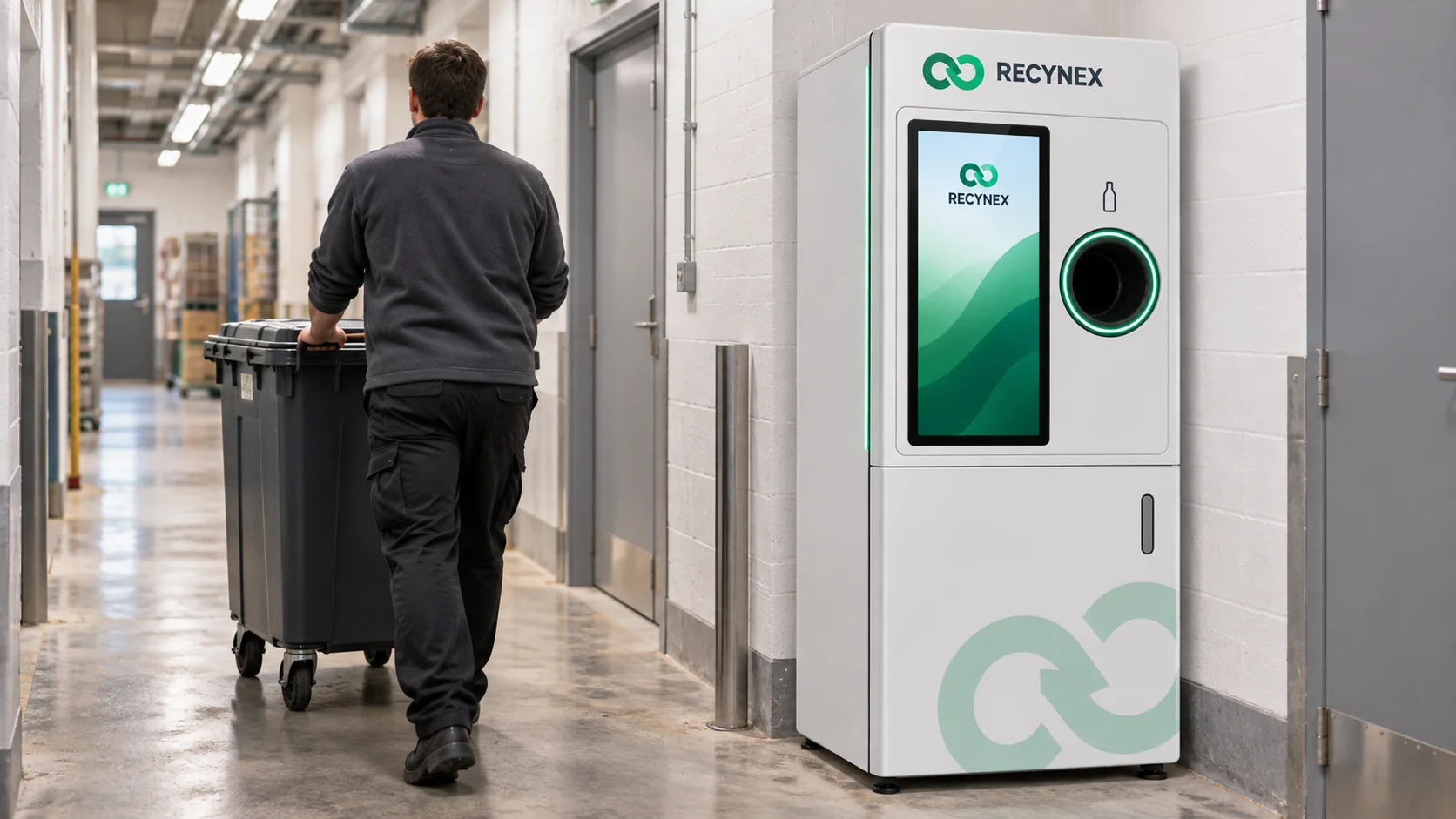
An alert queue should identify a site, device, time, severity and next owner. A full-container signal goes to the collector; an unavailable intake goes to the service team; repeated rejected samples go to packaging review. Define what counts as acknowledgement and closure for each. Otherwise a dashboard can show fewer red icons while the visitor still finds a closed machine.
| Signal | First owner | Evidence of closure |
|---|---|---|
| Full storage | Collection operator | Container exchange and handover record |
| Intake unavailable | Technical service | Diagnosis, repair and return-to-service check |
| Repeated format rejection | Packaging lead | Sample review and approved rule decision |
No current alert can mean the site is healthy, but it can also mean the last message is old. Show when each status was observed and distinguish an unavailable connection from a confirmed available machine. If the visitor-facing point is closed while the dashboard still shows green, operators need a way to report that discrepancy and correct the record. That is an operational incident, not a reason to hide the signal.
During a pilot, take one alert through the whole chain: create the condition, confirm the right person receives it, watch the visit and check the evidence left at closure. Repeat with a missed acknowledgement and an after-hours event. A notification rule that works only when the intended owner is on shift will fail in ordinary operation.
Staff may solve small problems before a system reports them. Ask them to log recurring visitor confusion, abandoned containers and unofficial cleanups for a short review period. Compare these notes with device events. The gap often points to a better instruction or a different threshold, rather than a need for another dashboard tile. Keep the review focused on actions the team can change and assign an owner to each decision.
Discuss your alert-to-action workflow with a sample event list and the teams who respond to it.
Turn one validated return point into a repeatable network plan for equipment, collection, software and service.
Reviewed Read moreDefine queueing, replay, deduplication and reconciliation before connecting return equipment to another system.
Reviewed Read moreSet sample, site, event and operator acceptance criteria before committing to a wider equipment order.
Reviewed Read moreShare the location, container stream, operating team and systems already in place.