Practical guide
RVM Collection Frequency Planning
Estimate return-point collection intervals from real container mix, peak demand, storage rules and route ownership rather than a generic machine capacity.
Read moreCreate a clear closing record for container storage, unresolved faults and the next collection without confusing shift closure with a completed pickup.
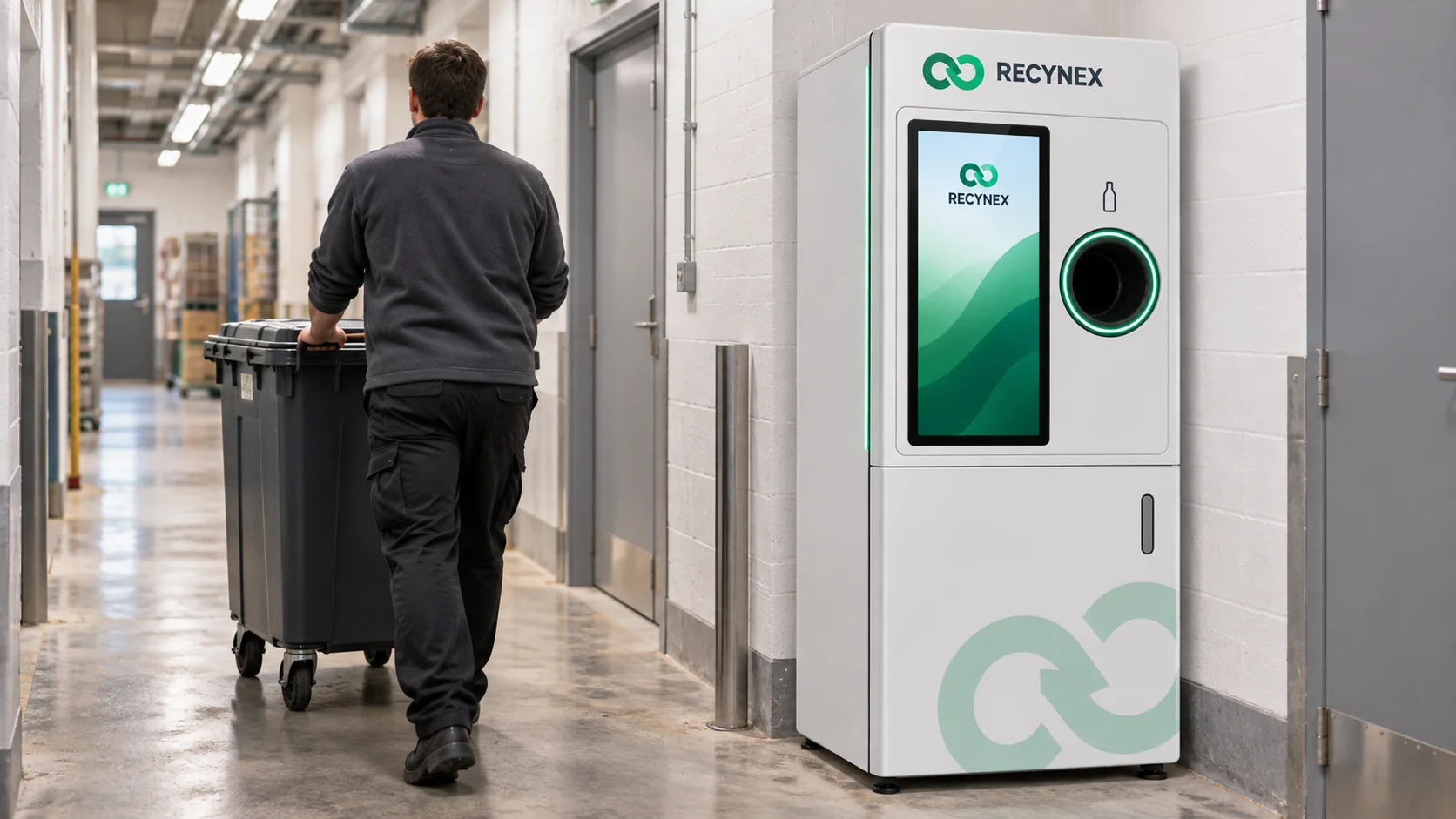
A closing-shift handover should tell the next operator whether the return point is available, where collected material is stored, which exceptions remain open and who owns the next action. A count alone cannot answer those questions. The following record is a proposed operating method, to be aligned with the equipment manual and your collector’s instructions.
Re-turn’s retailer guidance describes emptying full machines and storing sealed, barcoded collection bags until collection. This is an Irish scheme example, not a universal bag specification. Use the actual identifiers and handling process approved for your programme.
A bag prepared at closing is still at the site. Keep its status distinct from material accepted by the collector. Do not mark a scheduled pickup as completed merely because the closing team prepared the storage area.
| Field | What to record |
|---|---|
| Return-point status | Available, unavailable or restricted, with the observed time |
| Stored material | Location and approved container or bag identifiers |
| Open exception | Exact message, reference and last action |
| Next collection | Confirmed arrangement or an explicit unconfirmed status |
| Responsible role | Who must act and who receives an escalation |
Record storage conditions required by the collector. Keep access routes clear and follow the site’s approved arrangements for moving material. Never infer safe lifting limits or equipment isolation steps from a general article.
“Check machine tomorrow” does not identify a problem. “Collection compartment unavailable at closing; service reference retained; opening operator to verify availability before accepting returns” gives the next shift a condition to inspect and a decision to make. Use role names rather than personal contact details in a shared log.
For an unresolved fault, distinguish an observation from a diagnosis. Record the displayed message without asserting that a component failed. If staff cannot verify the operating state, use the approved unavailable notice and escalation procedure.
Does the closing count prove collection? No. Physical custody and a confirmed collector handover are separate records.
Should every open task be carried forward indefinitely? Give it an owner and closure evidence. Review recurring tasks with the operating manager instead of copying the same unresolved note forever.
Discuss the RECYNEX service scope and define the retail operating arrangement before the first shift.
Estimate return-point collection intervals from real container mix, peak demand, storage rules and route ownership rather than a generic machine capacity.
Read moreMake a return network more reliable by assigning each signal to a clear next step.
Reviewed Read moreCompare RVMs using your container stream, floor space, collection routine, software needs and supplier scope—not a single headline capacity claim.
Reviewed Read moreTell us what you need to return and where. We can help define the remaining details.
May we use Google Analytics to understand which pages help visitors? Your choice does not affect enquiries. You can change it at any time using Analytics preferences. Privacy notice