Company observation
Unilever: rigid and flexible packaging need different routes
A packaging portfolio is not an equipment compatibility list. Separate formats, residues and downstream requirements.
Reviewed Read moreWhy a beverage return point should not be described as a universal packaging solution.
Independent reading of public company information. This is not a customer case study, endorsement or partnership announcement.
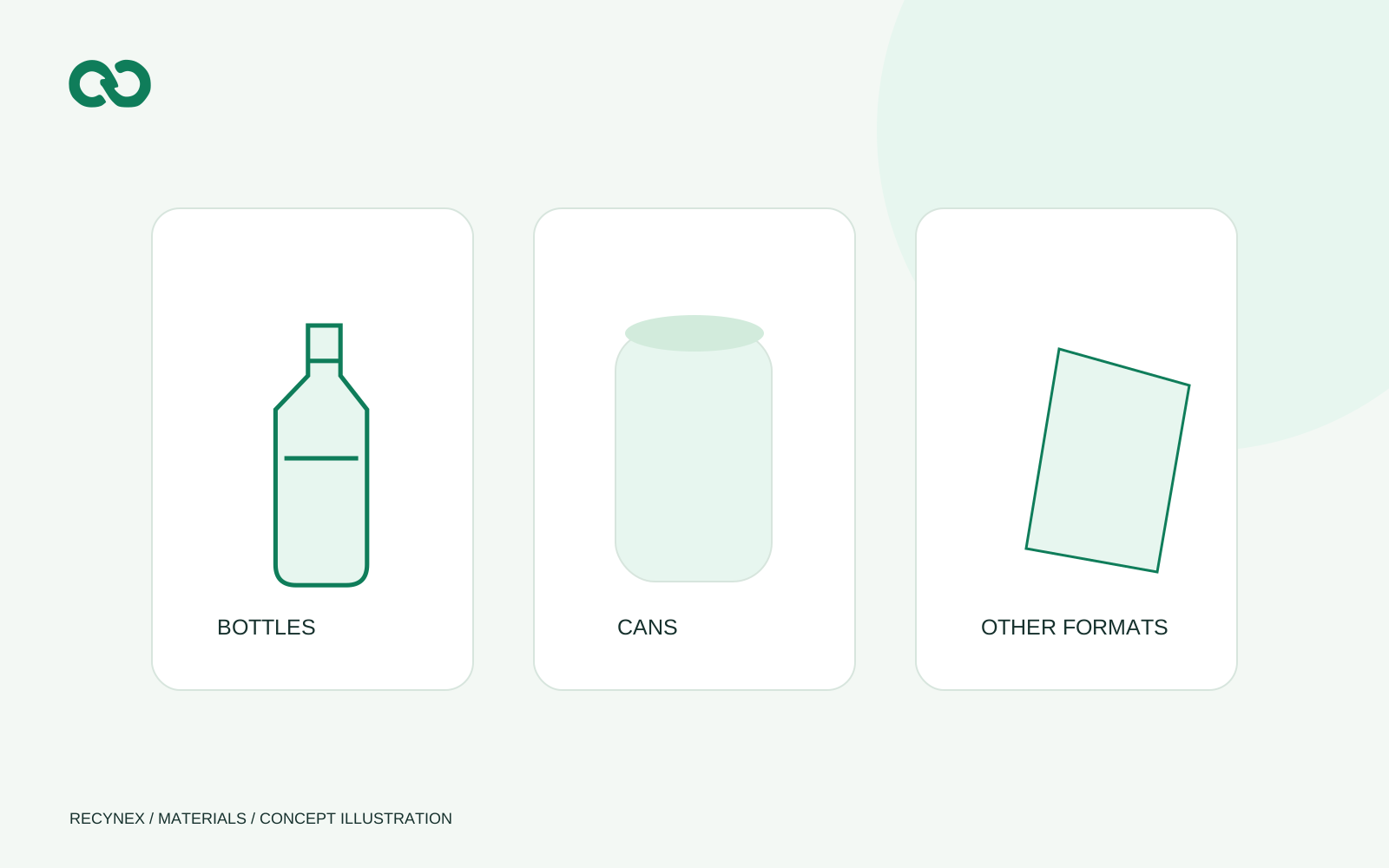
PepsiCo describes a three-part packaging approach: reducing packaging, supporting recycling and exploring alternative delivery models. Its portfolio discussion covers different packaging formats, rather than one uniform material stream.
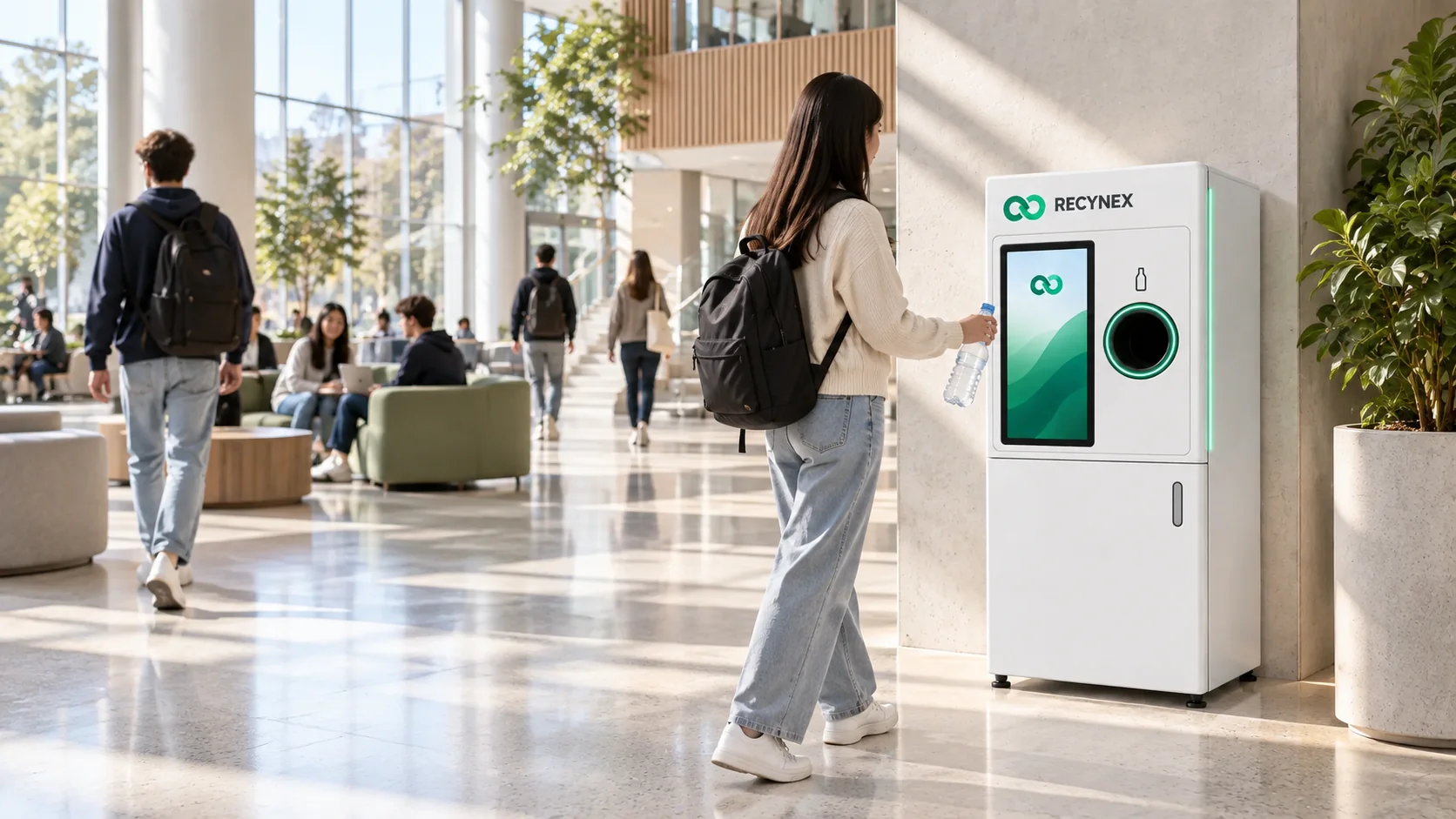
A bottle-and-can return point does not automatically address snack films, cartons or reusable cups. Start a qualification worksheet with one row for each proposed format. Record its intended route, residual-content expectations, mechanical fit and the party that accepts the resulting material. Unqualified formats should have an explicit alternative route.
A recognition result only helps when the participant understands the next step. Test the accepted-item graphic, rejection message and physical return route together. Use the same names in the screen, the site signage and the public FAQ. Do not let a campaign label override the engineering acceptance list.
Report accepted formats, rejection reasons, service interventions and handovers separately. A total return count is useful but does not explain compatibility or collection quality. Keep any recycling outcome dependent on downstream documentation rather than inferring it from a successful screen animation.
A multi-format portfolio may call for more than one collection route. Decide whether the project targets a named beverage SKU set, a material stream or a venue-wide return programme. Then write an inclusion list, clear public instructions and a rejected-item process for that exact boundary. A general sustainability statement cannot replace this local operating rule.
In a venue, visitors do not sort according to the supplier’s product categories before approaching a return point. Give testers a realistic mix of beverage containers and out-of-scope packaging. Watch where the rejected items go, whether the screen gives a useful next step and whether staff need to intervene. This reveals a practical problem a clean single-format trial may miss: an accurate machine rejection can still leave contamination beside the station.
If a programme wants to include new materials later, treat each as a new handling and downstream question. A software rule may change eligibility, but it cannot make an unqualified mechanical path or receiver accept a material. Keep the equipment configuration, collection route and public wording aligned at every expansion.
This analysis uses public company material; it is not a PepsiCo project announcement. Review packaging-stream selection or discuss your programme boundary.
A packaging portfolio is not an equipment compatibility list. Separate formats, residues and downstream requirements.
Reviewed Read moreUnderstand the different rules, evidence and reconciliation needs behind a deposit refund, a brand-funded reward and a return point with no incentive.
Read morePlan a campus bottle-and-can return point around student journeys, catering packaging, term-time peaks, facilities ownership and accountable collection.
Read moreShare the location, container stream, operating team and systems already in place.