Practical guide
The site survey that makes a return project easier
A practical walk-through of location, access, utilities and daily operation before equipment configuration.
Reviewed Read moreSet sample, site, event and operator acceptance criteria before committing to a wider equipment order.
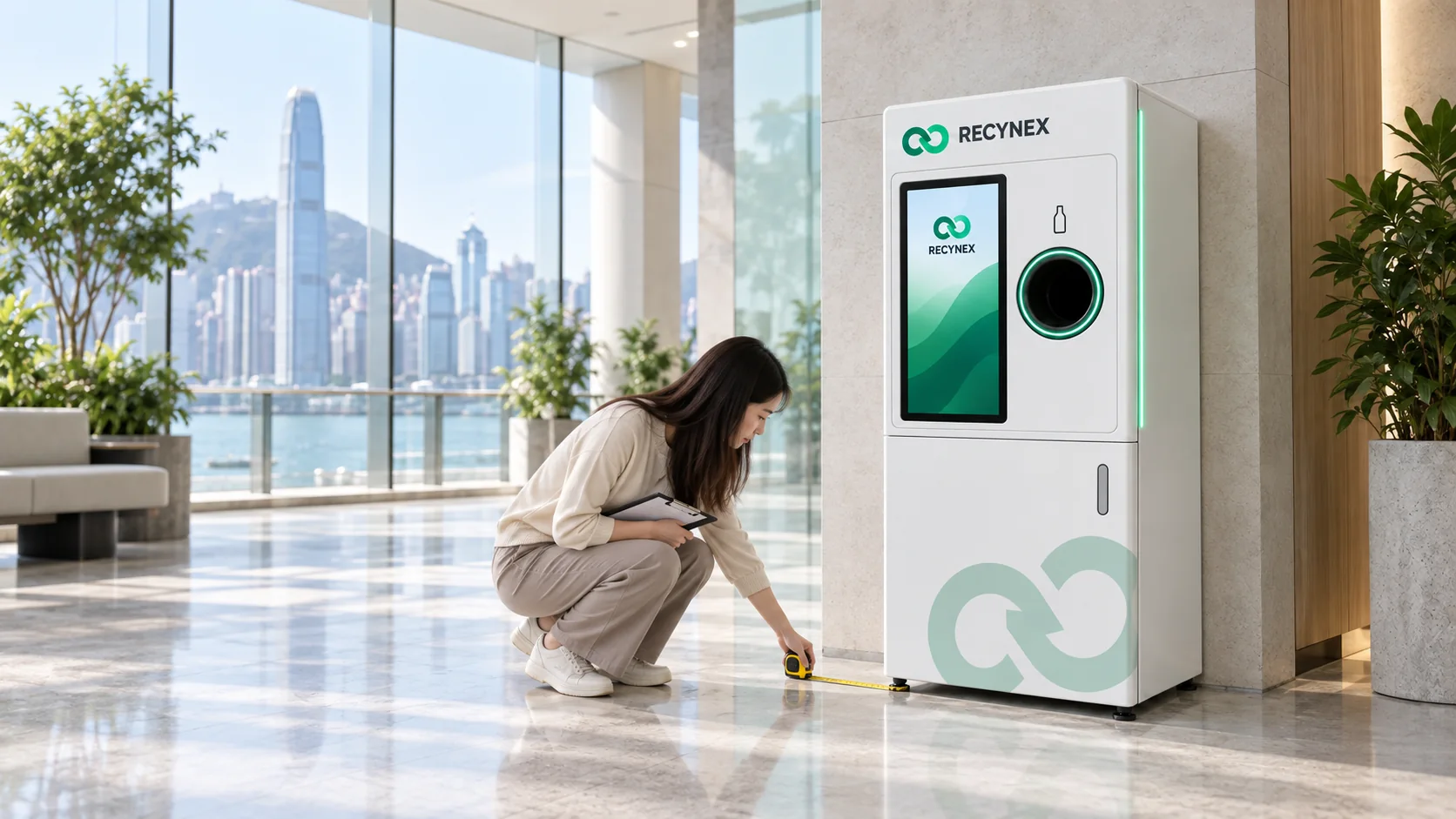
A pilot should reduce a buying risk, not just produce photographs of a machine in a lobby. Write down the questions that would change the order: which containers pass, whether staff can run the point, how data recovers and whether the collection partner can take the material.
Record the exact equipment configuration, location, packaging-list version, software modules, interface endpoints and responsible people. Agree the pilot period and a method for logging changes. If a new container is introduced halfway through, treat it as a qualification change rather than quietly adding it to the original result.
| Acceptance area | Evidence to collect | Who signs off |
|---|---|---|
| Packaging | Sample IDs, tested conditions, accepted and rejected outcomes | Packaging and equipment leads |
| Site | Clearance, utilities, user route and service access | Facilities and installer |
| Operation | Cleaning, full-container change and fault response | Site operator |
| Integration | Online, offline, duplicate and delayed-event tests | Both system owners |
| Handover | Training record, collection route and open issues | Customer project lead |
Use realistic peak periods, partly damaged labels, a full collection container and a controlled network interruption where relevant. Observe how long staff spend on a task, but do not turn an unrepresentative trial into a public performance claim. Record test conditions with every numerical result.
Close the pilot with one of three outcomes: the configuration is accepted for the specified site group; it needs a bounded change and retest; or the project should stop because a requirement cannot be met. Attach outstanding risks, owners and dates. The scale-up order should reference the accepted configuration rather than a model name alone.
After the formal tests, ask staff who watched the return point during real opening hours what they had to explain, clean or work around. Compare those observations with the event record and the planned responsibilities. A pilot can meet a technical acceptance script while still creating an impractical queue or a collection task nobody owns. Record that finding before the project team calls the site ready for a wider rollout.
Acceptance at one specified location proves that configuration under the recorded conditions. It does not establish a general throughput, environmental rating or recycling outcome for every future site. State the tested container mix, operating period, exception handling and any unresolved conditions next to the decision. When the next location differs, identify which parts of the evidence can be reused and which need another site check.
Send your site, sample and system information when you scope a RECYNEX pilot. Start with the site survey and packaging qualification table.
A practical walk-through of location, access, utilities and daily operation before equipment configuration.
Reviewed Read moreTurn one validated return point into a repeatable network plan for equipment, collection, software and service.
Reviewed Read moreBuild an RVM request for proposal that compares tested packaging, site fit, software, service, acceptance and commercial exclusions on the same basis.
Read moreShare the location, container stream, operating team and systems already in place.