Practical guide
How to verify an RVM acceptance list update
Roll out new packaging rules in stages and track which reverse vending machines applied the new list and passed a return check.
Read moreCompare the time left before a reverse vending machine stops accepting containers with the time staff need to respond and exchange the bin.
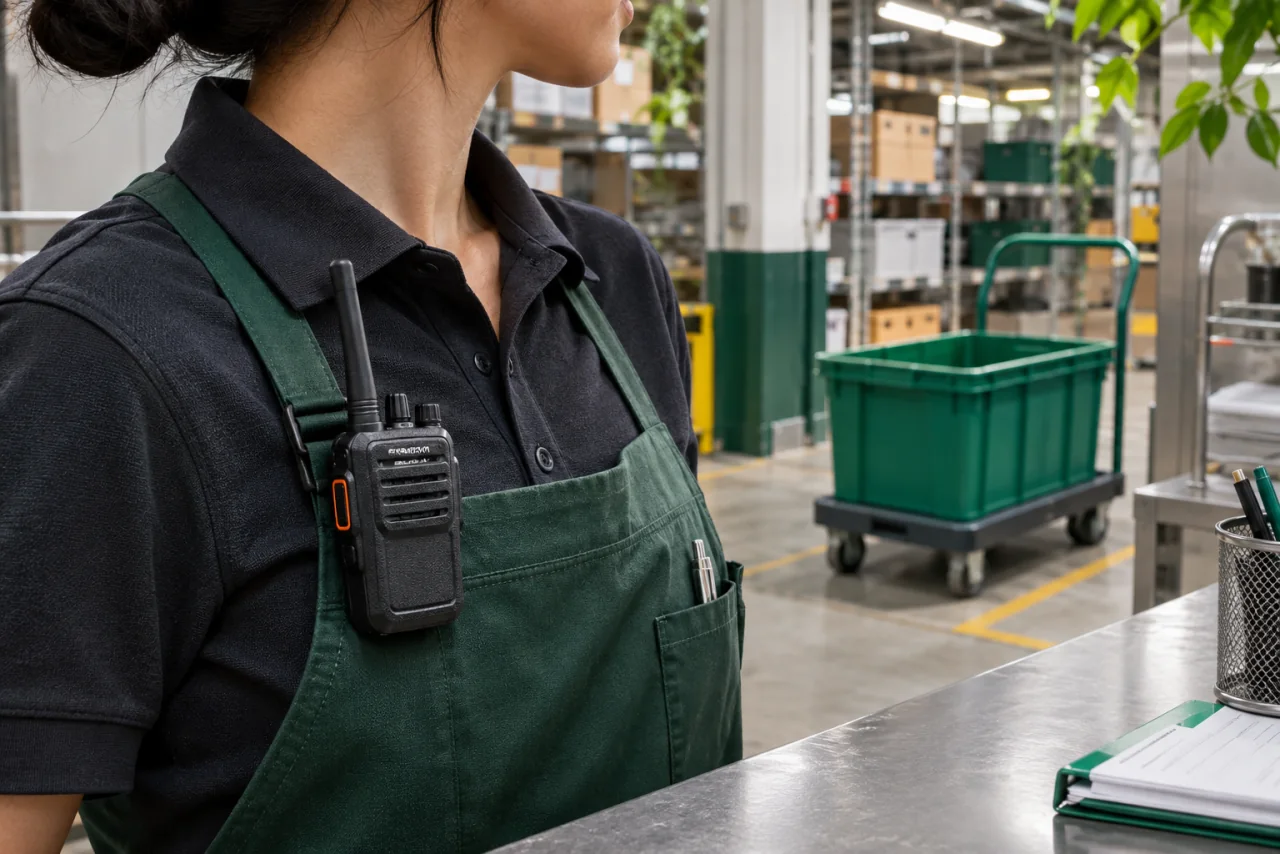
An early bin alert gives staff time to reach a reverse vending machine (RVM) and complete the approved bin exchange before returns stop. To check whether the alert arrives early enough, compare the usable time between the warning and the full state with the time it takes an operator to respond. Measure both during a busy period and leave time for delays.
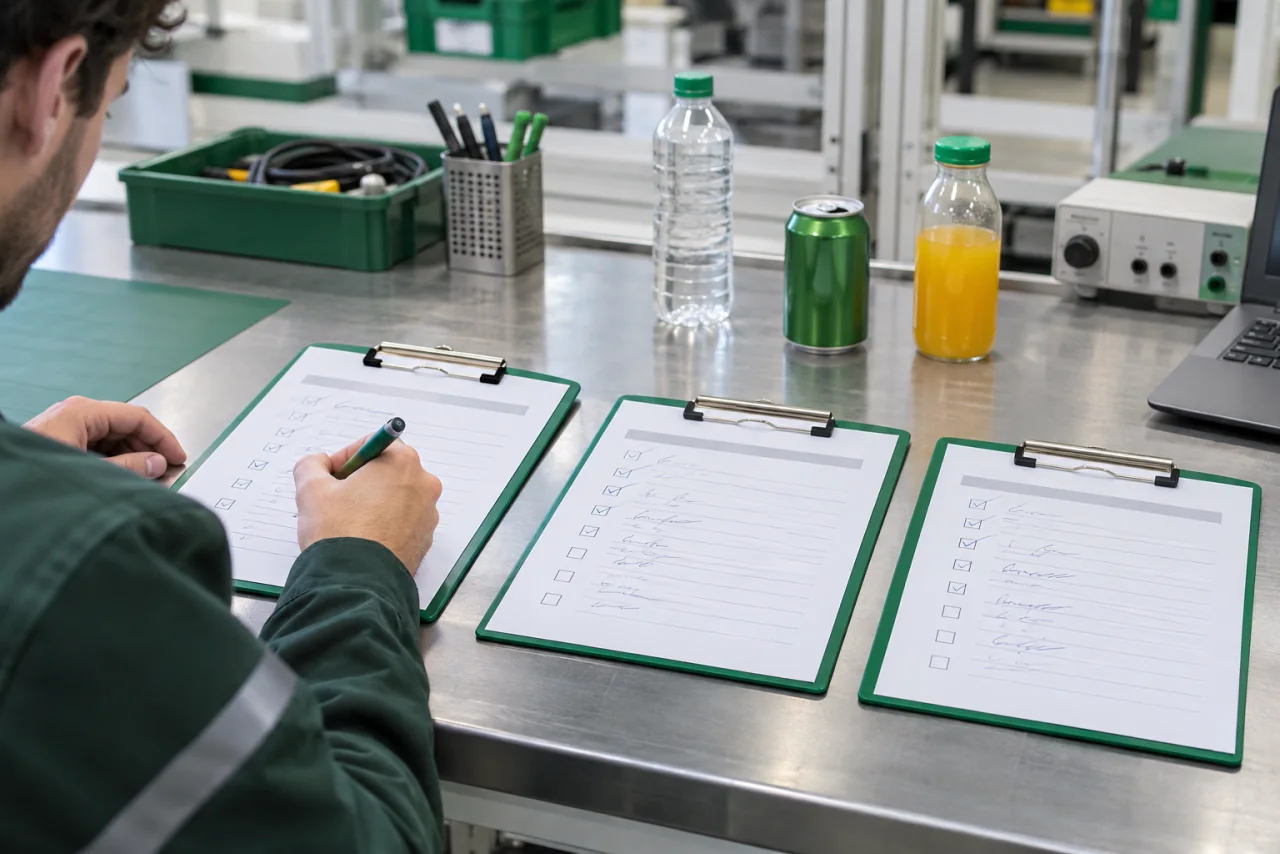
Record when the machine reports the warning, when the operator receives it, when they reach the machine and when returns resume. Acknowledgement is useful for assigning work. The time when service resumes shows whether the team completed the exchange. Keep the machine and material stream on each record so a can bin alert can be traced separately from a bottle bin alert.
Estimate the warning-to-full interval from approved pilot observations or a supplier-supervised test. Include the mix of returns and bin configuration. TOMRA’s B5 Mix documentation, for example, cautions that storage capacity varies with the containers and system configuration. Check the equipment used at your site before applying a threshold from another location.
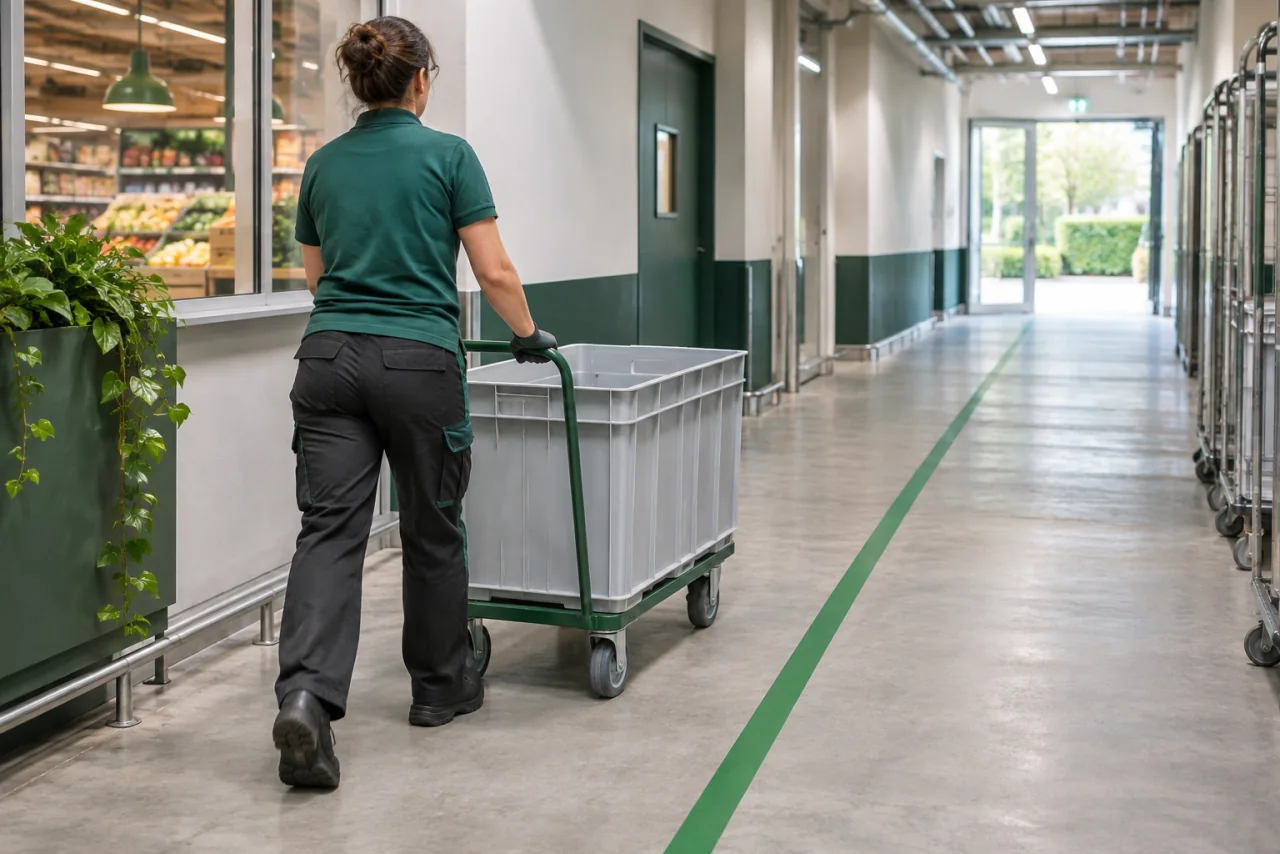
Suppose a busy-period test shows 18 minutes between the warning and the full state. The shift team measures the following response steps in a separate drill under comparable conditions.
| Step | Example time |
|---|---|
| Deliver the warning to the operator | 2 minutes |
| Reach the machine with the replacement bin | 8 minutes |
| Exchange the bin and confirm service | 5 minutes |
| Total response time | 15 minutes |
That leaves three minutes in this example. If a busy shift adds four minutes to the response, the exchange can finish after returns have stopped. Repeat both measurements across relevant shifts and container mixes before deciding whether the buffer is sufficient.
Check where the time is spent. Slow notification delivery calls for a review of the alert route. If staff lose time finding an empty bin, agree where a spare can be staged. If the warning itself comes too late, check which earlier warnings the installed configuration supports, or schedule a check before the busiest period. Use the approved settings and service procedure for the equipment.
Add the chosen response owner, escalation point and review date to the shift instructions. Use the collection frequency guide to plan the wider pickup schedule and the material stream availability guide to record the effect of a full bin on individual streams.
Roll out new packaging rules in stages and track which reverse vending machines applied the new list and passed a return check.
Read moreUse an operator checklist to confirm machine readiness and reconcile any return session interrupted by a power outage.
Read moreTrack when a reverse vending machine can accept bottles and cans separately, with a worked example and a simple shift log.
Read moreTell us what you need to return and where. We can help define the remaining details.
May we use Google Analytics to understand which pages help visitors? Your choice does not affect enquiries. You can change it at any time using Analytics preferences. Privacy notice