Practical guide
Outdoor Reverse Vending Machine Site Planning
Assess weather exposure, utilities, user approach, security and service access before specifying an outdoor bottle and can return point.
Read moreA planning checklist covering the user approach, service clearance, power, network and collection handover.
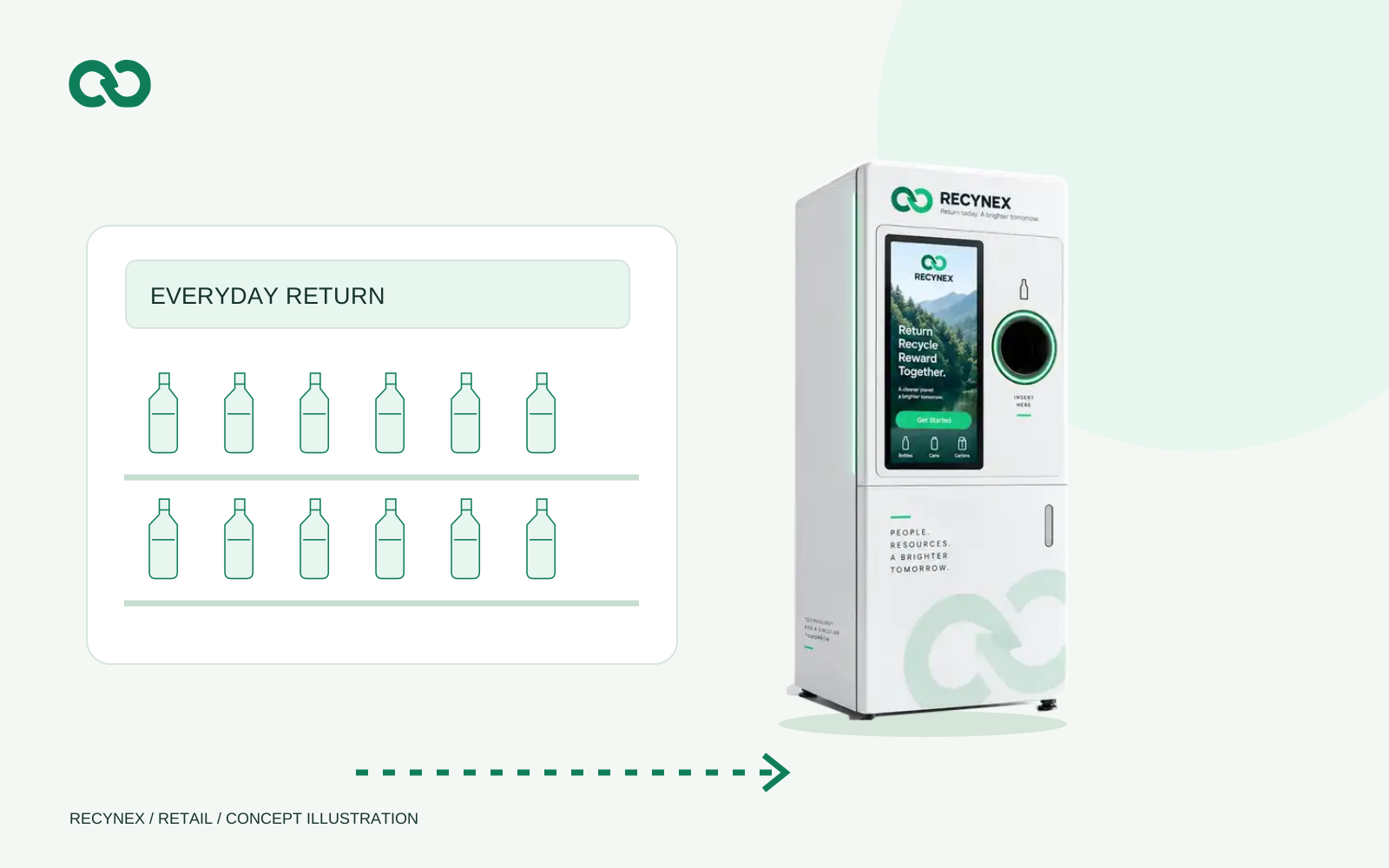
Start with a plan of the space, not a product photograph. Draw the participant route and the collection route in different lines. Mark the waiting area, the door swing and a route for removing a full container. Measure the actual space and attach photographs. Never substitute the visual width of a concept rendering for an approved engineering drawing.
Ask the responsible installer to confirm electrical requirements for the selected configuration. Record available network access and the owner of connectivity. Discuss how the user interface and the event queue should behave if communication is interrupted. Leave technical installation and electrical work to qualified personnel following the approved product instructions.
A cabinet without an owner becomes an exception waiting to happen. Assign cleaning, inspection, collection, escalation and downstream handover roles. Use named roles rather than personal data in the initial worksheet. Agree when those roles transfer from project delivery to routine operation.
The survey should end with a placement drawing, unresolved constraints, owners and a review date. Separate confirmed observations from assumptions. Download the site-survey worksheet in Resources and attach the approved equipment drawing once it is available.
The final placement check needs the approved cabinet drawing, service-door clearance, electrical requirement and any fixing or environmental condition for that specific configuration. Walk the removal route with the actual type of collection container. Record constraints that require building approval, and keep the decision owner visible until each is resolved.
Visit when the surrounding area is used as intended. A quiet corridor can become a delivery route, a waiting area or a cleaning zone later in the day. Ask the site owner to identify emergency circulation and any landlord restrictions. Mark where a visitor might wait after a rejection and where staff would stand while servicing the unit. A machine that fits on a drawing can still be poorly placed for daily use.
Before the project orders equipment, hold a brief review with facilities, operations and the intended collector. Use the same marked plan so that everyone agrees on power, access, opening hours and material removal. Keep unresolved questions as named actions, then update the plan when they are answered. That record is the bridge between a promising location and an installable one.
Use the site-survey worksheet for a consistent record. If you are planning several locations, the multi-site rollout guide explains how to turn one accepted site pack into a repeatable process.
Assess weather exposure, utilities, user approach, security and service access before specifying an outdoor bottle and can return point.
Read moreA practical daily, event-driven and service handover checklist for RVM operators, with clear ownership and records rather than assumed service intervals.
Read moreTurn one validated return point into a repeatable network plan for equipment, collection, software and service.
Reviewed Read moreShare the location, container stream, operating team and systems already in place.