Practical guide
Reverse Vending Machines for Apartment Buildings
A practical guide to planning a residential bottle-and-can return point around shared-space access, resident instructions, collection and building management.
Read moreA reading of public packaging priorities, followed by a practical checklist for return-point projects.
Independent reading of public company information. This is not a customer case study, endorsement or partnership announcement.
The Coca-Cola Company describes packaging design and collection partnerships as connected parts of its approach. Its packaging page discusses recycled material, collection infrastructure and refillable formats. These are the company’s stated priorities, not RECYNEX results.
For a proposed return point, record the accepted container list before choosing the cabinet. Identify whether the goal is a general material stream, a defined campaign or a deposit-system interface. Those projects need different eligibility rules and different evidence. A visible brand should not silently become an acceptance rule.
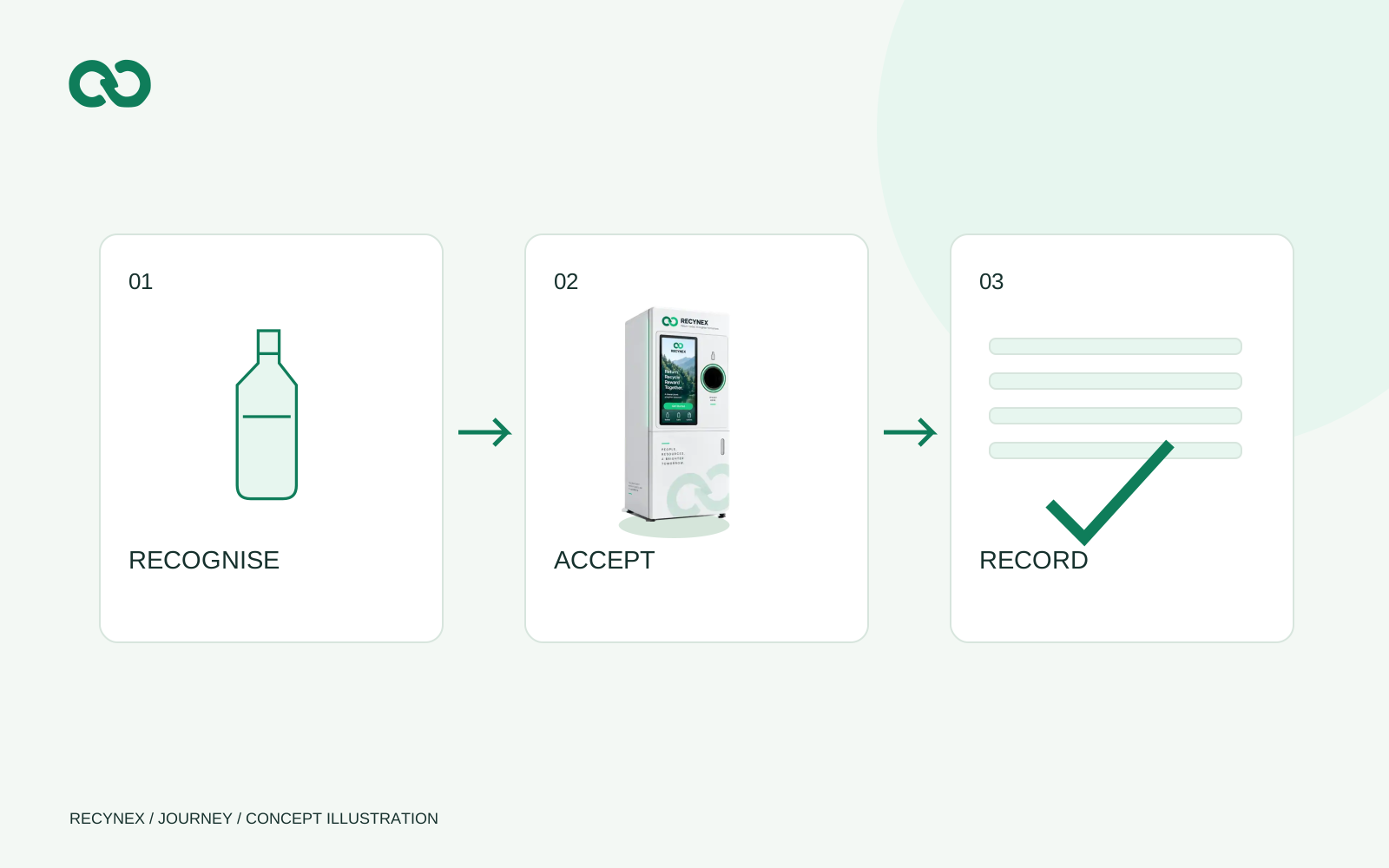
A return event is one record; a collection round is another. Define how accepted items move into a collection container, how the operator identifies that container and which downstream partner acknowledges receipt. Keep the machine count separate from verified processing outcomes. This avoids making the public-facing dashboard promise more than the evidence supports.
Prepare a sample list, placement drawing, named collection owner and event-to-handover reconciliation plan. Decide in advance how a rejected item, a full container and an offline interval will be explained to participants. Review that plan with the site and the downstream operator, not only with the equipment team.
A brand’s packaging ambition does not establish an equipment compatibility list or a RECYNEX customer relationship. For any proposed return project, separate three questions: which specific formats pass the machine, who takes possession of the collected material, and what downstream evidence supports a public statement. A project can answer the first without yet proving the third.
If a proposed programme includes refillables, ask whether containers must remain intact, how they are identified and where they are sent after collection. That is a different handling question from gathering one-way bottles for material processing. A project team should not use the same acceptance and reporting language for both routes merely because the items share a brand. The receiving partner’s requirements and the approved scheme rules should lead the equipment test.
For a retailer or venue, the practical questions are equally specific: where will people queue with several containers, who exchanges full storage and what does a rejected visitor do with the item? A visible brand campaign can attract attention, but the return point still succeeds or fails through those ordinary site tasks. Put those tasks beside the packaging list before selecting hardware or writing a public promise.
If you are designing a beverage-container programme, start with the packaging stream and discuss a qualified project with real samples and a named collection partner.
A practical guide to planning a residential bottle-and-can return point around shared-space access, resident instructions, collection and building management.
Read morePlan a campus bottle-and-can return point around student journeys, catering packaging, term-time peaks, facilities ownership and accountable collection.
Read moreA practical starting point for connecting return equipment to an operator system.
Reviewed Read moreShare the location, container stream, operating team and systems already in place.