Practical guide
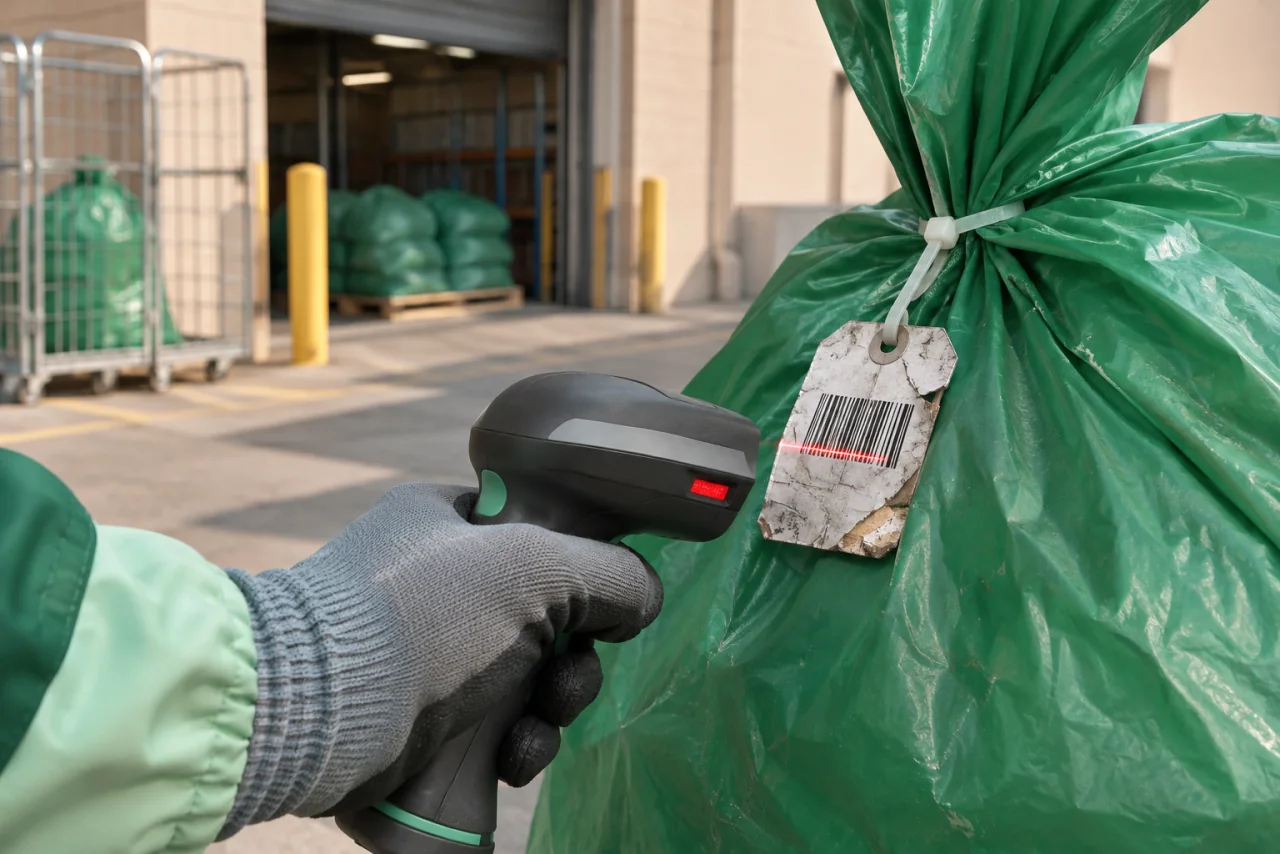
What to do when an RVM collection bag will not scan
Record which bags the collector actually took, preserve the original bag reference, and resolve failed scans against the collection receipt.
Read moreRun a collection handover drill to check whether staff can catch a mismatched tote seal and trace the correct tote from packing to receipt.
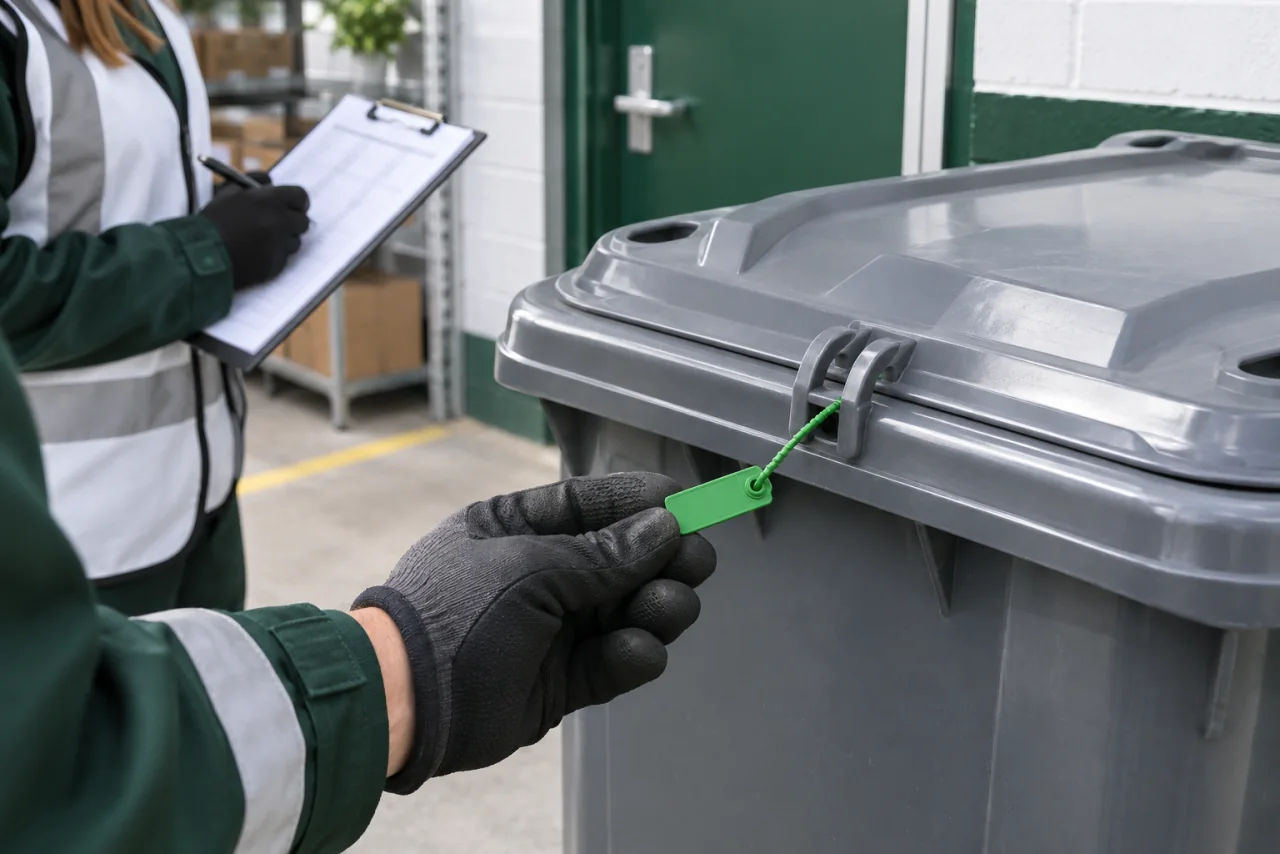
If a reverse vending machine (RVM) pilot uses numbered seals on collection totes, test whether the handover team can detect a seal that belongs to a different tote. Give the team two practice totes with legible identifiers and intact seals. A mismatch should remain visible in the collection record before the receiving team confirms what arrived.
GS1 treats packing, shipping and receiving as separate steps where traceability data can be recorded. The drill below applies that principle to a pilot handover. Use the identifiers, seal type and decision authority agreed with your collection partner.
Record the tote ID, seal ID, material stream, location, closing time and person or team responsible. Link this record to the pickup reference. A reusable tote can appear at many collections, so include the specific closure or pickup reference when looking up the seal.
Set up one control tote that matches its record. For the second tote, add a deliberate mismatch to a practice manifest. Use a training record and keep the drill out of live collection and settlement totals. Tell the team which escalation channel to use, while leaving them to find the discrepancy during the check.
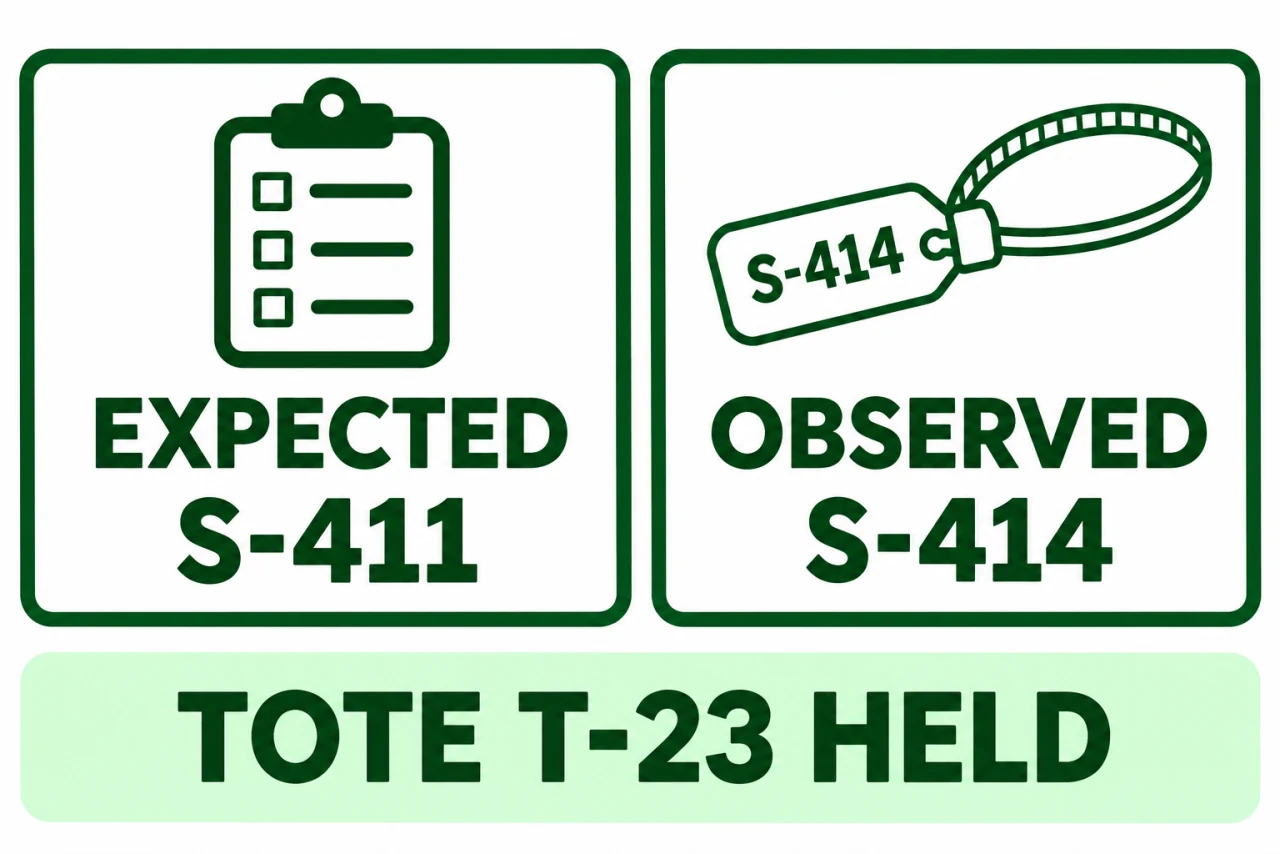
In this example, the manifest expects seal S-411 on tote T-23. The seal attached to the closed tote reads S-414. The collector confirms the tote ID and records both seal values. The site keeps T-23 in its agreed holding area while the owner of the packing record checks the discrepancy. The control tote can proceed separately if the pilot procedure allows it.
| Checkpoint | Evidence from the drill |
|---|---|
| Packing record | Tote ID, expected seal and original closing entry |
| Dispatch exception | Observed seal, pickup reference, hold location and the person assigned to review it |
| Authorized resolution | Original entry retained, with a linked correction or documented disposition |
| Receiving check | A receipt linked to the tote and the confirmed seal if the tote is later released |
Ask someone who did not run the drill to start with the receipt for the control tote and find its packing entry. Then ask them to start with T-23 and find the mismatch, who owned it, and whether the tote is still on site or has an authorized release. The drill passes when both paths are traceable and the first pickup total reflects the totes that actually left. Repeat the drill after a shift change if a different team will have to resolve an open exception.
Use the collection handover guide to agree routine records with your collector. Use the pilot evaluation guide to decide what other evidence to collect before accepting the operating process.
Record which bags the collector actually took, preserve the original bag reference, and resolve failed scans against the collection receipt.
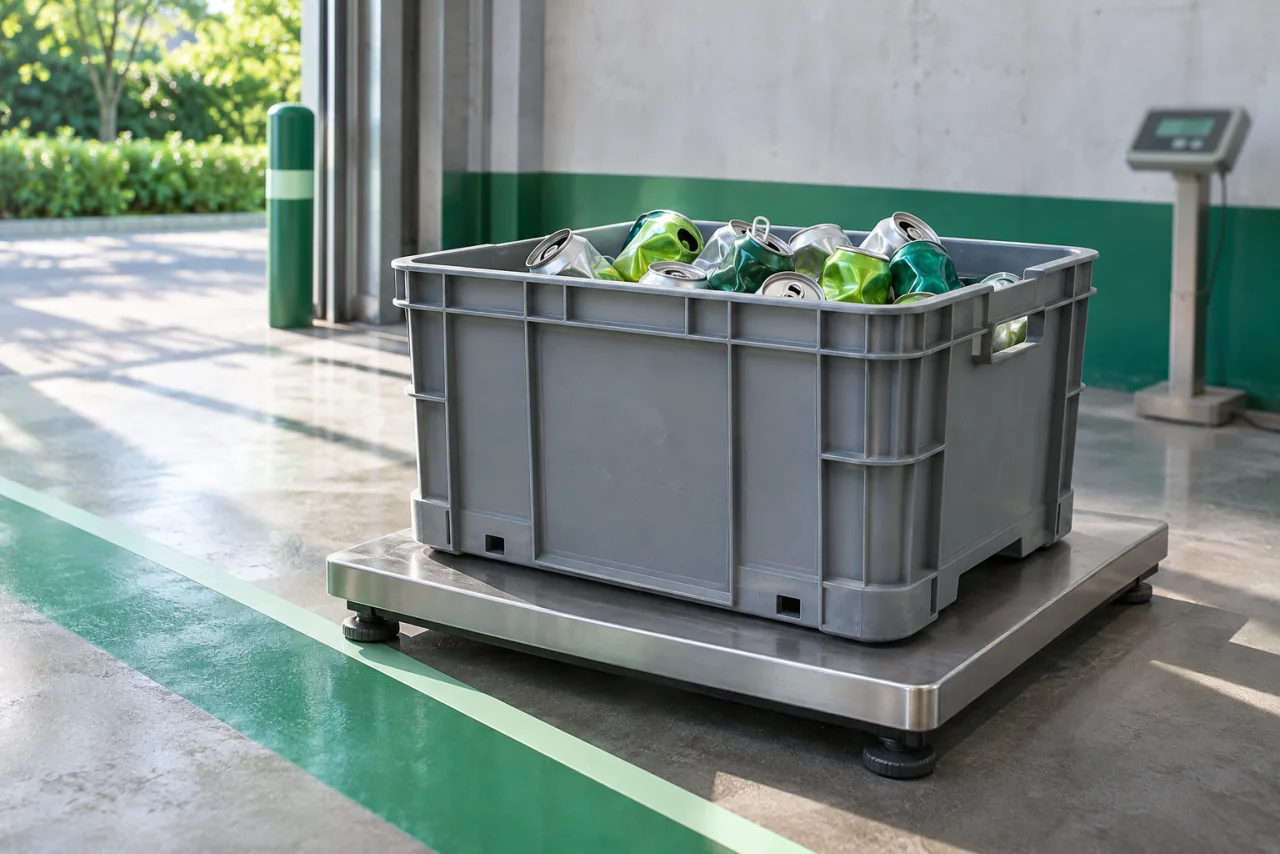
Read moreUse gross, tare and net weight to record an RVM collection batch and check it against the receiver's ticket.
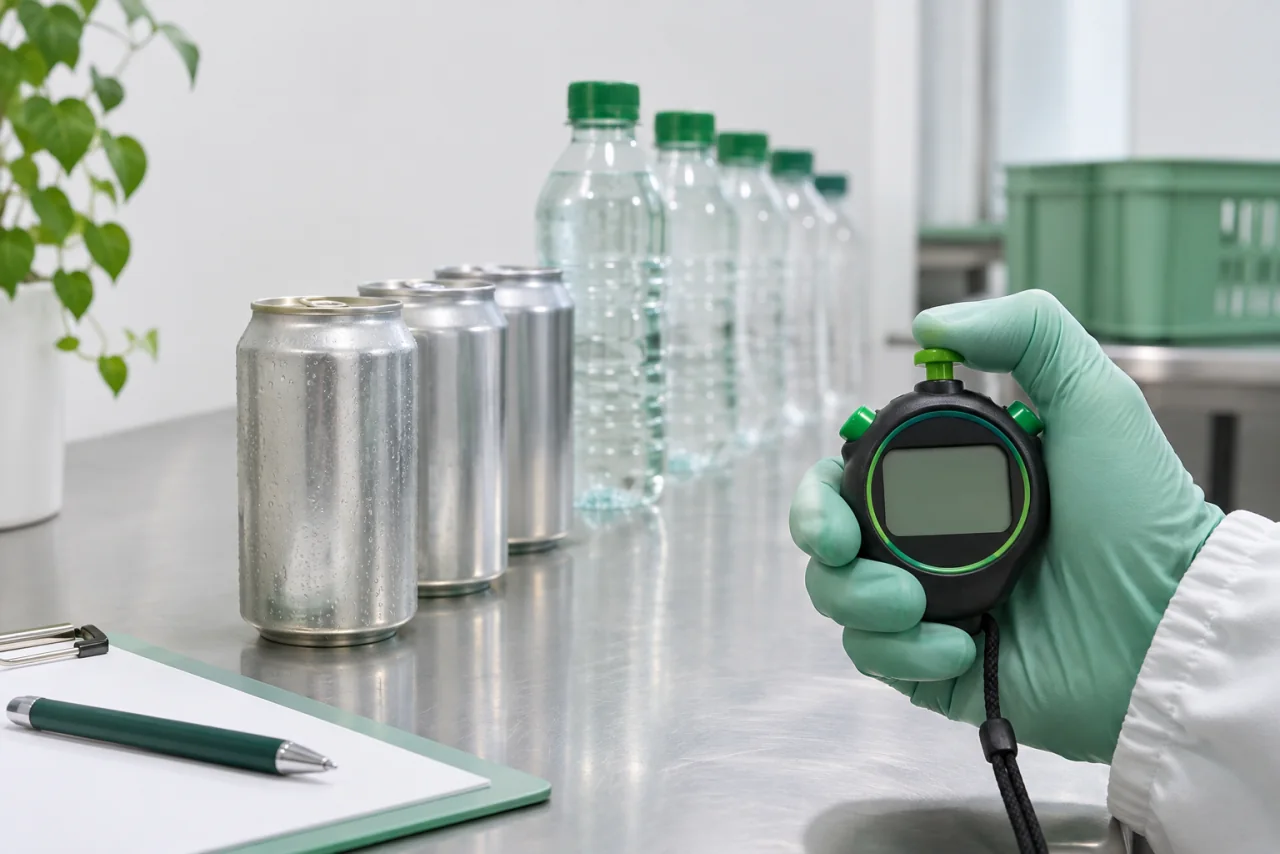
Read moreCompare reverse vending machines using the same container batch and two timers, one for intake and one for the complete return session.
Read moreTell us what you need to return and where. We can help define the remaining details.
May we use Google Analytics to understand which pages help visitors? Your choice does not affect enquiries. You can change it at any time using Analytics preferences. Privacy notice